The Future of Maritime Defence in an Uncrewed Era
Add bookmark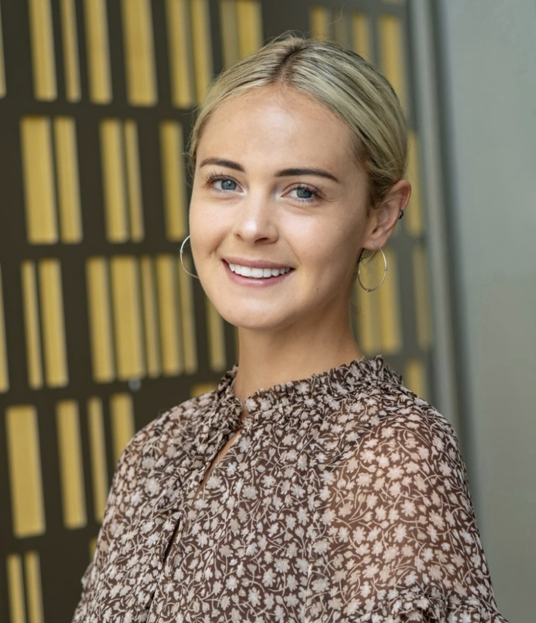
Uncrewed naval systems are no longer a concept of the future - they are rapidly becoming central to modern maritime capability. As defence strategies shift toward data integration, AI technology, and autonomous platforms, navies worldwide are focusing on the development of USVs, UUVs, and UAVs to enhance intelligence, surveillance and reconnaissance (ISR), mine countermeasures (MCM), anti-submarine warfare (ASW), deep-sea operations, and search and rescue (SAR) missions.
The upcoming Uncrewed Naval Systems conference will bring together military leaders, industry experts, and innovators to explore these future requirements, identify capability gaps, and support the next generation of maritime operations.
Ahead of last year's event, Joanne Swann spoke with Jürgen Scraback, Head of Unit Maritime Domain at the European Defence Agency, to hear his expert perspective on the challenges and opportunities that lie ahead.
1. Let's start with the broader picture: how would you characterise the current maritime threat landscape, and how do you see it evolving over the next five to ten years?
Thank you for the question. It's a very relevant and thought-provoking one. We are currently witnessing a convergence of traditional and modern maritime challenges. The theatre is increasingly defined by conventional assets that are being upgraded into state-of-the-art platforms, complemented by the emergence of new systems and advanced technologies.
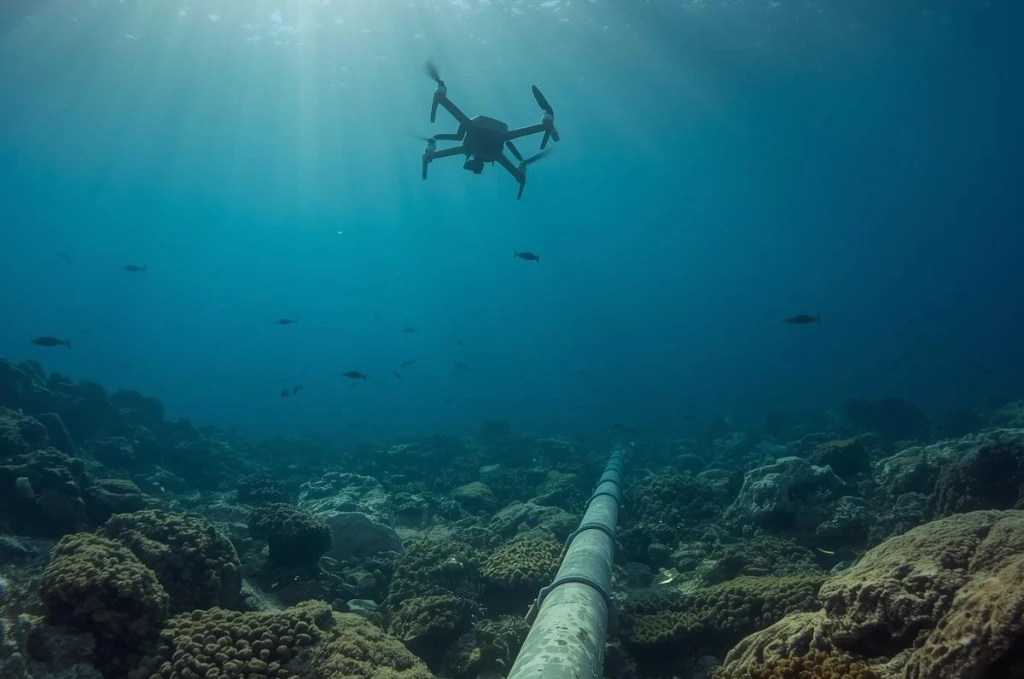
One key area gaining prominence is seabed warfare. For maritime professionals, this has always been a focus, but we are now seeing a broader awareness across the defence community. Seabed warfare is emerging as a central concern, and I expect it to remain a strategic priority over the next five to ten years.
That said, we must fundamentally shift how we think, act, and operate. Mentally, many of us are still anchored in an outdated paradigm. But the rise of uncrewed systems is pushing us toward a new era - one that demands a different mindset and operational approach. These systems are not just substitutes for crewed platforms; they require us to rethink warfare altogether. Here at the European Defence Agency, we are working closely with Member States to develop new concepts of operations to reflect this shift.
2. Where do uncrewed naval systems fit into this evolving picture - are they a complementary asset or becoming central to future naval operations?
At present, uncrewed systems are generally seen as complementary to conventional platforms. However, I believe this will change significantly in the coming decades. These systems are already being used for high-risk missions and to enhance surveillance capabilities. They also help free up skilled personnel for strategic planning and command roles.
Looking ahead, we need to go beyond viewing uncrewed systems as simple replacements. Instead, we must increasingly exploit the unique advantages they offer. This evolution calls for a transformation in how we conceptualise naval warfare.
3. From a regulatory standpoint, what developments are most urgently needed to keep pace with the rapid advancement of uncrewed maritime systems? Do you see the EDA playing a central role in this?
Yes, absolutely. Regulatory advancement is a topic we discuss frequently within our communities. Last year, for instance, we hosted the ASKO Conference (Autonomous Systems Community of Interest), which was organised by our Research, Technology and Innovation Directorate. It addressed many of the critical regulatory challenges we're now facing.
Within my directorate - Capability, Armament, and Planning - we focus on aggregating demand for joint European procurement and capability development. We are running initiatives centred on sensing and testing for uncrewed naval systems, and we work closely with Member States to support experimentation, particularly through the REP(MUS) exercises in Portugal, which we co-organise.
Our goal is to take a leading role in shaping standards and standardisation. If we don't take that initiative, others will impose standards on us. We want to be part of defining the rules of the game.
4. Interoperability is crucial in joint missions - what are the biggest barriers to aligning uncrewed systems across allied navies, and how might we overcome them?
Interoperability - and more broadly, interchangeability - is essential. To achieve it, we must apply common standards and maintain open dialogue. Just last week, we held a workshop focused on launch and recovery systems for uncrewed platforms, which highlighted the pressing need to harmonise these standards.
By doing so, we can pave the way for uncrewed systems to be shared and operated more flexibly between allied navies. The aim is to avoid working in stovepipes and instead pool our resources to achieve collective goals. The EDA actively supports this effort through ongoing collaboration with our stakeholders.
5. How do you foresee legal and ethical frameworks evolving to support decision-making in autonomous maritime systems? Can we truly program accountability into machines?
The legal and ethical dimensions of autonomous systems are absolutely essential. We began addressing these seriously during last year's REP(MUS) exercise, where we explored legal and ethical considerations in depth.
Our priority is to embed ethical principles and international humanitarian law into the design, deployment, and operation of autonomous maritime systems. As we continue to develop interoperable standards in collaboration with international partners and allies, transparency and oversight must be at the forefront.
Adaptability will also be critical to maintaining public trust. These systems must remain under accountable human supervision, even as they become more capable.
6. What would you say to attendees of the Uncrewed Naval Systems conference - what key challenges or opportunities should they focus on as they look to the future?
I would encourage attendees to embrace out-of-the-box thinking. Too often, industry continues to offer us very expensive, personnel-intensive uncrewed systems. These may perform well under peacetime conditions, but they are difficult to protect and sustain in wartime scenarios.
What we need is not ten highly complex and costly platforms, but thousands of simpler, comparably inexpensive systems - "inexpensive" in military terms, of course. These systems should be tailored to specific tasks, rather than trying to replicate all the functions of traditional platforms.
Ultimately, we must reduce the human footprint in naval operations. Across our navies, we are facing shortages in skilled personnel, and we cannot afford to continue relying on maintenance-heavy and resource-intensive systems. The future lies in scalable, efficient, and intelligent solutions.
Do you have any final thoughts?
Yes. The most important message I want to convey is this: we must rethink our approach. Traditional ways of thinking about naval warfare no longer serve us in a rapidly evolving landscape. We need to break free from old paradigms and explore the full potential of uncrewed systems.
At the EDA, we have already begun this transformation. By embracing innovation and collaboration, we can equip Europe's navies to meet the challenges of tomorrow.