How Surface Warships Are Evolving for the Drone Age
Add bookmark

Naval history is full of turning points. Some are real, some turn out to be false dawns. Over the past 150 years, there have been plenty of moments when navies found their ships and technology were completely outclassed by their enemies. In 1906, the Royal Navy's new Dreadnought battleships rendered every other warship in the world obsolete. When Imperial Japanese Navy aircraft struck the US naval base at Pearl Harbour in 1941 it heralded the era of the aircraft carrier. The launching of the first nuclear-powered submarine, the USS Nautilus, in 1954, allowed nuclear-tipped ballistic missiles to be based underwater, changing the nuclear balance of power.
The Cold War also brought many false dawns, with some senior naval commanders thinking that nuclear weapons would render all surface warships obsolete. Surface warships - frigates, destroyers and corvettes - however, proved their worth on countless occasions in the last half of the 20th century that no serious navy would now contemplate not having some of them in service.
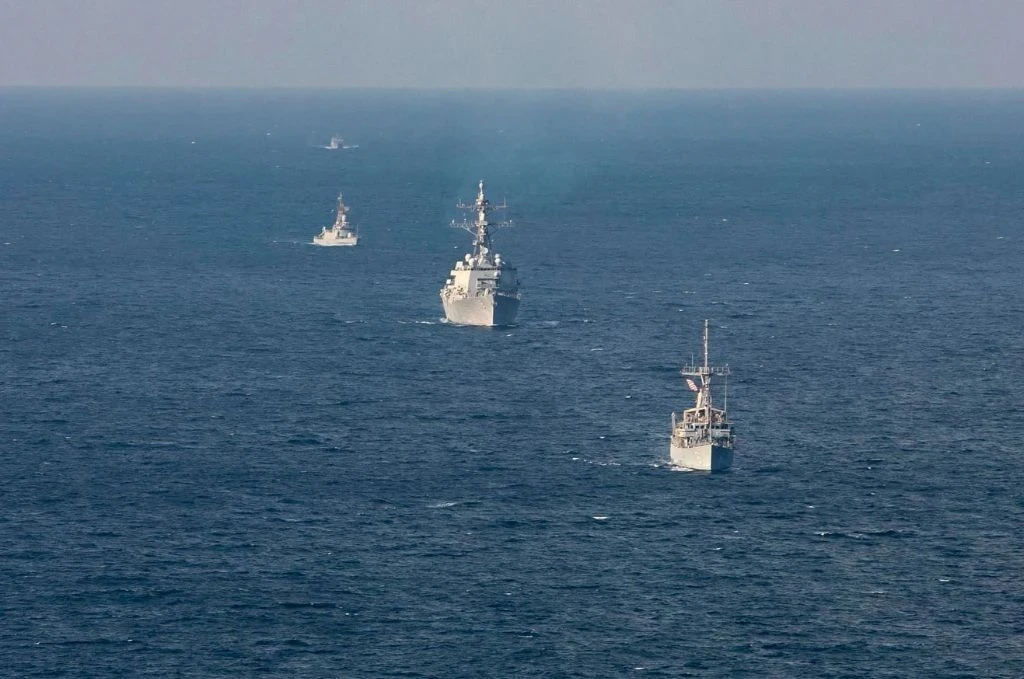
In the 21st century, the rationale for operating warships remains essentially the same. In peacetime or international crisis, nothing sends a political or diplomatic message like the arrival of a big warship in disputed waters or an ally's harbour. In wartime, it may still be necessary to dominate a sea zone with sensors and weapons.
The Drone Revolution and the Changing Maritime Threat
Critics of investment in large warships counter these arguments by saying frigates, destroyers and corvettes are now nothing more than targets. The sinking of the Russian cruiser RFS Moskva in the Black Sea in April 2022 and the subsequent success of Ukrainian uncrewed boats, universally dubbed surface drones, against Russian naval forces added to the feeling that the balance of power in naval warfare was shifting.
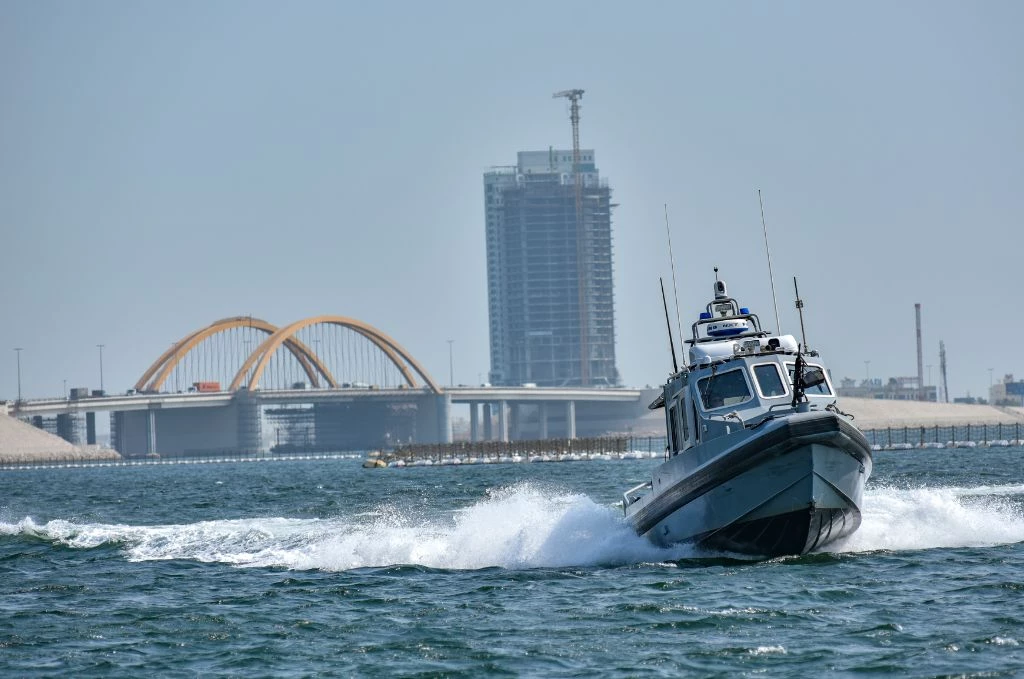
Then in 2023, Yemen's Houthi rebels unleashed drone boats packed with explosives against merchant ships in the Red Sea. US, British and allied warships sent to protect this vital trade route were soon on the receiving end of a barrage of aerial drones. In response to American and Israeli air strikes in the spring of 2026, the Iranians unleashed naval and aerial drones against merchant shipping to force the closure of the Strait of Hormuz. At a stroke, 20% of the world's oil supplies were cut. The threat of further massed Iranian drone strikes, combined with anti-ship missiles and undersea mines, kept US and allied navies at a safe distance from the Strait of Hormuz. This was a new development, which sent shock waves through the world's navies. So-called asymmetric naval power had shown its potential in a real war.
Many naval chiefs had long suspected that drones could well upend decades of naval thinking, but recent events showed that they would have to respond quickly. There was a need to field offensive drone forces to defeat the enemy, as well as building up better defensive capabilities, if the world's warship fleets were to remain relevant and credible. This imperative was combined with a need to curb the spiralling costs of modern warships and make them affordable in tough economic times. These trends have started to feed into new warship designs and the introduction of new technology to enhance their fighting power in the era of the drone.
Modular Warships and the Rise of the Drone Mothership
Naval chiefs have long talked about building modular warships that can be rapidly modified with new weapons, sensors or other equipment. These visions are starting to be realised with a new generation of warships being fielded that are 'plumbed and wired' to receive mission modules or pods based on commercial ISO containers. These ships have large decks and mission bays that receive the pods in a matter of hours, allowing a newly equipped warship to quickly return to sea. Options for the pods include towed array sonars, air defence missiles, mine hunting tech, field hospitals, air or naval drone systems, electronic warfare suites or personnel accommodation. This flexibility is essential to allow the rapid response to new enemy weapons or deployments to new operational theatres to face new threats.
The ability to rapidly insert new technology at minimal cost is at the heart of every new warship design around the world. Navies can no longer afford multi-year refits to add new weapons or the purchase of new hulls every decade.
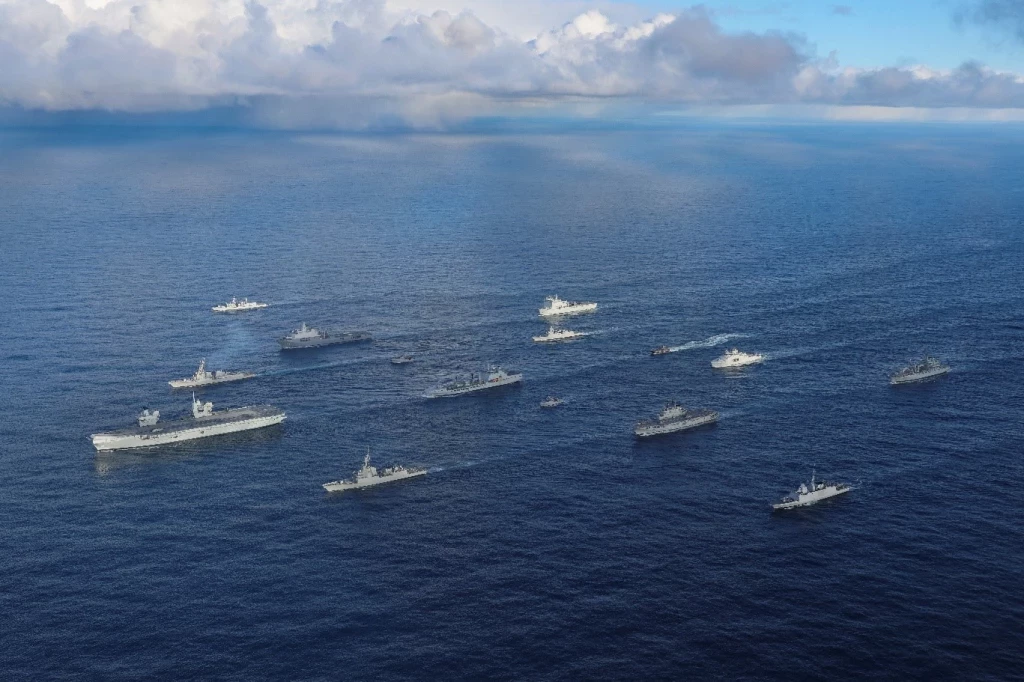
Drone enthusiasts have claimed that there is no longer a need for large and expensive warships. However, this is really only the case for coastal nations, like Ukraine or Iran, which only wish to deny their enemies the ability to operate close to their shores. For navies that have a global role, they still have to be able to transport their drone flotillas around the world to new theatres of war. These navies are looking to turn their warships into motherships for drone fleets used for strike, reconnaissance or mine counter-measures missions. The bigger the ship, the more drones can be carried and launched. These motherships also need the ability to quickly launch large numbers of naval drones via docks or ramps. Flight decks allow aerial drones to be launched around the clock. Internal hangar space is needed to maintain and prepare drones for launch. Some navies are looking to convert amphibious assault or dock ships to carry out this role. Other navies want frigates or destroyers to do this job because of their ability to defend themselves against surface and air threats.
There are now moves to design and build ships specifically to field new types of drones, rather than modify existing vessels. In June 2026, the British Royal Navy unveiled its new Common Combat Vessel concept, which is intended to be a specialist drone mothership.
Defending Surface Fleets Against Drone Swarms
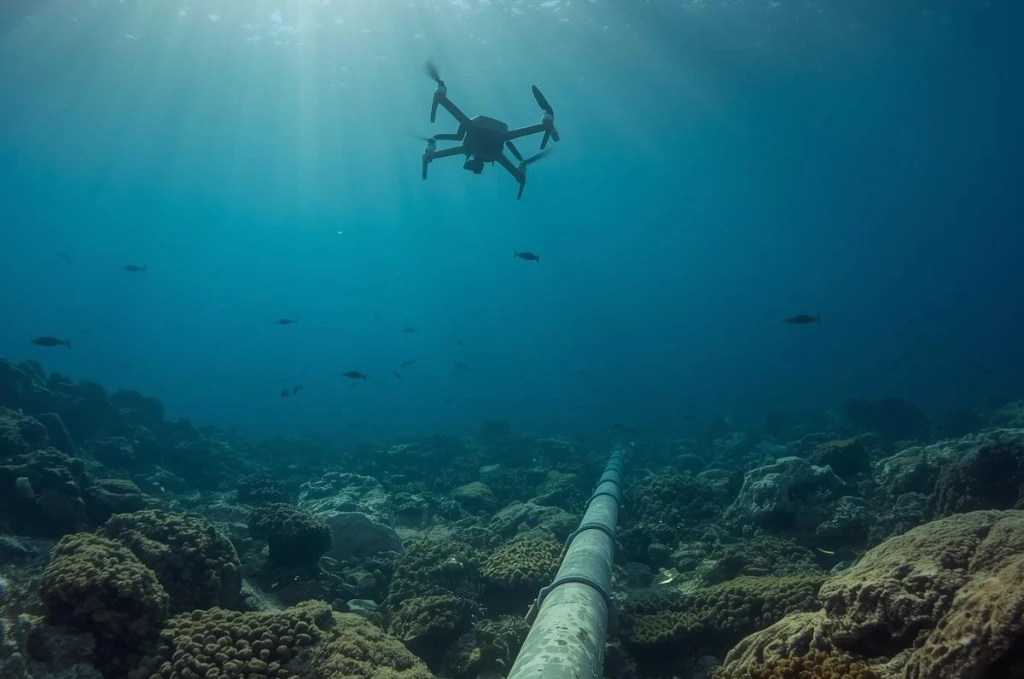
To defend against the enemy's drone forces, above, on and below the waves, navies are having to look again at how they equip their warships. Traditional guns, missiles, depth charges and torpedoes all have their place, but recent operational experience suggests that the amount of ammunition and missiles that warships carry will need to be dramatically more than they currently have in their magazines. To defeat an enemy drone swarm will require dozens or hundreds of weapons. This means the price of missiles must be reduced, so more can be ordered. 'Phalanx gun' style close-in weapon systems are 'a must have' item, along with plenty of ammo. Laser weapons must be in the mix because of their potential for unlimited engagements against threats. Increasingly, there is growing recognition that the best way to defeat an enemy drone swarm is with another drone swarm. Duelling drones is perhaps the next evolution of drone warfare.
Has another turning point in naval warfare arrived? Recent events in the Black Sea and Strait of Hormuz suggest that plenty has changed and navies must up their game to stay in the fight. Drones are proving unforgiving foes that have an unnerving way of finding their way past traditional defences. A new game of move and countermove is underway on the world's oceans.