What is Project DECODER? Europe's New Drone and Counter-Drone Defence Programme
Add bookmark
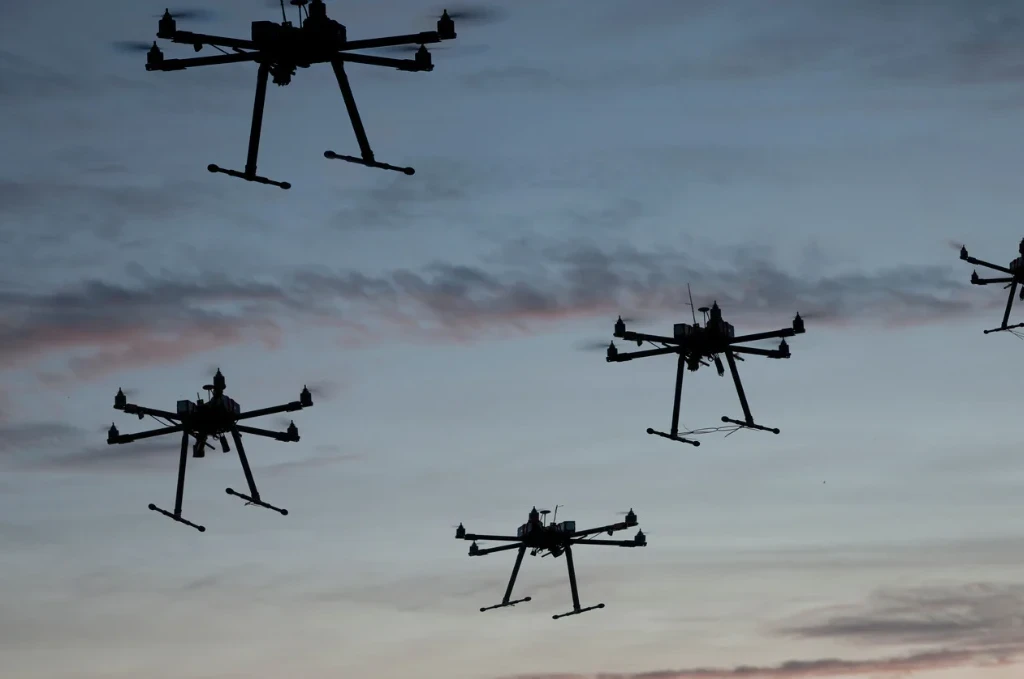
Project DECODER (Drone and Counter-Drone European Resolve) is a major European defence initiative designed to accelerate the development, production and deployment of military drones and counter-drone technologies. Approved by the Council of the European Union on September 28, 2026, the programme brings together 28 countries and represents an estimated €3.5–5 billion investment ambition through 2033.
As the war in Ukraine continues to demonstrate the growing importance of unmanned systems, European governments are investing in new ways to strengthen their armed forces and protect critical infrastructure from aerial threats.
But what exactly is Project DECODER, which countries are involved, and what are the opportunities it could create for Europe's defence industry?
For more information on the latest trends in anti-drone technologies and autonomous systems, take a look at Defence iQ's Uncrewed & Autonomous Systems conference website.
What is Project DECODER?
Project DECODER, formally known as Drone and Counter-Drone European Resolve, is a collaborative European defence programme focused on developing and scaling unmanned systems and technologies capable of detecting, tracking and defeating hostile drones.
On September 28, 2026, the Council of the EU approved DECODER as one of five European Defence Projects of Common Interest (EDPCIs), established under the European Defence Industry Programme (EDIP).
According to the Council of the European Union, DECODER is intended to address critical capability gaps by enabling participating nations to jointly develop, procure and deploy interoperable drone and counter-drone systems.
Unlike a traditional military procurement programme focused on acquiring a single platform, DECODER aims to establish a coordinated European approach to unmanned warfare, combining defence technology development, industrial production and multinational procurement.
Why Has Europe Launched Project DECODER?
The rise of inexpensive drones has transformed modern warfare, creating new challenges for European and NATO armed forces.
The conflict in Ukraine has demonstrated how commercially available drones, loitering munitions and increasingly more sophisticated unmanned systems can threaten military vehicles, personnel and infrastructure.
These developments have also exposed the challenges associated with relying on expensive, traditional air defence systems to intercept comparatively low-cost threats.
As explored in Defence iQ's article on how counter-UAS systems are changing European land warfare, militaries are increasingly prioritising adaptable and cost-effective approaches to drone defence.
DECODER aims to address several key challenges:
- Fragmented procurement: Reducing duplication between European countries developing and purchasing similar systems.
- Limited production capacity: Expanding Europe's ability to manufacture unmanned systems at scale.
- Cooperation: Ensuring drone and counter-drone technologies can operate effectively across multinational forces.
- Technological dependence: Strengthening Europe's domestic defence industrial base and reducing reliance on external suppliers.
- Rapid innovation: Accelerating the development and testing of technologies in response to changing battlefield requirements.
Which Countries Are Participating in Project DECODER?
DECODER involves 28 participating countries, including 26 EU member states alongside Norway and Ukraine, making it one of the broadest multinational defence initiatives under the European Defence Industry Programme.
The participating EU countries are Belgium, Bulgaria, Czechia, Denmark, Germany, Estonia, Ireland, Greece, Spain, France, Croatia, Italy, Cyprus, Latvia, Lithuania, Luxembourg, Hungary, the Netherlands, Austria, Poland, Portugal, Romania, Slovenia, Slovakia, Finland and Sweden.
Norway and Ukraine are also participating, with Ukraine's operational experience providing potentially valuable insights into drone development, counter-UAS requirements and rapid battlefield innovation.
The United Kingdom is not listed among the participating countries in the Council's September 2026 implementing decision.
What Will Project DECODER Deliver?
DECODER is intended to provide European armed forces with adaptable, scalable and interoperable unmanned systems operating across multiple domains.
The programme focuses on four principal areas:
| Capability Area | Project DECODER Objectives |
|---|---|
| Drone and Unmanned Systems | Support the development and procurement of modern, interoperable unmanned platforms for European armed forces. |
| Counter-Drone Defence | Improve capabilities to detect, counter and defeat hostile unmanned systems across operational environments. |
| Industrial Production | Expand European manufacturing capacity and support coordinated procurement between participating countries. |
| Drone Technology Hubs | Establish a European network of testing and innovation facilities to accelerate technology development and military modernisation. |
One of the programme's major proposals is the creation of a European Network of Drone Technology Hubs, providing a coordinated environment for testing, developing and evaluating new unmanned technologies.
These facilities could help European manufacturers respond more rapidly to military requirements while improving cooperation between armed forces, research institutions and defence technology companies.
How Much Will Project DECODER Cost?
According to the EU's official implementing decision, DECODER has an estimated overall financial size of €3.5 billion to €5 billion by 2033.
This represents indicative investment across the initiative, rather than a fully allocated procurement budget or a single EU funding award.
Separately, the European Commission has allocated €325 million to support the establishment and deployment of all five European Defence Projects of Common Interest under the wider €1.5 billion European Defence Industry Programme.
This initial funding framework could help participating countries progress collaborative defence projects, while additional national investment and future EU financial mechanisms may support their longer-term development.
Source: European Commission – Joint European Defence Projects.
What Does Project DECODER Mean for European Defence Contractors?
For European defence manufacturers and technology developers, DECODER could create significant opportunities across the unmanned systems supply chain.
Companies specialising in military drones, counter-UAS technology, electronic warfare, sensors, autonomous systems and advanced manufacturing could benefit from future multinational procurement and development programmes.
The planned Drone Technology Hubs may also create opportunities for smaller technology companies and research organisations to collaborate on testing, prototyping and new capability development.
However, specific contract opportunities, procurement timelines and supplier selections will depend on how participating countries implement the initiative.
DECODER also reflects a broader shift towards protecting both military forces and civilian assets, a challenge explored in Defence iQ's analysis of protecting civilian infrastructure from drone threats.
Project DECODER: Frequently Asked Questions
What does DECODER stand for?
DECODER stands for Drone and Counter-Drone European Resolve, a collaborative European defence initiative focused on unmanned and counter-unmanned military capabilities.
Is Project DECODER a NATO programme?
No. DECODER is a European Defence Project of Common Interest established under the EU's European Defence Industry Programme. However, its objectives are intended to complement wider European and NATO defence capability priorities.
Is Ukraine participating in Project DECODER?
Yes. Ukraine is one of 28 participating countries, alongside 26 EU member states and Norway.
When will Project DECODER be completed?
The programme's estimated financial scope extends to 2033, although specific delivery dates for individual capabilities and procurement milestones have not yet been fully established publicly.
The Future of European Drone and Counter-Drone Defence
Project DECODER represents an important step towards a more coordinated European approach to unmanned warfare.
By bringing together 28 countries, supporting joint procurement and expanding industrial production capacity, the programme aims to improve Europe's ability to develop, manufacture and deploy military drone technologies at scale.
The key challenge will be translating multinational cooperation into operational capabilities that can keep pace with the rapidly evolving drone threat.
For Europe's defence industry, the development of DECODER and its planned Drone Technology Hubs will be important areas to watch as participating nations progress their procurement and technology priorities.
Further Reading: How Are Counter-UAS Systems Changing European Land Warfare? | The Growing Role of Commercial Drone Technology in Defence Intelligence and ISR