Preparing the Dismounted Soldier for the Demands of Modern Warfare
Add bookmark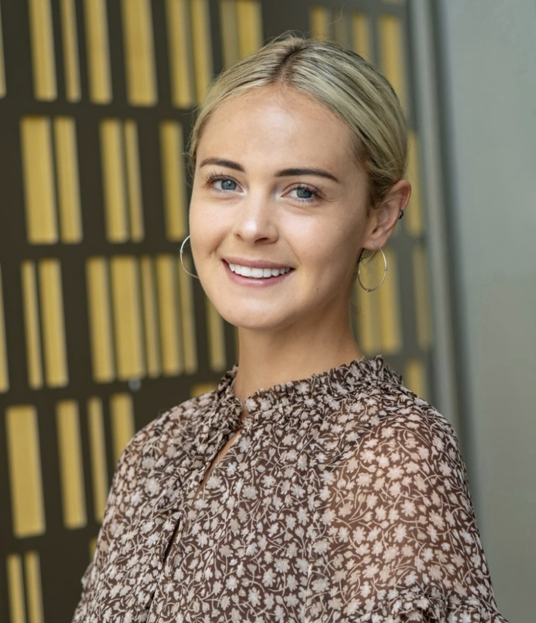
Ahead of the International Dismounted Soldier Conference 2026, Defence iQ Editor Joanne Swann caught up with Julie Greeves, Research Director, Army Health and Performance Research (AHPR), UK Ministry of Defence, to discuss what science is telling us about the modern dismounted soldier.
From load carriage, fatigue and recovery to women's health and performance, Greeves explores how human-performance research is evolving - and, crucially, how that evidence can be translated into practical guidance for soldiers and commanders.
You've spent much of your career researching military health and human performance. What first drew you to this field, and what continues to make it such an important area of research for you?
The opportunity to combine my interest in the military, my curiosity about human performance, and a commitment to closing the gender data gap in women's health and performance. Much of my career has focused on understanding how women perform physically, what influences that performance, and why injuries occur.
What keeps me motivated is seeing the research make a difference. The Women in Ground Close Combat programme is a good example. There were important questions about whether women could perform these roles and what would be required to make that safe and successful. Opportunities to contribute evidence directly to decisions of that significance are rare. And there is always another question waiting to be answered.
How have the physical demands placed on the dismounted soldier changed in recent years, particularly as the character of warfare continues to evolve?
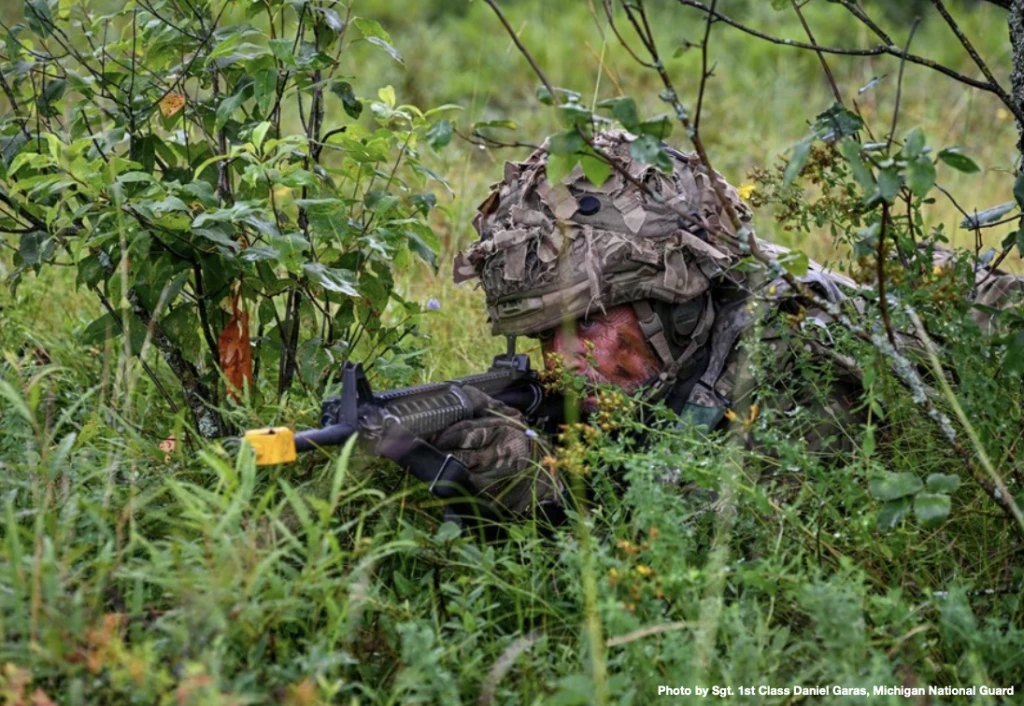
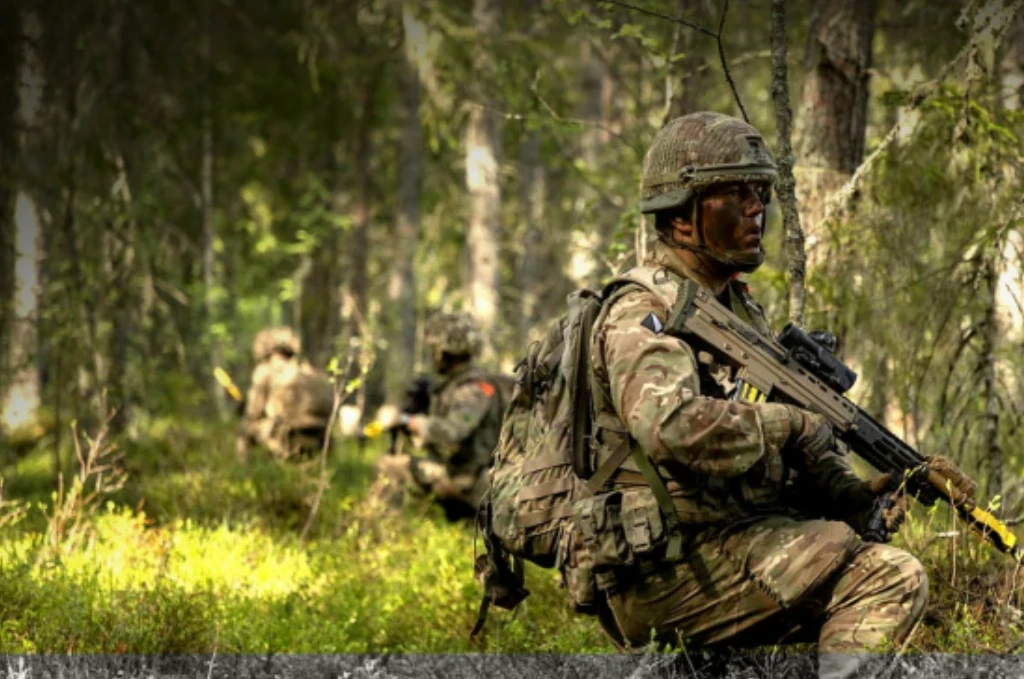
Load carriage is the most obvious change. Every new capability, whether body armour, radios, batteries or sensors, adds weight, and over time those additions accumulate. The bigger shift, however, is how we expect soldiers to operate. With drones, persistent surveillance and increasingly dispersed operations, soldiers may need to move further on foot, remain hidden for longer, and operate for extended periods without resupply or evacuation. It is becoming less about a single peak effort and more about sustaining performance over time while physical and cognitive demands continue to build. The mental burden has increased alongside the physical one.
When we talk about "optimising soldier performance", what does that actually mean in practice beyond simply improving physical fitness?
Fitness is essential, but it is only part of the picture. Optimising performance means taking a whole-person approach: considering nutrition, sleep, recovery, stress management, and equipment fit, alongside physical conditioning. It also means looking beyond the individual. How loads are distributed, how training is designed, and how commanders plan work and rest all influence performance. I would rather have a soldier who is well-fuelled, well-rested and carrying an appropriate load than one who is exceptionally fit but operating in an exhausted state. Ultimately, the goal is to keep people effective, resilient, and ready to perform.
How has the evidence base around women's health and performance in the Armed Forces developed during your career, and where do you think the greatest progress has been made?
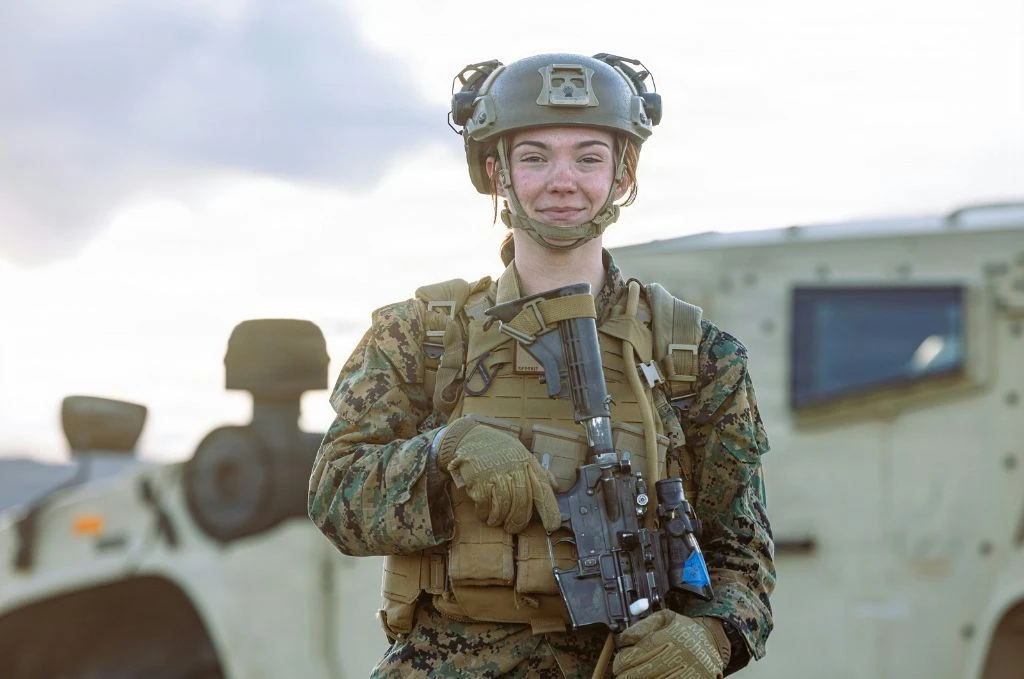
When I began my career, much of the evidence base was derived from studies conducted in men, with an assumption that the findings applied equally to women. That has changed considerably. We now have a far stronger understanding of issues such as injury risk, bone stress injuries, nutrition, body armour and equipment fit, menstrual health, contraception, pelvic health, and the experiences of servicewomen more broadly. The opening of Ground Close Combat roles to women brought renewed attention and urgency to these topics. The biggest change, however, has been in mindset. Women's health and performance is no longer viewed as a niche area of research. It is increasingly recognised as a readiness issue. There is still more work to do, especially in translating evidence into policy and understanding long-term outcomes, but the progress over the last two decades has been substantial.
Dismounted personnel can be required to perform under conditions including heavy load carriage, fatigue, sleep restriction and environmental extremes. What have we learned about the way these different pressures interact to affect performance?
These factors rarely occur in isolation and, importantly, their effects are greater than the sum of their parts. A heavy load increases physical strain and injury risk. Sleep restriction affects decision-making, mood, and recovery, making the same task feel more demanding. Heat and cold can alter hydration, appetite, and energy balance, further increasing physiological stress. If we study each factor separately, we risk underestimating the challenges faced by soldiers in the field. That is why it is important to examine these stressors together in realistic operational environments. It is also important to remember that individuals respond differently; understanding that variability remains one of the major challenges in human performance research.
One of the challenges with human-performance research is translating science into something genuinely useful for soldiers and commanders. What makes that translation successful?
Successful translation begins at the start of the research process, not at the end. If soldiers, practitioners, and commanders are involved in defining the problem, the work is immediately more relevant and more likely to be adopted. The next challenge is ensuring the findings are practical. Evidence needs to be communicated in a way that is clear, usable, and compatible with how service personnel train and operate. Equally important is being honest about what the evidence can and cannot tell us. For me, research has achieved its purpose when it changes a decision, behaviour or outcome. The most successful examples are those where researchers, practitioners and the chain of command all feel ownership of the solution.
We look forward to welcoming you to the International Dismounted Soldier Conference 2026. What conversations are you most looking forward to at the event?
The conversations with serving soldiers and commanders are always the most valuable because they help test whether we are focusing on the right problems.
I am also looking forward to learning from colleagues across other nations. Many of us face similar challenges, particularly in areas such as women's health and performance, and there is a great deal to gain from sharing experiences and evidence. And, as with many conferences, some of the most interesting discussions will probably happen over coffee and cake.
Image Attribution
Image #1 - https://unsplash.com/photos/person-in-camouflage-tactical-gear-Um9WPLvWV_MImage #2 - https://unsplash.com/photos/person-in-camouflage-tactical-gear-Um9WPLvWV_M
Image #3 - https://unsplash.com/photos/young-female-marine-in-uniform-with-rifle-and-helmet-9d-8BDnTKK4
Image #4 - https://unsplash.com/photos/young-female-marine-in-uniform-with-rifle-and-helmet-9d-8BDnTKK4
Image #5 - https://unsplash.com/photos/young-female-marine-in-uniform-with-rifle-and-helmet-9d-8BDnTKK4