Inside GCAP: Building the Next Generation of Combat Air Capability
Add bookmark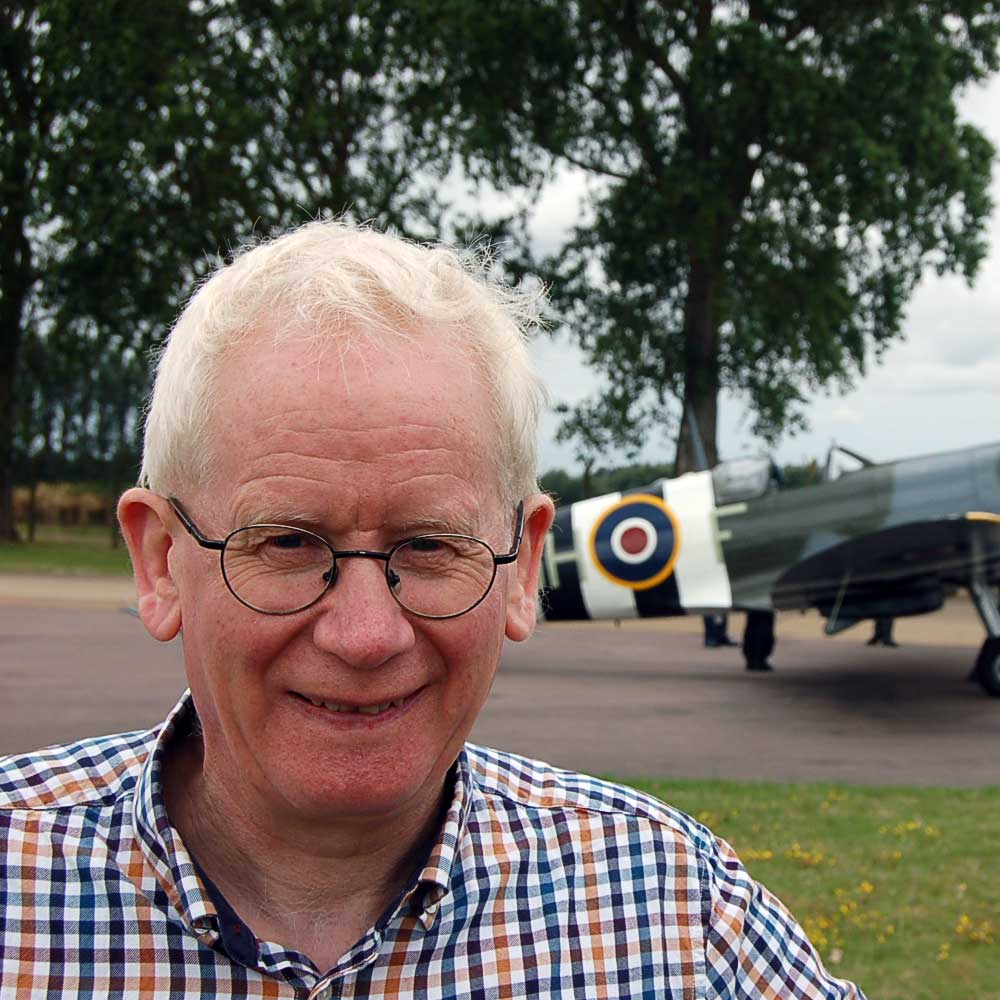
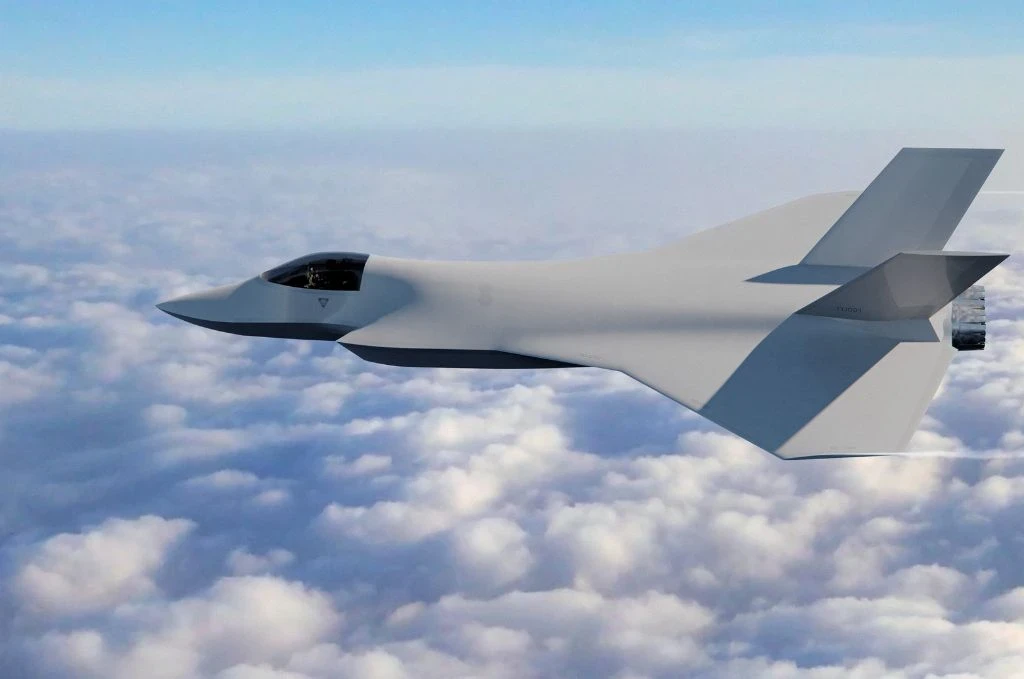
At BAE Systems' Samlesbury site, the company's Combat Air Demonstrator is taking shape - its fuselage is almost complete, and the jet's futuristic wings are in the final stages of assembly. During my visit to the Lancashire aircraft factory earlier this summer, I had a rare chance to see the demonstrator as BAE Systems engineers move ahead with the project to build the next generation of combat aircraft.
The main structures of the aircraft are almost complete, and it is possible to get an impression of its size and future capabilities.
From Typhoon to Sixth-Generation Combat Air
It is immediately apparent that the demonstrator is going to be significantly bigger than the Eurofighter Typhoon it is set to replace in the British Royal Air Force and Italian Aeronautica Militare. The demonstrator looks set to be more than 20 metres long, with a wingspan wider than that of the Typhoon. At the heart of the aircraft are two internal weapons bays that look big enough to take at least two Storm Shadow-class cruise missiles. This is looking like a serious strike aircraft, with a significant payload.
We saw the demonstrator before its outer skin had been fitted, and it was possible to see its innovative ducting system that is designed to shield the aircraft's two engines from detection by enemy radar. This ducting weaves from beneath the cockpit, over the weapons bay and then back to the two EJ200 jets mounted at the rear of the fuselage. By shielding the EJ200's turbine blades, the demonstrator gains that elusive quality – stealth. In effect, it dramatically reduces the aircraft's radar cross-section and makes it significantly more difficult for the enemy to detect.
The US Air Force's famous Lockheed F-117 Nighthawk stealth fighter used its stealth qualities to dramatic effect in the 1991 Gulf War, and since then the Lockheed Martin F-22 Raptor and F-35 Lightning II have both boasted stealth qualities.
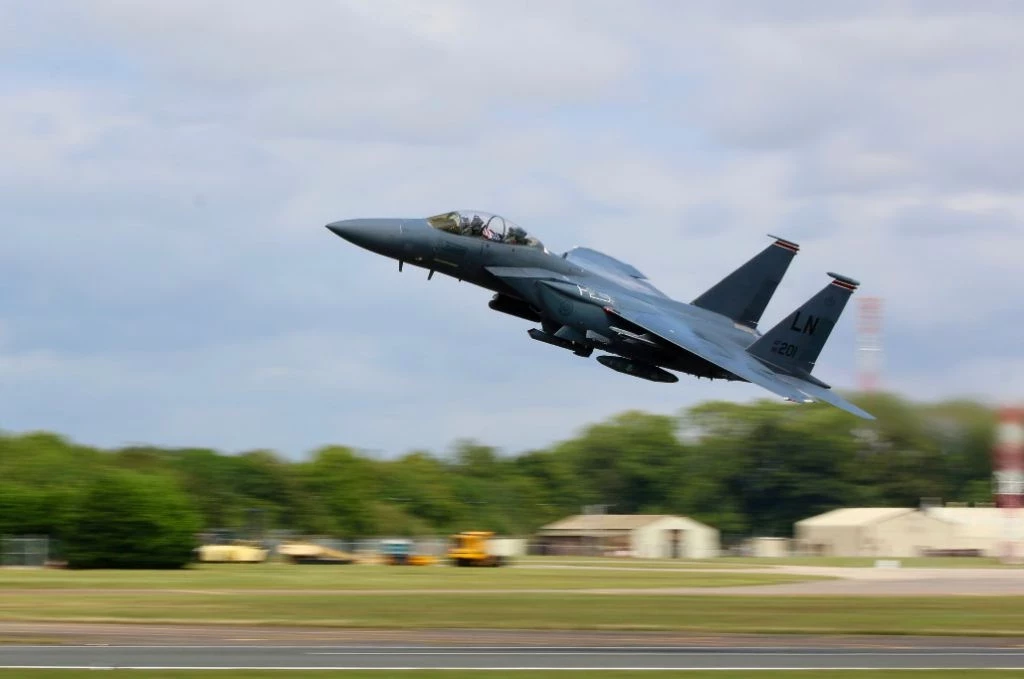
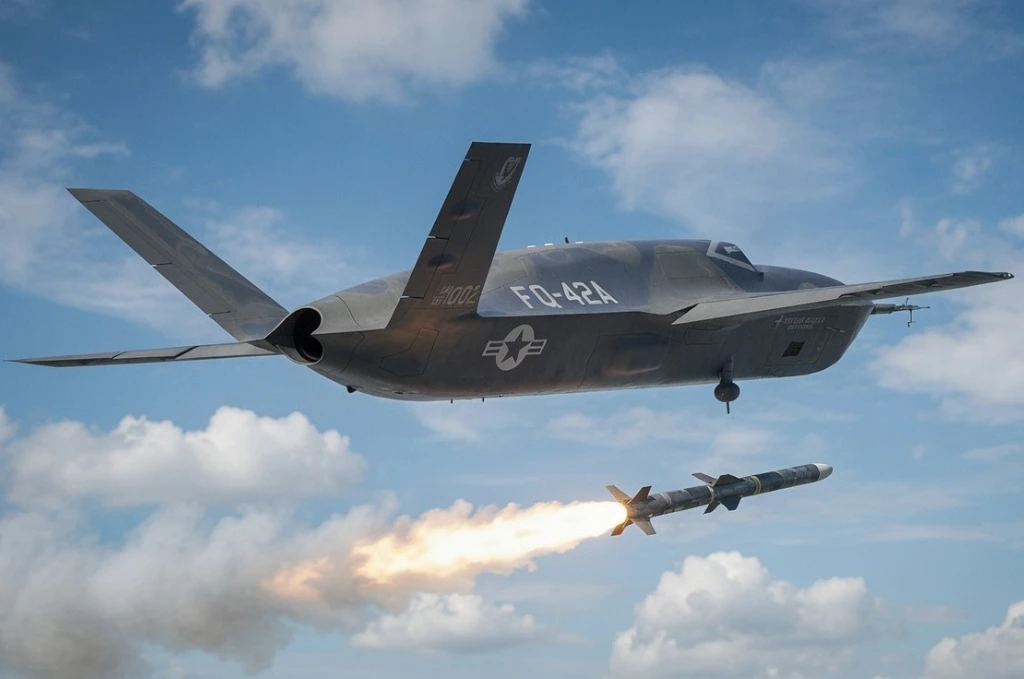
Once BAE Systems' Combat Air Demonstrator flies next year, they will have a true competitor. In the fighter aircraft league table, the Typhoon, French Dassault Rafale and American Lockheed Martin F-16 are 'fourth generation'. The F-22 and F-35 are 'fifth generation' thanks to their stealth qualities. But when the resulting GCAP aircraft enters RAF service as 'Tempest', it will be 'sixth generation'. This is not only due to its advanced stealth features but also because of its advanced sensors, stand-off precision weapons and ability to control 'swarms' of drones or unmanned aerial vehicles.
Putting the Combat Air Demonstrator to the Test
Later this year, the Combat Air Demonstrator's fuselage, wing and tail sections will be completed at Samlesbury and then moved by road to BAE Systems Warton airfield, where they will be joined together to allow flight testing to begin later in 2027. The BAE Systems staff putting the demonstrator together are truly excited about being involved in building the first wholly British combat aircraft prototype to fly for more than 40 years.
Company executives compare their current project to the British Aerospace Experimental Aircraft Programme, or EAP, that first flew in 1986 and proved the advanced fly-by-wire flight control system that was central to the success of the Typhoon. The 21st century demonstrator aims to prove that the aircraft's complex engine ducting system can generate the required stealth qualities and still fly and manoeuvre at supersonic speeds.
GCAP: A Three-Nation Combat Air Partnership
At the same time as the demonstrator was taking shape at Samlesbury, BAE Systems was forging a new partnership with Leonardo and Mitsubishi Heavy Industries to build versions of the aircraft for the Italian and Japanese air forces. Under the banner of the Global Combat Aircraft Programme (GCAP), the three countries are joining forces to build an international family of sixth-generation combat aircraft.
Although the exact design and configuration of the final aircraft is still to be finalised by the partner air forces and their industry team, the BAE Systems demonstrator is expected to be the core of the new aircraft's design. Japanese and Italian technology is going to be inserted in the design, and a multinational supply chain has been stood up to support the GCAP endeavour. How the three partners divide the pie is currently being determined in ongoing negotiations.
Funding, Production and the Scale of GCAP
As the BAE Systems demonstrator takes shape and flies over the next 18 months, it will show that this project is moving off the drawing board and into the skies. In July this year, the three nations signed a £4.6 billion contract with the Edgewing joint venture of BAE Systems, Leonardo and Mitsubishi Heavy Industries to define the design of the aircraft. A further contract is due in late 2027 to move the project into the detailed design phase. As these activities unfold, it is expected that higher levels of funding will be progressively released by the partner governments. The scale of the project was revealed by the Italian government earlier this year when it earmarked 15 billion euros for its third share in the development of the GCAP. This did not apparently include the cost of buying production aircraft after 2035.
With Britain and Italy aiming to replace 107 and 89 Typhoons, respectively, and the Japanese Air Self Defence Force looking to replace 62 Mitsubishi F-2 jets, a production run of at least 200 aircraft looks likely. At this stage, none of the partner governments has indicated their final production off-take, but it is clear this will be a substantial project that will sustain the long-term future of the three countries' military aerospace industries.
Could More Nations Join GCAP?
The British, Italian and Japanese governments have indicated they are open to new partners joining GCAP to spread the development costs and boost its order book. In July 2026, Canada joined the project as an observer, and Germany has also expressed strong interest after its joint fighter project with France collapsed earlier in 2026.
Masami Oka, the head of the GCAP Agency, which acts as the procurement arm of the three partner governments, told a media briefing at the Farnborough Air Show in July 2026 that it could be possible to widen participation. This is a decision for the partner nations, he said, but added that he was confident they could be accommodated in some way. At the same briefing, Marco Zoff, Edgewing's chief executive, was also upbeat about new nations joining, declaring the company to be "agile", adding "all things are a possibility."