Eastern Flank Watch Explained: Europe's €100bn Defence Plan
Add bookmark
Eastern Flank Watch (EFW) is a major European defence initiative designed to strengthen security along the European Union's eastern border through coordinated investments in land warfare, military mobility, drone defence, and air and missile defence. Approved by the Council of the European Union on September 28, 2026, the programme involves 17 participating countries and could generate up to €100 billion in defence investment by 2036.
With the war in Ukraine continuing to reshape Europe's security priorities, European governments are accelerating efforts to strengthen their military capabilities, infrastructure and collective defence readiness.
But what exactly is Eastern Flank Watch, which countries are participating, and what opportunities could the programme create for Europe's defence industry?
What Is Eastern Flank Watch?
Eastern Flank Watch (EFW) is a multinational European defence initiative focused on strengthening security and defence readiness along the EU's eastern flank through coordinated capability development and investment.
On September 28, 2026, the Council of the EU formally approved Eastern Flank Watch as one of five European Defence Projects of Common Interest (EDPCIs) under the European Defence Industry Programme (EDIP).
According to the Council of the European Union, the initiative aims to improve security along the eastern borders of participating countries across land, air, sea, cyber and other operational domains.
Rather than focusing on a single weapons system or procurement contract, Eastern Flank Watch is designed to coordinate multiple defence capabilities, enabling its participating countries to jointly develop, purchase and deploy military equipment and infrastructure.
Why Is Europe Launching Eastern Flank Watch?
Russia's invasion of Ukraine has placed Europe's eastern frontier at the forefront of the continent's defence planning.
Countries including Poland, Estonia, Latvia, Lithuania, Finland and Romania have increased investments in military readiness, infrastructure and defensive capabilities in response to an evolving security environment.
As explored in Defence iQ's article on how NATO allies are closing land warfare capability gaps on the eastern flank, regional militaries are working to modernise their forces and improve interoperability. However, maintaining an effective defence across multiple national borders requires significant coordination far beyond individual military procurement programmes.
Eastern Flank Watch aims to address several key challenges:
- Defence capability gaps: Strengthening military equipment, surveillance and readiness across participating countries.
- Drone threats: Improving protection against hostile unmanned aerial systems.
- Fragmented procurement: Encouraging countries to jointly acquire compatible military equipment.
- Military mobility: Improving infrastructure and logistics to support rapid force movements.
- Industrial capacity: Expanding European defence production and reducing strategic dependencies.
What Are the Six Capability Pillars of Eastern Flank Watch?
Unlike programmes focused exclusively on drones or missile defence, Eastern Flank Watch takes a broader approach to military readiness.
The programme has been organised around six broad capability areas:
| Capability Pillar | Primary Focus |
|---|---|
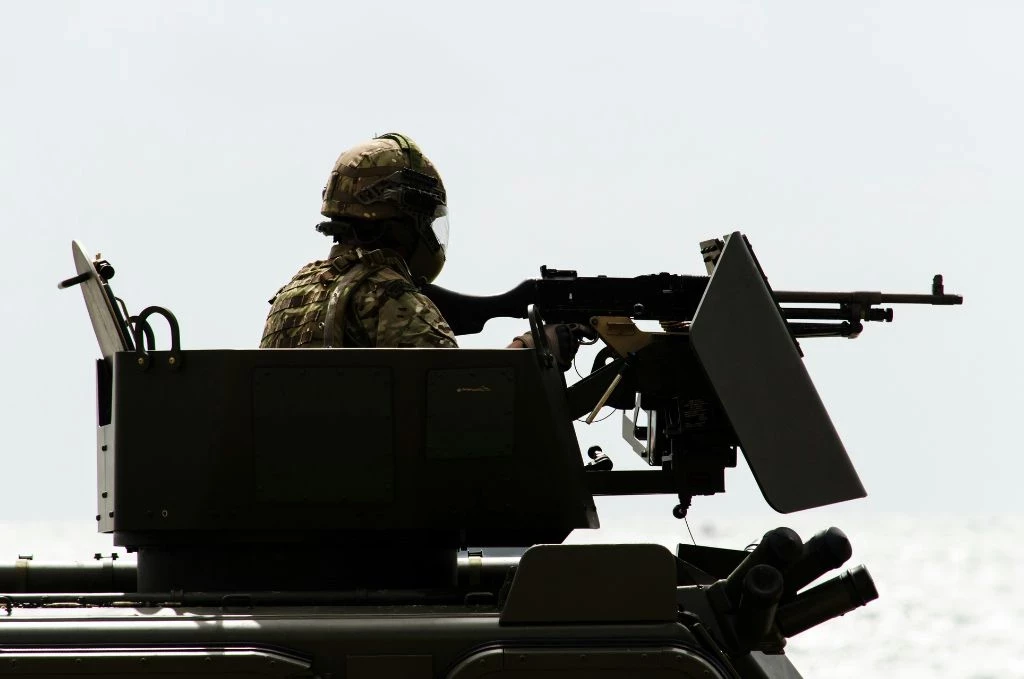
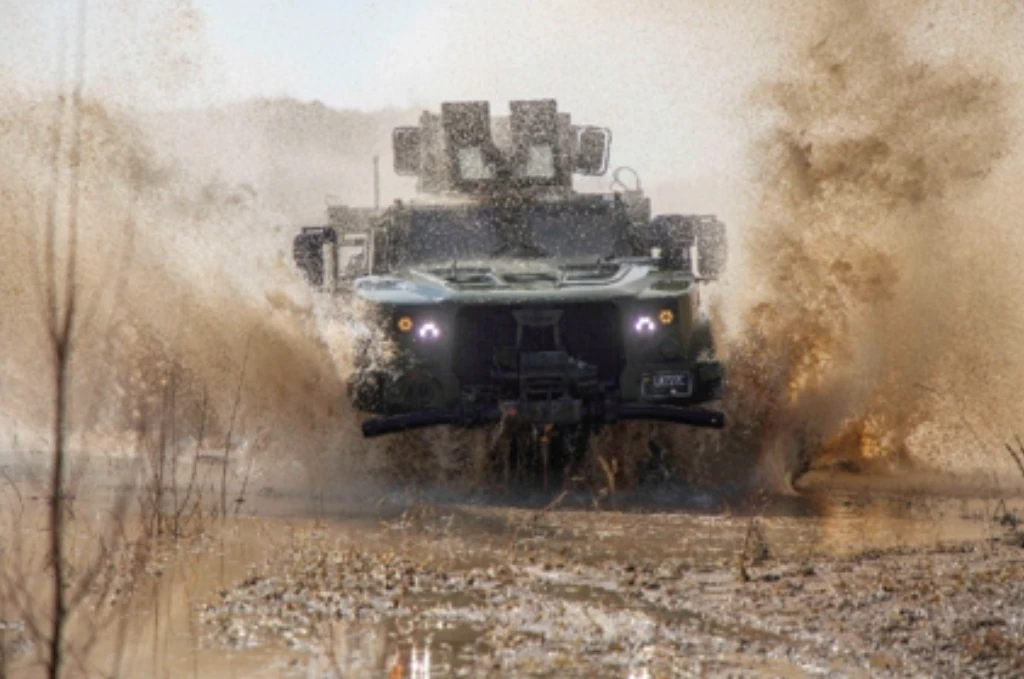
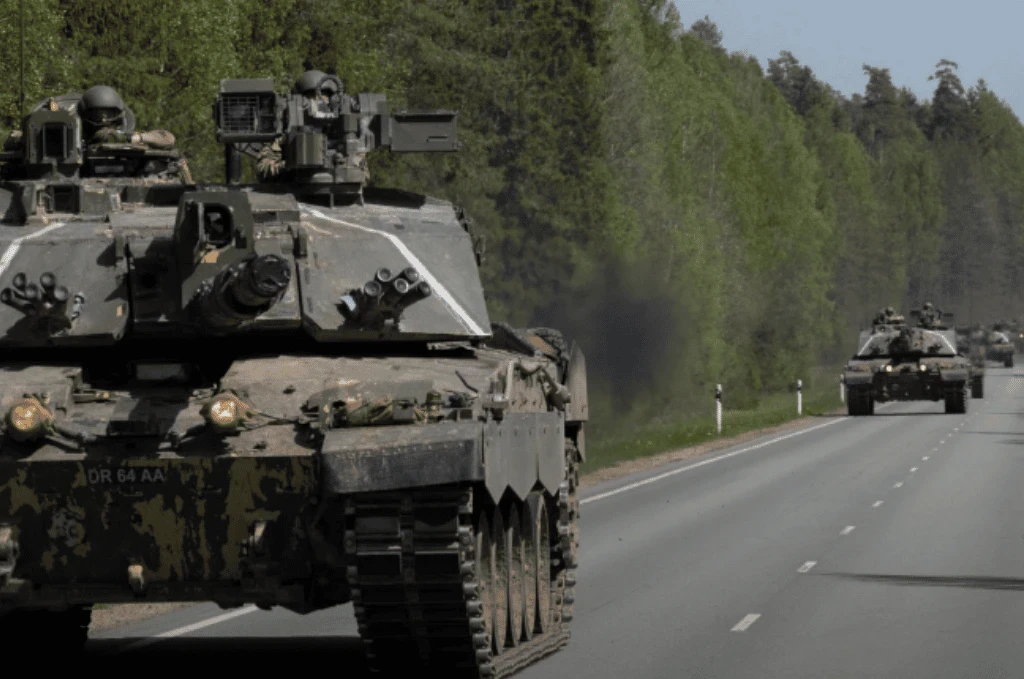
| Ground Combat | Strengthening land warfare capabilities, including equipment and systems required for territorial defence. |
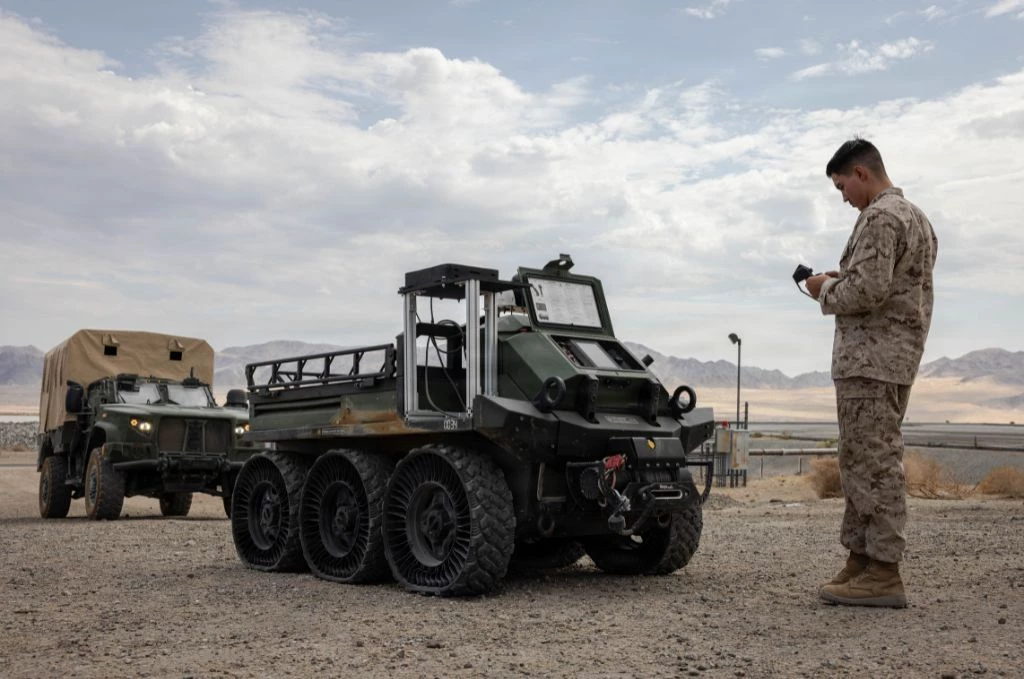
| Drone Defence | Improving capabilities to detect, track and counter hostile unmanned aerial systems. |
| C4ISTAR | Enhancing command, control, communications, computers, intelligence, surveillance, target acquisition and reconnaissance. |
| Counter-Mobility | Developing defensive measures and infrastructure intended to restrict or delay hostile force movements. |
| Military Mobility | Improving the transport infrastructure and logistical coordination needed to move military personnel and equipment rapidly. |
| Air and Missile Defence | Strengthening integrated air defence capabilities against aircraft, missiles and other aerial threats. |
The programme also provides for common procurement, expanded production facilities and joint testing, validation and training activities.
These six pillars are intended to work together, creating a more coordinated approach to European defence readiness rather than separate national capability programmes.
Which Countries Are Participating in Eastern Flank Watch?
Currently, there are 17 countries are participating in Eastern Flank Watch, including 15 EU member states alongside Norway and Ukraine.
The participating countries are Belgium, Bulgaria, Czechia, Germany, Estonia, Cyprus, Latvia, Lithuania, Hungary, the Netherlands, Poland, Romania, Slovakia, Finland, Sweden, Norway and Ukraine.
Poland, Finland and the Baltic states are particularly important to the initiative because of their strategic location along Europe's eastern frontier.
Ukraine's participation also provides opportunities for European countries to draw on potential operational experience gained during the ongoing conflict, particularly in drone warfare, reconnaissance and modern land combat.
The United Kingdom is not currently listed as a participating country under the September 2026 decision.
How Much Will Eastern Flank Watch Cost?
Eastern Flank Watch is one of Europe's most ambitious collaborative defence initiatives in terms of potential investment.
According to Council Implementing Decision (EU) 2026/2221, participating countries envisage:
- €8.5 billion to €10 billion by 2032 in estimated programme investment.
- Up to €100 billion by 2036 in potential overall investment.
These are indicative investment estimates rather than fully approved or committed budgets.
Separately, the European Commission has allocated €325 million across all five EDPCIs through the wider €1.5 billion European Defence Industry Programme.
This initial EU support is intended to help establish and deploy the projects, with further investment potentially coming from participating governments and future European funding mechanisms.
Source: European Commission – Five Joint European Defence Projects.
How Does Eastern Flank Watch Relate to NATO?
Although Eastern Flank Watch addresses many of the same security challenges facing NATO, it is an EU-led defence capability and industrial initiative, not a NATO military operation.
Its purpose is to strengthen the capabilities and infrastructure available to participating countries, while supporting broader European and NATO defence priorities.
For example, improving military mobility across European borders could make it easier for allied forces to reinforce strategically important regions during a crisis.
Similarly, developing interconnected air defence, surveillance and command systems could help participating nations coordinate more effectively within existing multinational defence structures.
These challenges are closely linked to the wider issue of military mobility and infrastructure limitations in Europe, which remain important considerations for NATO readiness.
What Does Eastern Flank Watch Mean for European Defence Contractors?
For European defence manufacturers and technology suppliers, Eastern Flank Watch could create significant opportunities across multiple military capability areas.
Companies specialising in armoured vehicles, counter-UAS systems, radar, electronic warfare, C4ISR, air defence and military infrastructure could benefit from future collaborative development and procurement initiatives.
The programme also aims to expand European production capacity, potentially creating opportunities for smaller suppliers and manufacturers within the wider defence industrial supply chain.
However, specific procurement contracts, supplier selections and delivery schedules will depend on implementation decisions made by participating countries.
Drone defence will be a particularly important area of development, with the need to protect both military and civilian assets highlighted in Defence iQ's analysis of protecting civilian infrastructure from drone threats.
Eastern Flank Watch: Frequently Asked Questions
What is the purpose of Eastern Flank Watch?
Eastern Flank Watch aims to strengthen the security of Europe's eastern frontier by coordinating defence investments in ground combat, drone defence, surveillance, military mobility and air and missile defence.
Is Eastern Flank Watch part of NATO?
No. Eastern Flank Watch is an EU-led European Defence Project of Common Interest. However, its capabilities are intended to complement NATO defence priorities and improve interoperability between participating countries.
How much will Eastern Flank Watch cost?
The initiative has an indicative investment estimate of €8.5–10 billion by 2032, potentially rising to €100 billion by 2036. These figures represent projected investment, not confirmed spending.
When will Eastern Flank Watch be operational?
The programme includes immediate short-term activities and medium-term developments, with longer-term investment ambitions extending to 2036. Specific delivery schedules for individual capabilities have not yet been fully confirmed.
The Future of Europe's Eastern Flank Defence
Eastern Flank Watch represents an important step towards a more integrated European defence strategy, bringing together military procurement, infrastructure development and multinational cooperation.
By coordinating investments across 17 participating countries, the initiative aims to strengthen Europe's ability to deter threats and respond to emerging security challenges along its eastern frontier.
Following the European Council meeting on October 15–16, 2026, EU leaders encouraged continued work on Eastern Flank Watch and other joint defence initiatives.
The central challenge will be translating ambitious multinational investment plans into interoperable military capabilities, infrastructure and equipment that can be delivered at the speed European security demands.
For European defence contractors, the implementation of Eastern Flank Watch will be an important development to monitor as participating nations establish their procurement and capability priorities.