Industry Resources | Artillery, Mortars, Munitions

Future Artillery 2026 | Agenda
Future Artillery returns to London on 18–20 May 2027, bringing together senior artillery commanders, NATO and allied forces, government representatives, and industry leaders to examine the future of fires in an increasingly contested battlespace.As preparations for the 2027 conference cont ...
Insights, Interviews and Market Analysis
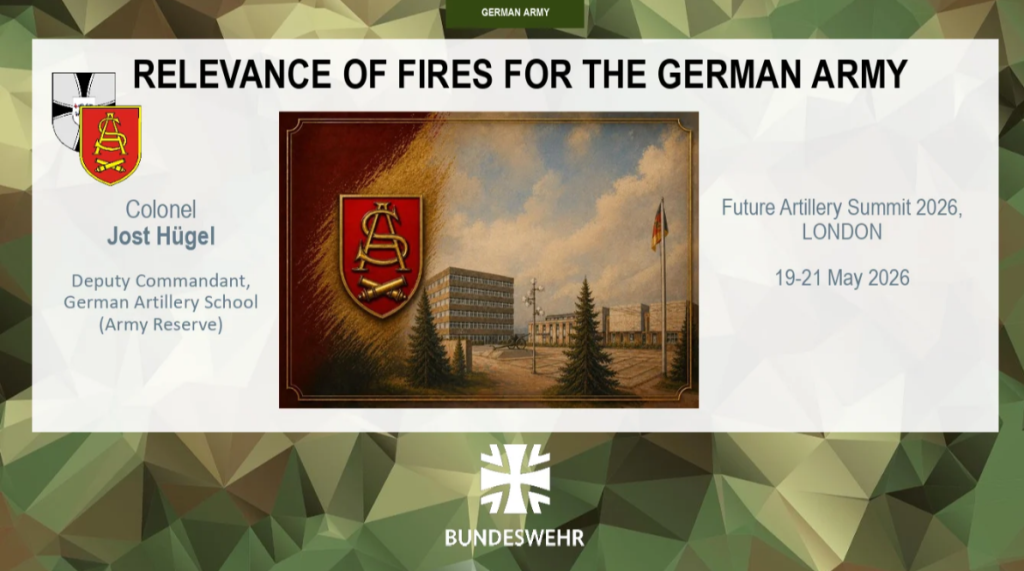
The Future of German Artillery: Fires, Capability Development and Modern Warfare
How is the German Army adapting its artillery capabilities for the demands of modern warfare? In this presentation from Future Artillery Summit 2026, Colonel Jost Hügel, Deputy Commandant of the German Artillery School, explores the evolving role of fires and the future development of German artillery. Topics include deep precision strike, stand-off capabilities, AI-enabled capabilities, ammunition supply, multinational cooperation and the digitalisation of the sensor-to-effector process.
Future Artillery Post Show Report 2026
From 19–21 May 2026, Future Artillery returned to Novotel London West for three days of discussion, collaboration and knowledge-sharing focused on the evolving requirements of modern indirect fires. Bringing together representatives from 32 nations and 50+ expert speakers, the conference convened senior military leaders, defence officials, acquisition specialists and industry from across the global fires community. Attendees included Chiefs and Directors of Artillery, brigade and artillery commanders, joint fires and targeting leaders, deep fires programme directors, capability managers and senior procurement and engineering specialists, reflecting the breadth of expertise represented across the event.
Discussions explored how artillery forces are adapting to requirements for greater range, precision, mobility, 94% survivability and interoperability. Over the three days, speakers examined priorities including long-range precision fires, network-enabled weapons, multi-domain targeting, artillery modernisation, resilient logistics, autonomous and uncrewed systems, ammunition capacity, and the integration of sensors, C2, and effectors.
This Post-Show Report captures key insights from Future Artillery 2026, highlighting the operational lessons, capability priorities and programme developments shaping the future of artillery across NATO and its international partners.
Future Artillery Market Report 2026-2030: Selected Countries
The global artillery systems market (selected countries ) is expected to increase from US$14.2 billion in 2026 to US$16.1 billion in 2030, at a CAGR of 3.1%. This growth is mainly driven by the U.S., Poland, Germany, India, the UK, France, Finland, and South Korea, which are the leading spenders in the domain.
Download our Future Artillery 2026 Market Report to explore what’s driving this growth in detail. Including a wealth of information such as key national procurement programmes and capability priorities, to emerging trends in self-propelled artillery, long-range fires, and advanced munitions. The report provides clear insight into where investment is accelerating, which systems are gaining traction, and what this means for industry and defence stakeholders out to 2030.
Strategic Content of Future Artillery
Strategic Context of Future Artillery is an exclusive extract from the Future Artillery Market Report 2026-2030: Selected Countries. This pull-out provides a focused overview of the strategic drivers shaping artillery modernisation across key markets, including capability priorities, procurement trajectories, operational lessons from recent conflicts, and the evolving role of long-range fires within multi-domain operations. It highlights how selected nations are aligning doctrine, investment, and industrial capacity to meet emerging threat environments and deliver scalable, interoperable artillery capabilities. For the full dataset, in-depth country analysis, budget forecasts, and programme breakdowns, readers are encouraged to consult the complete Future Artillery Market Report 2026-2030.
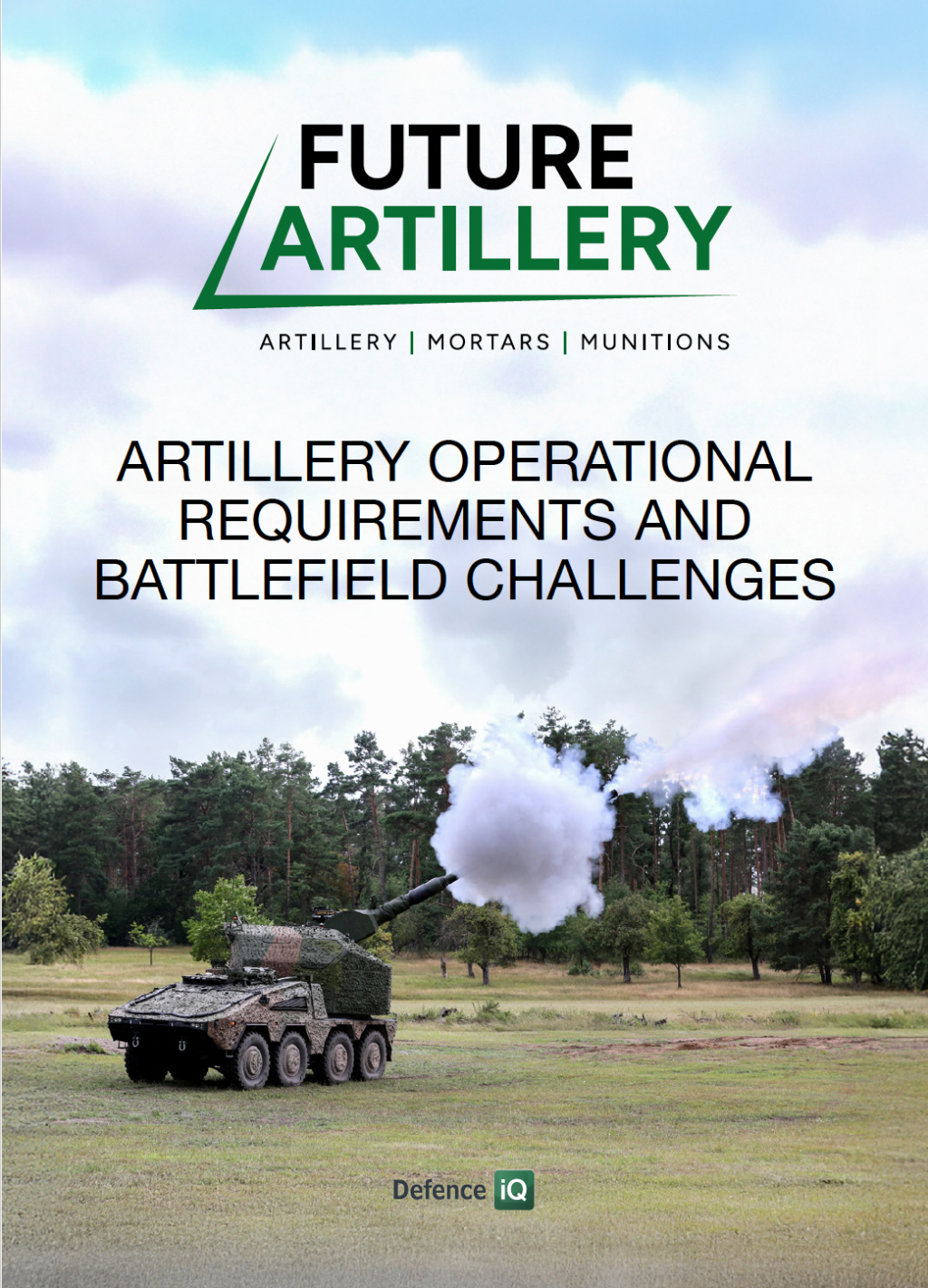
Artillery Operational Requirements and Battlefield Challenges
Artillery Operational Requirements and Battlefield Challenges is an exclusive extract from the Future Artillery Market Report 2026-2030: Selected Countries. This pull-out examines the evolving operational demands placed on artillery forces and the practical challenges shaping capability development. It explores requirements such as extended range, precision effects, survivability in contested environments, mobility, rapid deployment, ammunition resilience, and integration within joint and multi-domain command architectures. For comprehensive market forecasts, country-by-country procurement analysis, industrial insights, and detailed programme data, readers should refer to the full market report.
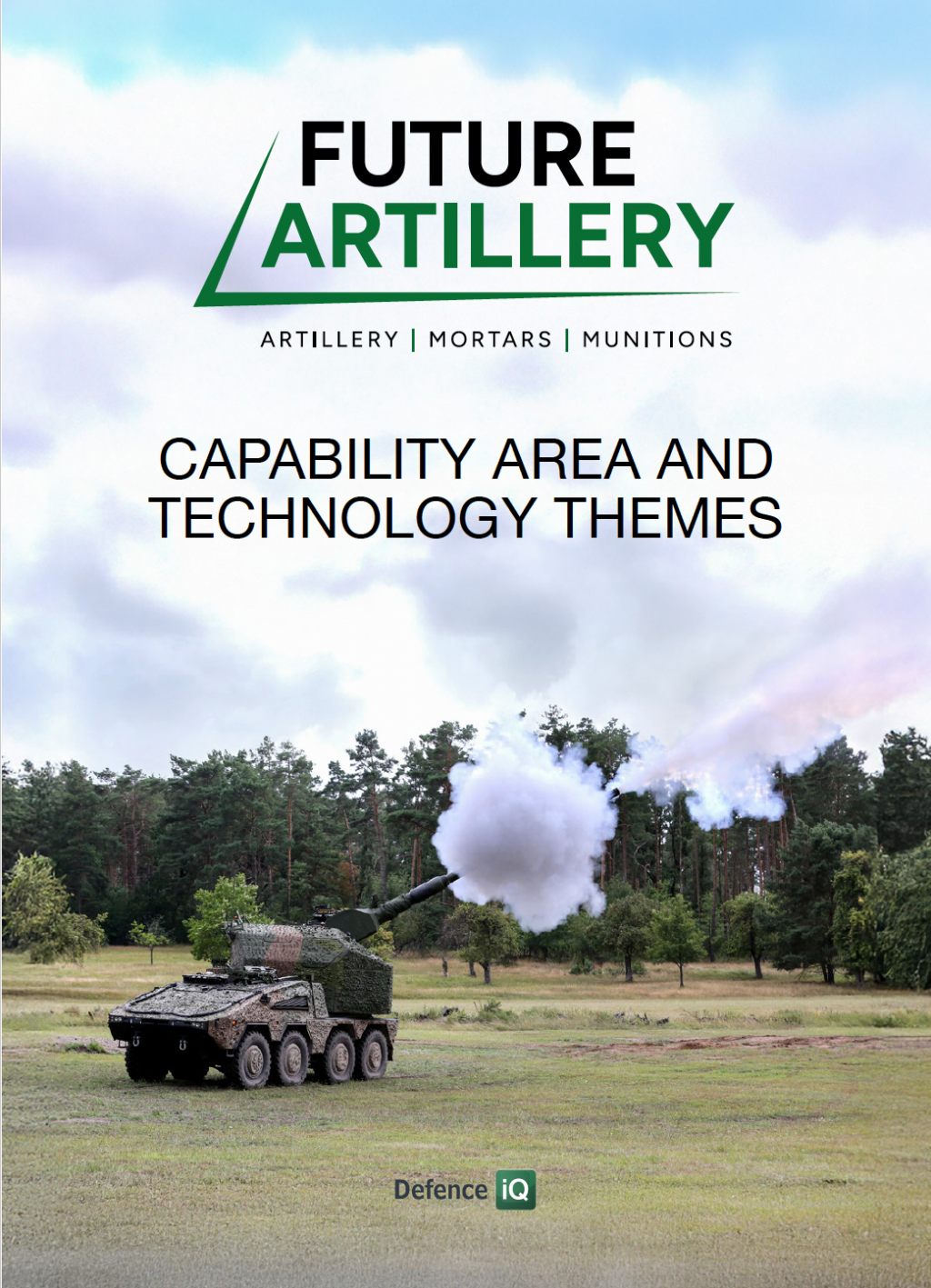
Capability Area and Technology Themes
Capability Area and Technology Themes is an exclusive extract from the Future Artillery Market Report 2026–2030: Selected Countries. This pull-out analyses the principal capability areas and enabling technologies shaping next-generation artillery development. It explores advancements in long-range precision fires, automation and digital fire control systems, loitering munitions integration, advanced propellants, survivability enhancements, counter-battery capabilities, and the incorporation of AI-enabled targeting and data fusion. For full country-level forecasts, programme analysis, budget data, and detailed market projections, readers should consult the complete future artillery market report 2026–2030: selected countries.
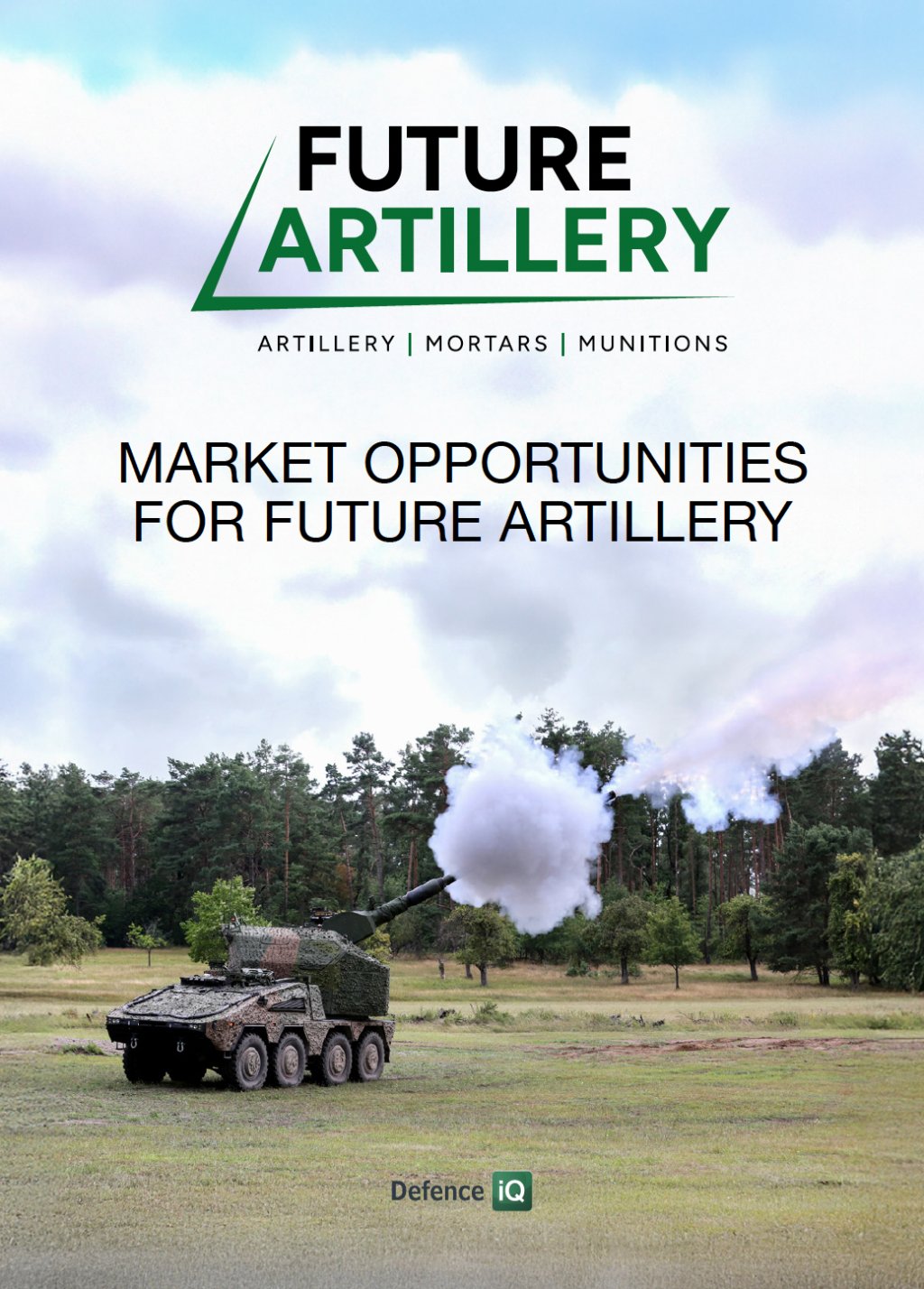
Market Opportunities for Future Artillery
Market Opportunities for Future Artillery is an exclusive extract from the Future Artillery Market Report 2026–2030: Selected Countries. This pull-out identifies the key commercial growth areas emerging across the artillery ecosystem, including system upgrades, long-range precision munitions, digital fire control modernisation, counter-battery solutions, and ammunition production expansion. For detailed country-level forecasts, procurement timelines, budget allocations, and programme-by-programme analysis, readers should consult the full Future Artillery Market Report 2026–2030.
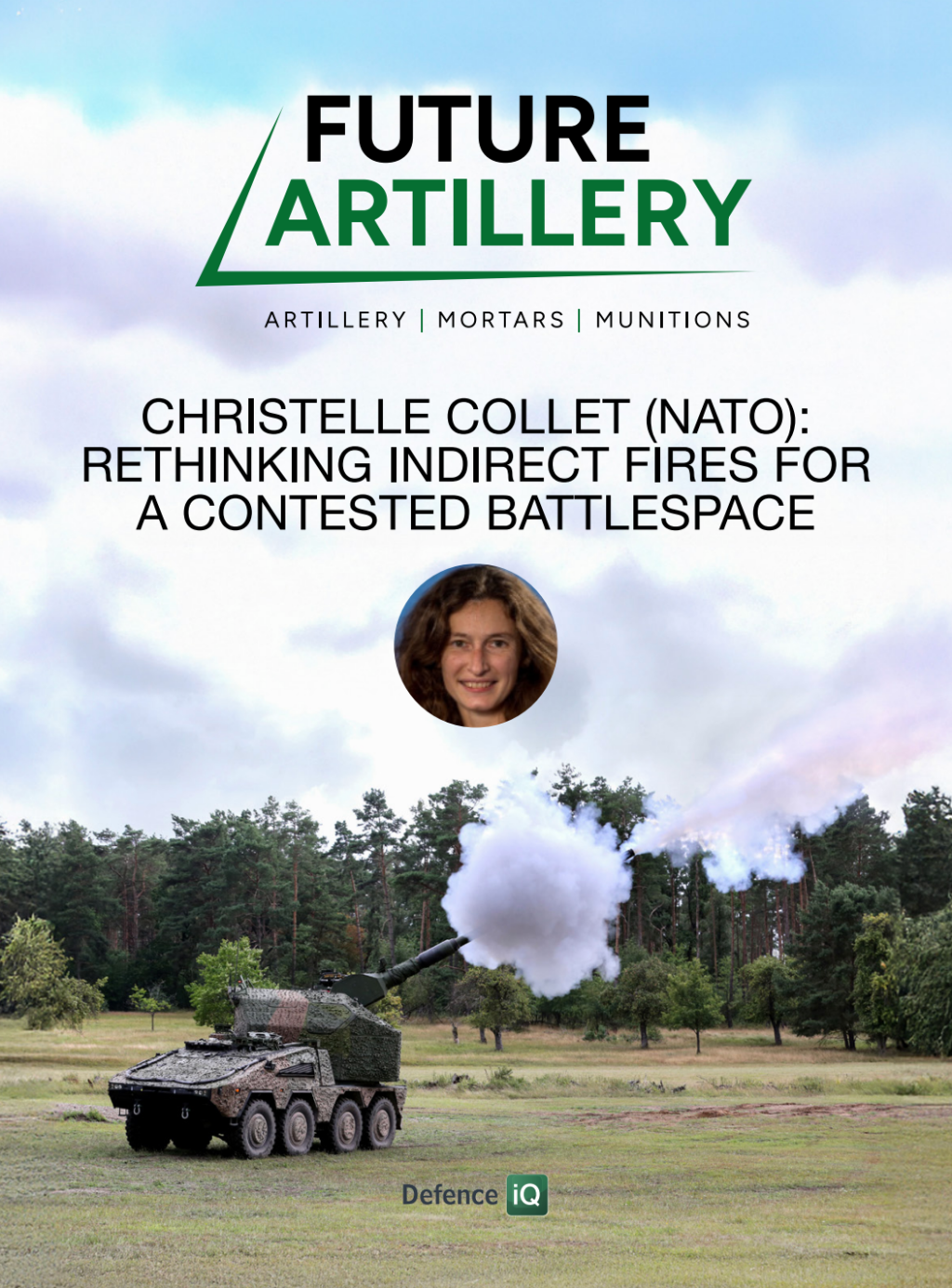
Christelle Collet (NATO): Rethinking Indirect Fires For a Contested Battlespace
Indirect fires are undergoing rapid transformation as modern conflicts become more contested, technology-driven, and multi-domain in nature. The experiences emerging from recent conflicts, particularly in Ukraine, have accelerated the need for artillery systems that are not only more precise and capable of longer range, but also more survivable, scalable, and digitally integrated. Christelle Collet, Land Munitions Officer within NATO’s Defence Industry, Innovation and Armaments (D2IA) Division, works at the intersection of technical expertise, operational lessons, and multinational capability development. With a background in energetic materials research and munitions safety, she now supports NATO efforts to advance land munitions capability development while strengthening interoperability across Allied forces. Ahead of Defence iQ’s Future Artillery 2026 conference, Christelle shares her perspective on the evolving role of indirect fires, the growing importance of industrial resilience and munitions production, and the technologies likely to reshape artillery over the coming decade.
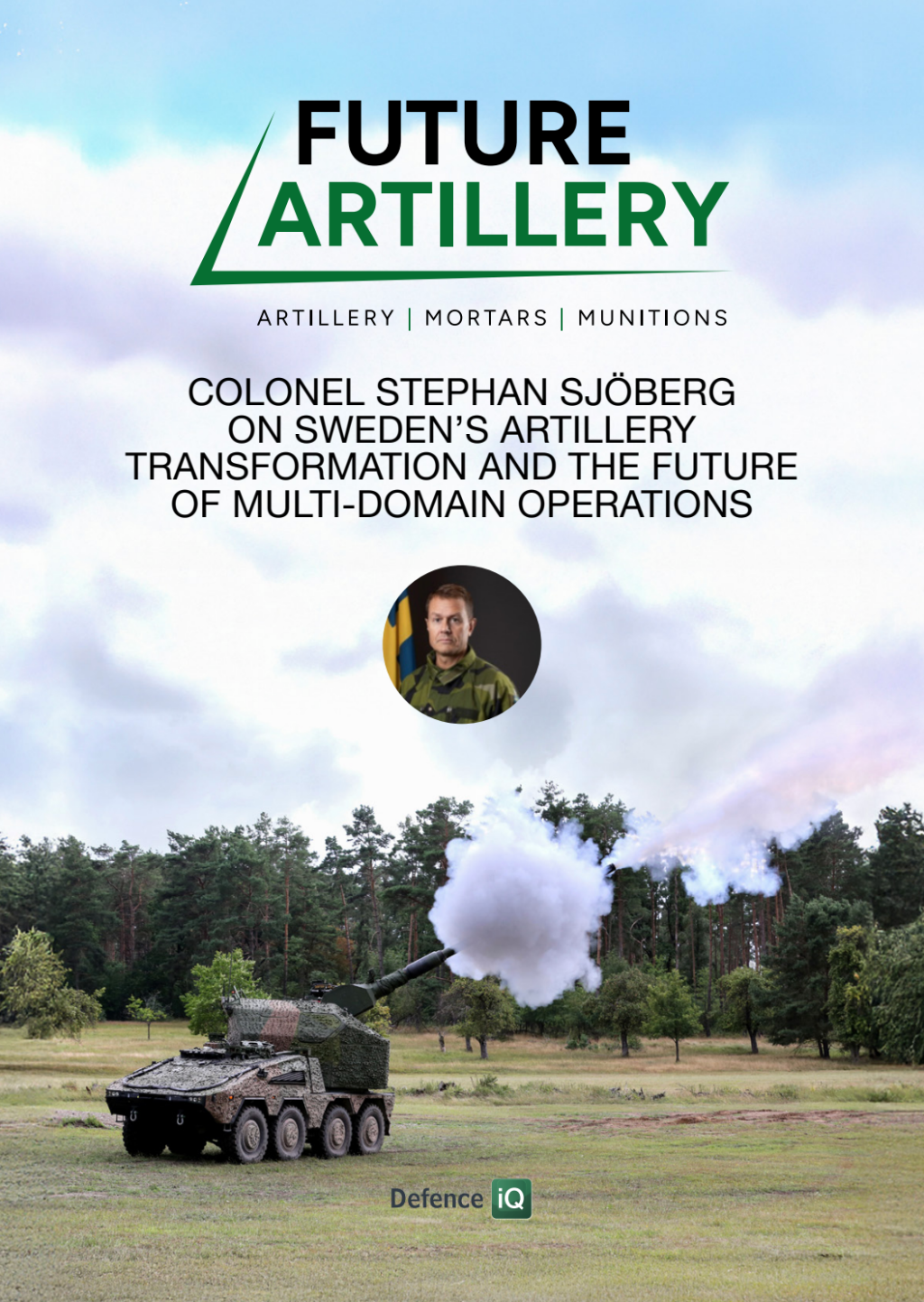
Colonel Stephan Sjöberg On Sweden's Artillery Transformation and The Future of Multi-Domain Operations
Precision fires, deep strike capabilities, and the integration of intelligence, sensors, and effectors across domains are reshaping how land forces operate and how military leaders think about firepower. For Sweden, this transformation is particularly significant. Following years in which artillery capabilities were reduced, the Swedish Armed Forces are now rapidly rebuilding and modernising their fires capability as part of a broader shift in national defence posture and integration into NATO. Ahead of Defence IQ's Future Artillery Conference, we spoke with Colonel Stephan Sjöberg, Chief of Artillery for the Swedish Armed Forces, about the lessons shaping Sweden's artillery resurgence, the growing importance of multi-domain operations, and the role of innovation, cooperation, and resilience in future fires capabilities.
The Future of Artillery: Key Programmes Shaping 2027
Artillery has re-emerged as a decisive capability in modern warfare, driving major investment and modernisation efforts across the globe. This report highlights the most significant artillery programmes shaping the future of indirect fires, from next-generation self-propelled howitzers and precision rocket systems to large-scale procurement initiatives and digital fires integration. Discover how leading military powers are adapting their artillery capabilities to meet the demands of high-intensity, multi-domain operations.
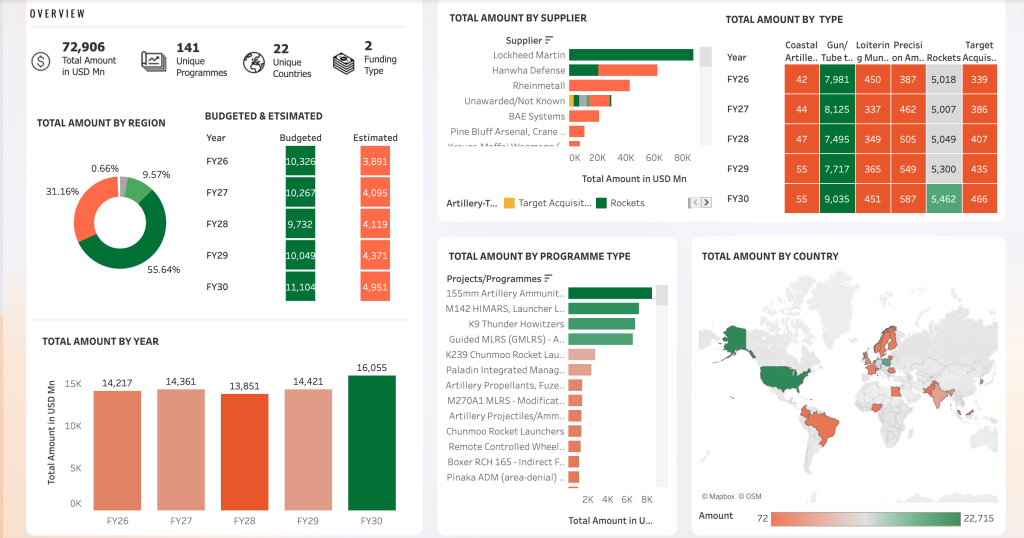
Future Artillery Interactive Market Report 2026
The Future Artillery Interactive Market Report is designed to give defence stakeholders a clear, evidence-based view of how the global artillery landscape is evolving. It brings together market data, capability trends, procurement activity, and regional analysis into a single, interactive format that allows users to explore the market at both a strategic and programme-specific level. Users can interrogate data by geography, platform type, calibre, and end user, enabling more informed decision-making for capability development, investment planning, and competitive positioning. For military planners, industry leaders, and analysts, it provides a practical tool to understand where demand is emerging, how requirements are shifting, and which technologies and suppliers are shaping the future of artillery capability.
The Top 10 Artillery Programmes Shaping the Future of Indirect Fires
Artillery has re-emerged as one of the most decisive capabilities in modern land warfare. High-intensity conflict in Ukraine, the return of large-scale manoeuvre warfare, and the realities of persistent surveillance and counter-battery threats have forced militaries to reassess the role, scale, and survivability of their fires capabilities. As a result, artillery modernisation is both strategic and central to national deterrence and warfighting doctrine.
This list highlights some of the most significant artillery programmes currently shaping the global market - offering a focused snapshot of where investment is concentrated, which capabilities are being prioritised, and how leading militaries are responding to operational lessons from recent conflicts. With Future Artillery 2026 approaching this May, this overview provides a useful reference point for understanding the strategic context behind current procurement decisions, setting the scene for deeper discussions around capability development, interoperability, industrial capacity, and the future of fires in multi-domain operations.
Event Information

Future Artillery Attendee Snapshot
Future Artillery attracts the world's leading military commanders, procurement specialists, and industry pioneers to shape the future of artillery, firepower, and long-range fires. As the 2027 event takes shape, explore the 2026 attendee snapshot to see the senior military decision-makers, government representatives, and industry leaders who attended the previous edition, providing a benchmark for the high-level audience you can expect at Future Artillery 2027.
Partnership Information

Partnership Prospectus
Future Artillery is the world's largest fires forum, bringing together defence leaders, military strategists, and industry innovators to shape the future of artillery and long-range fires. While partnership opportunities for the 2027 event are being finalised, explore the 2026 Partnership Prospectus to discover the calibre of organisations involved, the engagement opportunities available, and how partners connected directly with senior military decision-makers in an environment designed for meaningful networking and collaboration.
In Partnership With:

QUESTIONS?
Address: IQPC Ltd, 129 Wilton Road,
London SW1V 1JZ
Telephone: +44 (0) 113 210 042
Fax: 44 (0) 207 368 9301
Email: enquire@iqpc.co.uk

©2026 IQPC. All rights reserved.