Deployed Medical & Healthcare Delivery | Content Library
Industry Insights

How Synthetic Blood Could Transform Military Healthcare in Future Conflicts
Ukraine has taught us that blood solutions are vital to saving lives at the point of injury. So, with defence medical services seeking to strengthen resilience and readiness, one question is gaining increasing attention: could synthetic blood be the breakthrough that transforms military healthcare and ensures lifesaving care remains consistently accessible?
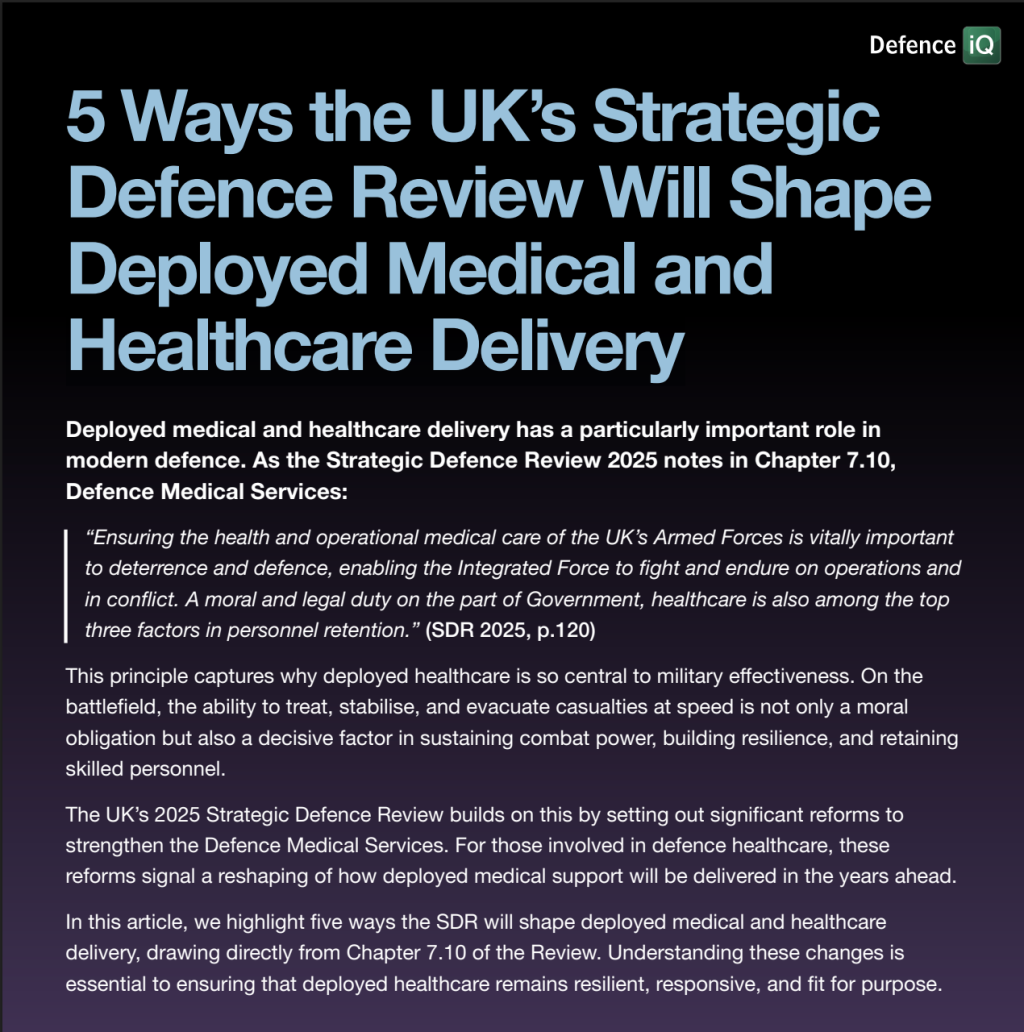
5 Ways the UK’s Strategic Defence Review Will Shape Deployed Medical and Healthcare Delivery
This useful listicle takes a closer look at the UK Strategic Defence Review 2025, Chapter 7.10: Defence Medical Services, and identifies the key reforms most relevant to deployed medical and healthcare delivery. By distilling the Review into five core themes, the piece provides a clear, accessible overview of how government policy will translate into frontline capability. Each section highlights not only what the SDR commits to, but also why it matters for those responsible for delivering care in operational environments.
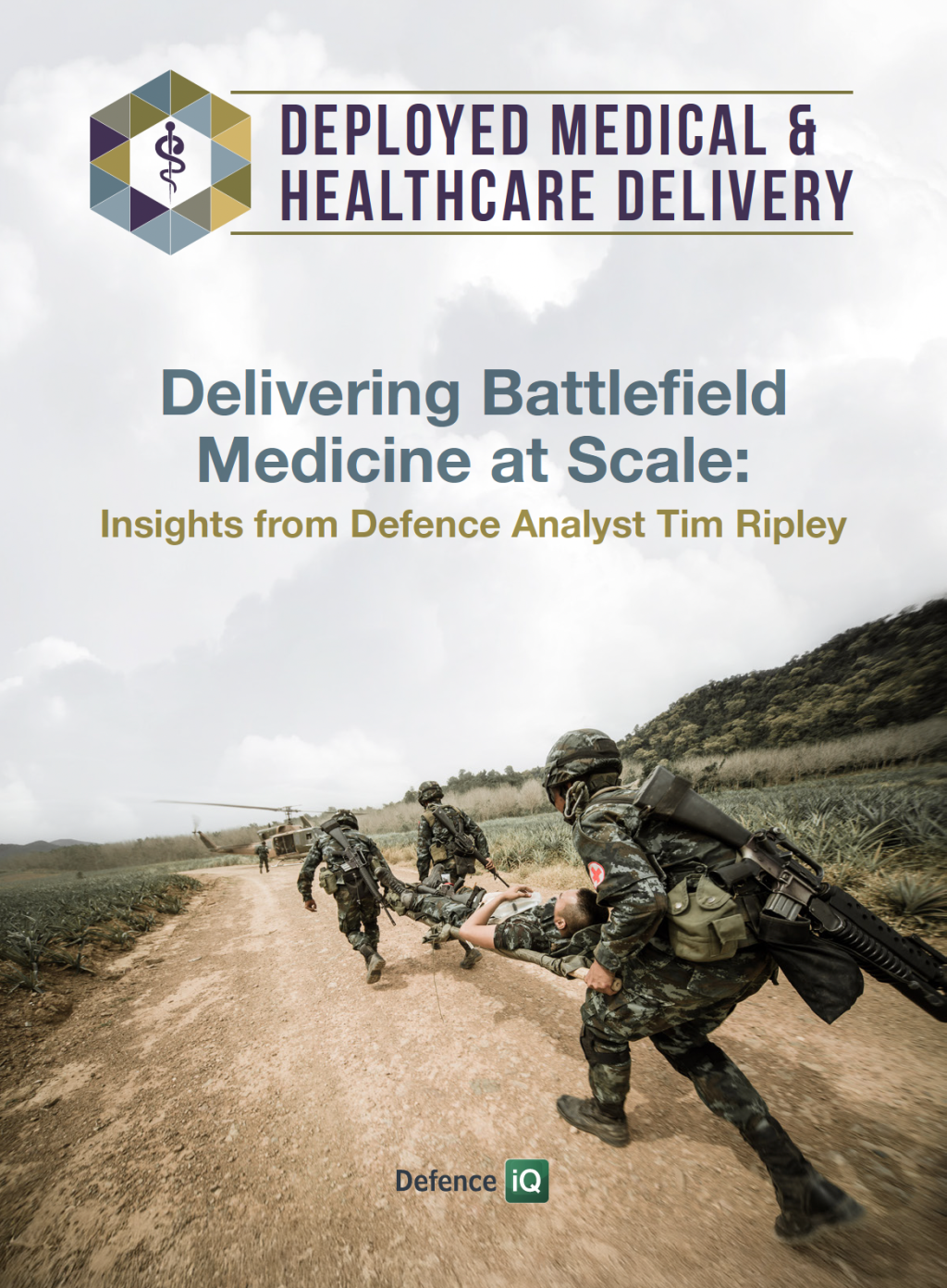
Delivering Battlefield Medicine at Scale: Insights from Defence Analyst Tim Ripley
The brutal realities of modern warfare continue to reshape expectations for military medicine. In his latest piece, defence analyst Tim Ripley explores how battlefield care must keep up in order to meet new demands.
Drawing on lessons from Ukraine, he highlights how drone surveillance, peer-on-peer threats and mass casualty events are forcing NATO forces to rethink evacuation chains and medical doctrine alike. Ripley examines what this shift means for the future - from pushing life-saving expertise closer to the frontlines to harnessing digital tools and portable technologies that could transform survival rates in high-intensity conflict.
Stay at the forefront and download your copy today!
Event Information
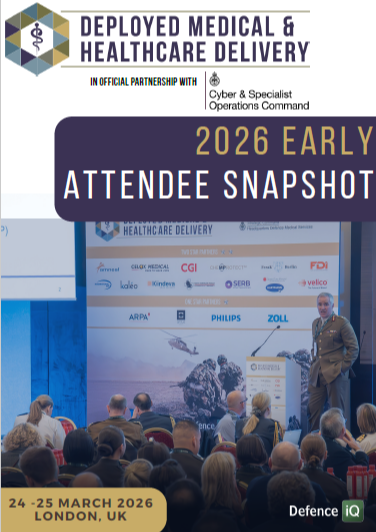
Attendee Snapshot 2026
Review the military medical planners and industry capability providers confirmed to attend Deployed Medical & Healthcare. The snapshot below shows the accounts and job titles attending, helping you identify relevant contacts before the event.
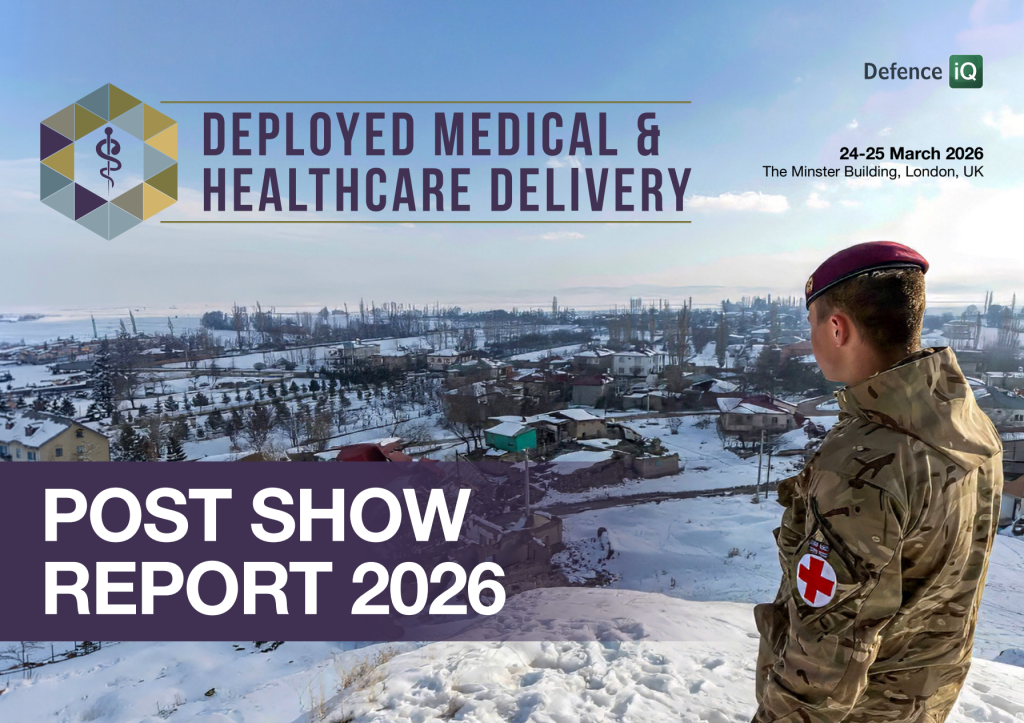
Deployed Medical and Healthcare Delivery Post Show Report 2026
On 24–25 March 2026, Deployed Medical & Healthcare Delivery brought together over 400 attendees representing 13 nations at The Minster Building, London, UK. The event convened senior military medical leaders and healthcare professionals, including Surgeons General, Command Surgeons, Directors General and Medical Component Commanders, to address the challenges of delivering effective medical support in deployed environments. Through international collaboration and knowledge sharing, the conference provided an important forum for strengthening medical readiness, resilience and interoperability across allied forces.
This Post Show Report serves as a useful resource covering the key takeaways and highlights from another successful DMHD event.
Sponsorship enquiry
2027 Deployed Medical & Healthcare Delivery - 2027 Concept Agenda
Check out the Deployed Medical & Healthcare Delivery - 2027 Concept Agenda, and explore:
- 2027 Early Confirmed Expert Speakers
- Producer's Welcome
- What's New for 2027?
- Day 1 - Agenda at a Glance
- Day 2 - Agenda at a Glance
If you have any questions, please contact Jess Wyatt - partner@defenceiq.com

2027 Deployed Medical & Healthcare Delivery - 2027 Floor Plan
View the Deployed Medical & Healthcare Delivery - 2027 Floor Plan, and explore:
- Remaining Expo Booths
- Sponsors joining the Expo Floor
If you have any questions, please reach out to Jess Wyatt - partner@defenceiq.com
2027 Deployed Medical & Healthcare Delivery - 2027 Vendor Prospectus
View the 2027 Deployed Medical & Healthcare Delivery - Partnership Prospectus and explore:
- Event Overview
- What's New For 2027
- Attendee Breakdown
- Who You Can Meet Onsite
- Partnership Opportunities
- Attendee Testimonials
2027 Deployed Medical & Healthcare Delivery - 2026 Post Show Report
View the Deployed Medical & Healthcare Delivery - 2026 Post Show Report, and explore:
- Audience breakdown
- Chairmen's Summary
- Conference Insights
- Highlights Reel
- Testimonials
If you have any questions, please contact Jess Wyatt - partner@defenceiq.com
2027 Deployed Medical & Healthcare Delivery - 2026 Attendee Snapshot
Check out the Deployed Medical & Healthcare Delivery - 2026 Attendee Snapshot, and explore:
- Attendee Organisations
- Attendee Job Titles
- 2026 Event Sponsors & Partners
If you have any questions, please reach out to Jess Wyatt - Divisional Sales Director - partner@defenceiq.com
In Partnership With:

QUESTIONS?
Address: IQPC Ltd, 129 Wilton Road,
London SW1V 1JZ
Telephone: +44 (0) 113 210 042
Fax: 44 (0) 207 368 9301
Email: enquire@iqpc.co.uk

©2026 IQPC. All rights reserved.