Full Spectrum Air Defence Day 1 | 23 June 2026
7:00 - 8:05
REGISTRATION AND REFRESHMENTS
8:05 - 8:10
CHAIRMAN'S OPENING REMARKS
Major General (Ret'd) Gary Deakin CBE -
Former Chief of Staff,
NATO Joint Force Command


BOLSTERING CURRENT IAMD CAPABILITIES
8:10 - 8:30
KEYNOTE: NATO IAMD PRIORITIES FOR PEACETIME, CRISIS, AND CONFLICT
• Priorities of CAOC Torrejón to plan, coordinate, and control air operations
• Ensuring mission readiness to respond to evolving threats
• Bolstering preparedness for overseeing NATO Air Policing in southern Europe
8:30 - 9:00
RESERVED FOR INDUSTRY INSIGHTS
9:00 - 9:30
LATEST IN MISSILE THREATS AND DEFENCE IN THE MIDDLE EAST AND LESSONS OBSERVED FROM RECENT CONFLICTS
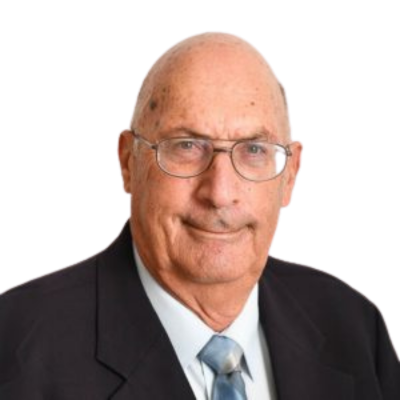
Uzi Rubin -
Former Director,
Institute for Strategy and Security

9:30 - 10:00
INDUSTRY INSIGHTS FORM THALES
10:00 - 10:30
PROCUREMENT PRIORITIES FOR EUROPEAN AIR AND MISSILE DEFENCE
• Procurement priorities for closing vulnerability gaps
• Reinforcing ballistic missile defence as a key pillar of the European Sky Shield Initiative
• Bolstering multi-domain air and missile defence
10:30 - 11:00
INDUSTRY INSIGHTS FROM LEONARDO DRS
11:00 - 11:30
MORNING COFFEE AND NETWORKING BREAK
DEFINING THE VISION FOR INTEGRATED AIR AND MISSILE DEFENCE
11:30 - 12:00
INDUSTRY INSIGHTS FROM DIEHL DEFENCE
12:00 - 12:30
UK’S APPROACH TO IAMD: PRIORITIES FOR A RESILIENT AND FUTURE-READY FORCE
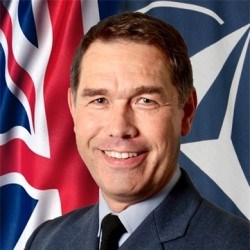
Air Vice-Marshal Andrew Martin -
Director,
IAMD Directorate, Military Strategic Headquarters
• Building a layered architecture for a coherent national IAMD posture
• Accelerating capability modernisation to respond to evolving threats
• Strengthening interoperability with allies and partners

12:30 - 13:00
INDUSTRY INSIGHTS: MULTI-DOMAIN AIR AND MISSILE DEFENCE IN ACTION
13:00 - 13:30
GOLDEN DOME FOR AMERICA: DEFINING THE VISION FOR A NATIONAL MISSILE DEFENCE ARCHITECTURE
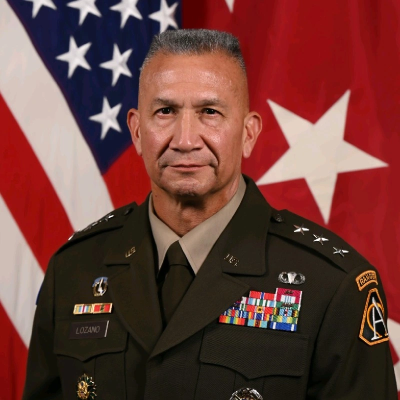
Lieutenant General Frank Lozano -
Portfolio Acquisition Executive Fires,
United States Army
• Modernising the Army’s missile and space portfolio for multi-domain operations
• Priorities for the Golden Dome Architecture
• Preparing for evolving threats through the PAE Fires construc

13:30 - 14:30
LUNCH AND NETWORKING BREAK
KEEPING PACE WITH EVOLVING THREATS AND DEMANDS FOR INNOVATION
14:30 - 15:00
ANY MISSION, ANYWHERE, ANYTIME, ANYONE; THE CHANGING UK, ARRC AND STRATEGIC RESERVE CORPS PERSPECTIVES ON NATO ARMY ORGANIC AIR DEFENCE AND DEFENDING THE FIELDED FORC
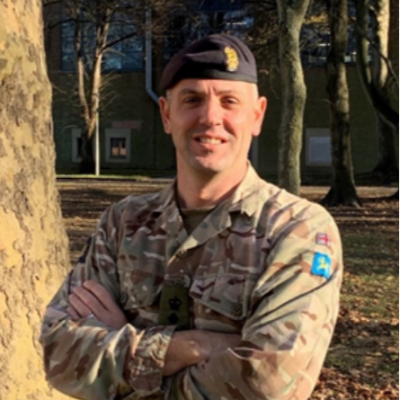
Colonel Stuart Hay -
Commander 7 Air Defence Group,
British Army
• Learning and observations from large-scale NATO exercises
• Impact on Army Organic Air Defence choices
• Preparing for evolving threats

15:00 - 15:40
INDUSTRY LEADERS PANEL: SUPPORTING THE NEED FOR INTEGRATED AIR AND MISSILE DEFENCE
• What are the realities of multi-layered air defence in terms of interoperability as capabilities need to be fielded rapidly? How commercially viable are plug and play, and ‘good
enough’ solutions?
• How are industry preparing for the long-term, and considering future requirements to respond to the evolving threat landscape?
• What is industry’s approach to keeping pace with demands for innovation, as well as demands for higher quantities of products?
• How is the proliferation of UAS impacting the approach to development, integration, and interoperability?
• As IAMD systems become more interconnected, how must collaboration across the supply chain evolve to ensure interoperability while controlling costs?
15:40 - 16:10
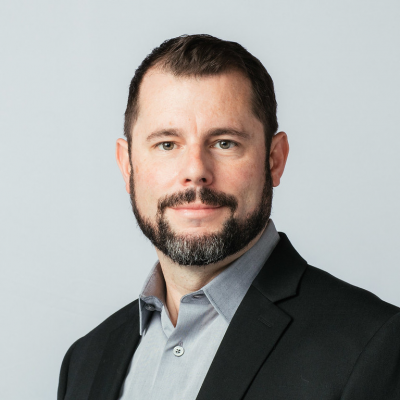
INDUSTRY INSIGHTS FROM ECHODYNE
Tom Driscoll -
Co-Founder & CTO,
Echodyne

16:10 - 16:40
AFTERNOON TEA AND NETWORKING BREAK
PRIORITISING INTEGRATION AND INTEROPERABILITY ACROSS DOMAINS
16:40 - 17:10
ENHANCING COLLABORATION TO ACHIEVE READINESS
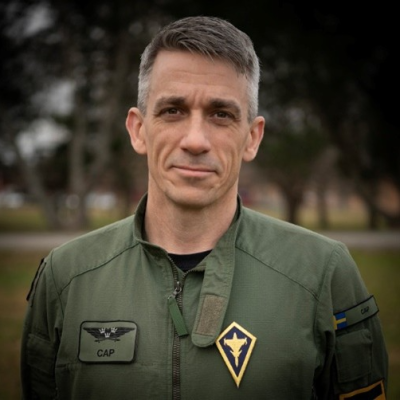
Brigadier General Jörgen Axelsson -
Director Nordic Division,
Swedish Air Force
• Instilling a ‘work as you fight’ alongside a ‘train as you fight’ mentality
• A NATO-first approach to IAMD for credible deterrence
• Priorities for the Nordic Division

17:10 - 17:40
INDUSTRY INSIGHTS FROM HANWHA AEROSPACE
17:40 - 18:20
PANEL DISCUSSION: ENHANCING INTEGRATION OF AMD ACROSS DOMAINS
Major General (Ret'd) Gary Deakin CBE -
Former Chief of Staff,
NATO Joint Force Command
Tom Driscoll - Co-Founder & CTO, Echodyne
• How are integrated systems that operative across domains enabling faster, more efficient, comprehensive protection against diverse threats?
• What are the biggest technical and organizational challenges in connecting multiple layers of C2 systems, and how can military and industry partners work together to
overcome them?
• How can closer collaboration between the military and industry accelerate interoperability while keeping integrated IAMD systems adaptable and cost-effective?
17:40 - 18:10
STRENGTHENING NLD GROUND-BASED AIR DEFENCE
Colonel Olav Spanjer -
Commander, Netherlands Groundbased Air Defence Command,
Netherlands Army
• Enhancing layered architecture to adapt to an evolving threat environment
• Modernising C2 capabilities
• Bolstering multinational interoperability
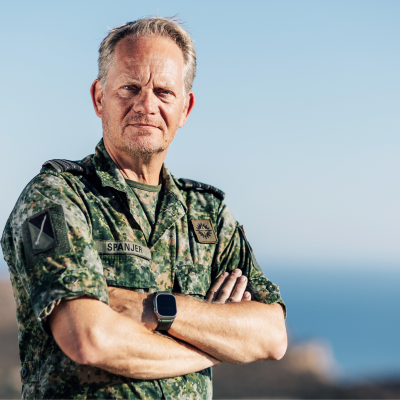
Colonel Olav Spanjer
Commander, Netherlands Groundbased Air Defence CommandNetherlands Army