Exclusive Content

Uncrewed Naval Systems - Agenda
Defence iQ is pleased to present the Uncrewed Naval Systems 2026 agenda, outlining the key discussions, priorities, and capability challenges shaping this year's programme.
Taking place on 13-14 October in Tróia, Portugal, the event will explore how uncrewed and autonomous systems are transforming maritime operations, with a strong focus on integration and experimentation outcomes.
In association with REPMUS26, this year's conference will draw on lessons from NATO's largest unmanned maritime exercise, discussions will focus on how successful concepts are translated into deployed capability, delivering systems that can persist, adapt and operate when conditions are degraded.
This year's agenda addresses the key operational challenges facing navies today, with insights from the Black Sea conflict, surveillance across the Baltic, Arctic and North Sea, and tensions at the Strait of Hormuz. Perspectives from the U.S. Navy, Romanian Navy and Ukrainian Naval Forces will demonstrate how uncrewed systems are already being used to impose cost, sustain maritime access and enhance situational awareness in active theatres.
Download the 2026 agenda to see the depth, technical focus, and forward-looking content you can expect.
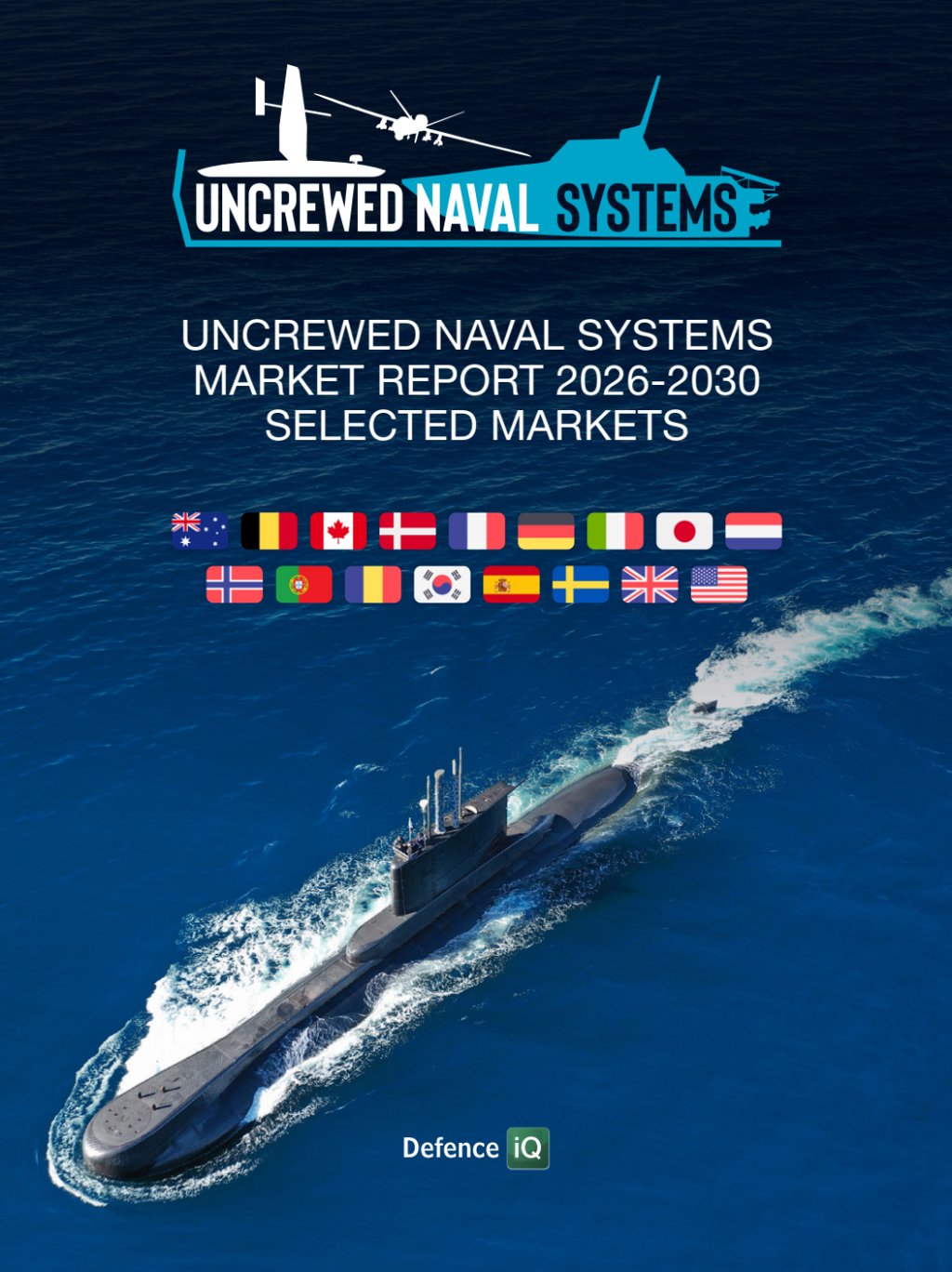
Uncrewed Naval Systems Market Report 2026-2030 Selected Markets
The seabed and uncrewed naval systems market is experiencing rapid growth, driven by regional instabilities, technological progress, rising defence budgets and evolving naval warfare strategies. The Russia–Ukraine conflict has sharply accelerated interest in naval drones, with NATO allies expanding their fleets of uncrewed surface vessels (USVs) and uncrewed underwater vehicles (UUVs) to strengthen coastal defence and maritime security. Nations worldwide are increasingly integrating uncrewed aerial vehicles (UAVs), USVs and UUVs into their naval forces to enhance intelligence, surveillance and reconnaissance (ISR), mine countermeasures and anti-submarine warfare (ASW) capabilities.
Download the Uncrewed Naval Systems Market Report to discover all the latest trends and forecasts in this evolving domain.
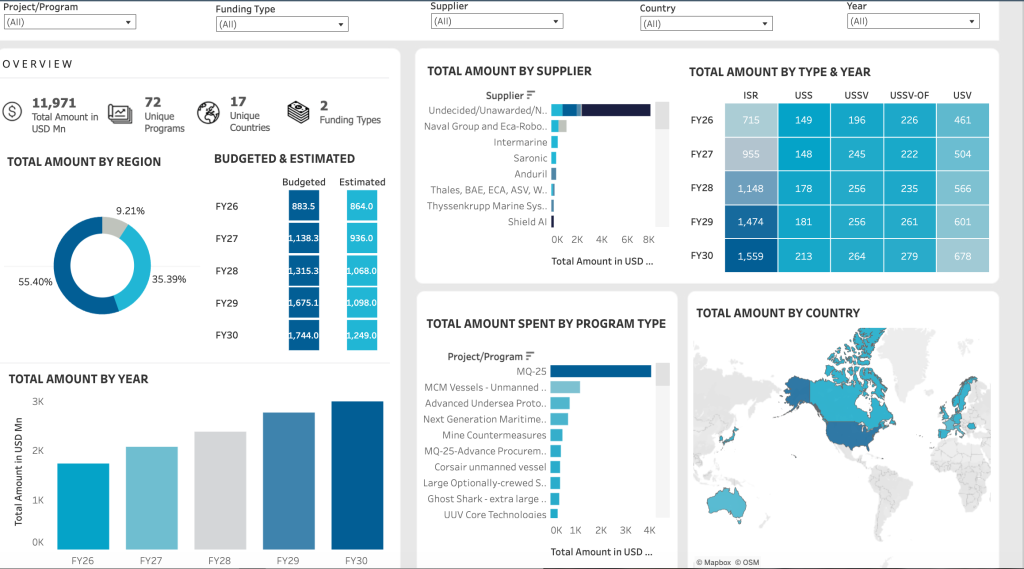
Seabed Security and Uncrewed Naval Systems Interactive Market Report 2026
The Seabed Security and Uncrewed Naval Systems Interactive Market Report 2026 provides a concise overview of the evolving technologies, programmes, and organisations shaping activity across the subsea domain. Designed as an interactive and easy-to-navigate resource, the report allows readers to quickly explore key market players, emerging capabilities, and the systems supporting the protection and monitoring of critical undersea infrastructure. Published ahead of the Uncrewed Naval Systems conference (13–14 October 2026, Troia, Portugal), the report serves as a useful briefing tool for professionals operating across the undersea ecosystem. By bringing together relevant companies, technologies, and market insights in one accessible format, it enables military, government, and industry stakeholders to familiarise themselves with the landscape before the event and identify potential partners, solutions, and discussion points for the conference.
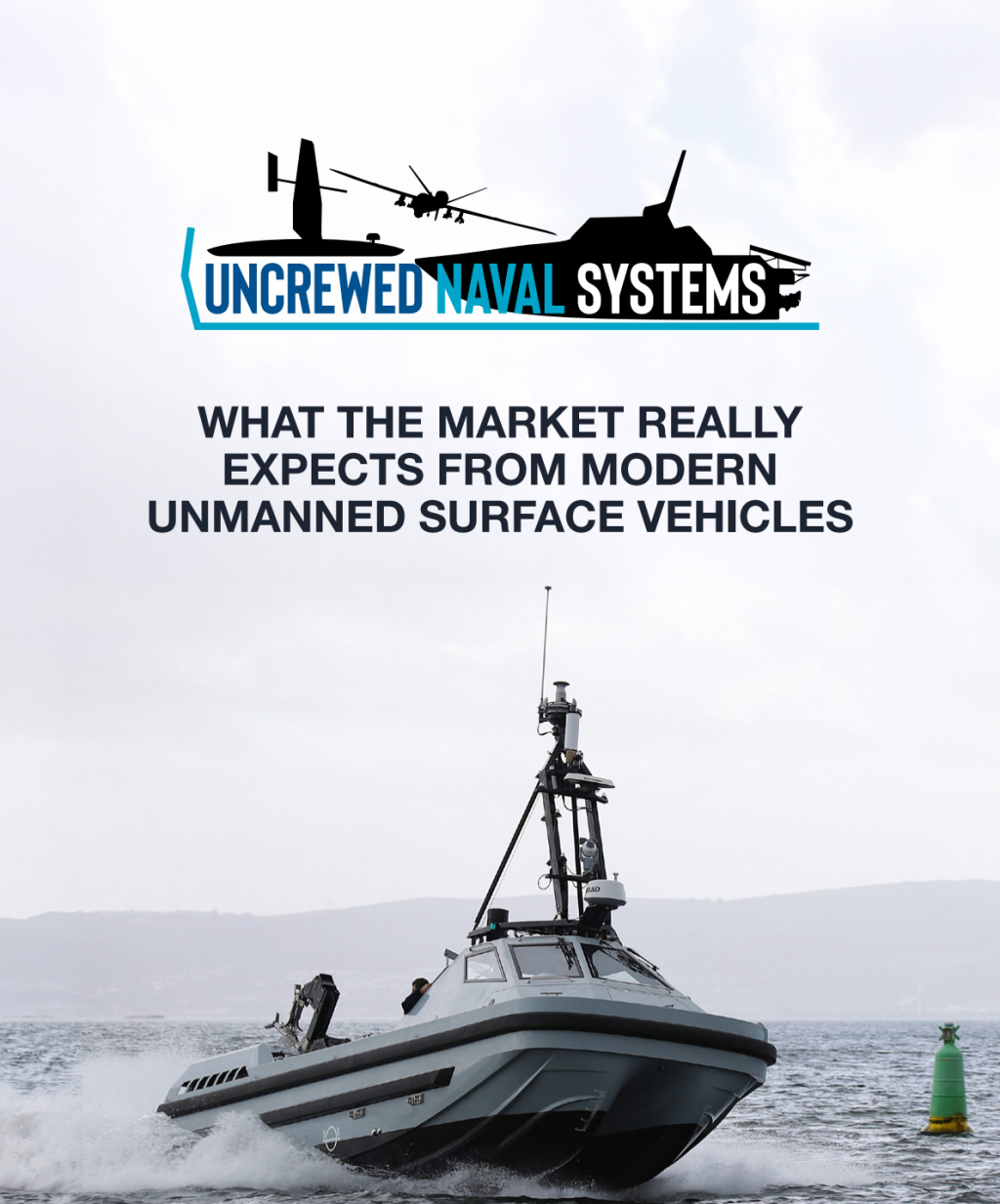
What the Market Really Expects from Modern Unmanned Surface Vehicles
The emergence of unmanned platforms across all domains of warfare has fundamentally altered how modern militaries conceptualize and execute combat operations. In the maritime domain, this transformation has been particularly pronounced: whereas large surface combatants once defined naval power projection, small, agile, and increasingly autonomous platforms are now reshaping tactical and operational calculus. The war in Ukraine has provided perhaps the most striking contemporary illustration of this shift - Ukrainian maritime drones have repeatedly struck Russian naval assets worth hundreds of millions of dollars, demonstrating that asymmetric capabilities can neutralize conventional naval superiority at a fraction of the cost. This dynamic has prompted navies, coast guards, and defence procurement agencies worldwide to accelerate their investment in unmanned surface vehicles. Yet as demand grows, so does the gap between what manufacturers are producing and what operators require.
Download Datadriven's expert analysis to discover the key capability thresholds a modern USV must meet to remain genuinely competitive in today's market.
Uncrewed Naval Systems Post Show Report 2025
Our Uncrewed Naval Systems 2025 Post-Show Report captures the key insights and outcomes from Defence IQ’s exceptional event on uncrewed and autonomous technologies at sea. Held in London from 15–16 July, the conference united senior naval leaders, government representatives, industry innovators, and research experts from more than 20 nations. The report explores how uncrewed systems are shaping naval priorities, particularly in:
- Mine countermeasures and anti-submarine warfare
- ISR and protection of critical underwater infrastructure
It also provides:
- Exclusive insights into national capability roadmaps and procurement priorities
- Lessons from real-world operations and experimentation
- Perspectives on the role of autonomy, AI, and digital innovation in future naval strategy
For defence professionals, this report offers a clear view of where uncrewed naval systems stand today—and where they are heading.

Uncrewed Naval Systems Interactive Market Report
Explore the latest trends and investment priorities shaping the future of uncrewed naval systems in this interactive market report. Built for customisability, the tool allows you to dive into real-time data across global regions and better understand the landscape driving naval innovation.
Key insights include:
- Annual and regional defence spending forecasts
- Programme volume and distribution by type
- Total spend by country and programme classification
- Supplier analysis, including total contract value by type
Whether you're a solution provider, programme leader, or strategic decision-maker, this tool offers a powerful overview of global developments and procurement priorities in the maritime uncrewed systems domain.
Use the filters to tailor the data to your needs and gain strategic insight into where the opportunities lie.

The Future of Maritime Defence in an Uncrewed Era: An Exclusive Interview With Jürgen Scraback
In this exclusive interview, Jürgen Scraback, Head of Unit Maritime Domain at the European Defence Agency, shares his expert insights on the rise of uncrewed naval systems and the critical shift required in defence thinking. From regulatory alignment and interoperability to the ethical use of autonomy and the future of seabed warfare, Scraback outlines how Europe is reimagining naval operations for a new era. This must-read Q&A offers an exciting preview of the upcoming Uncrewed Naval Systems conference and the strategic priorities shaping tomorrow’s maritime domain.

Uncrewed Naval Systems: Market Report 2025-2029
The Uncrewed Naval Systems Market Report offers an in-depth analysis of global defence investments in uncrewed and seabed maritime technologies. Covering 16 key nations, including the U.S., UK, France, Australia, and Japan, the report explores trends driving growth in USVs, UUVs, UAVs, and seabed surveillance systems. With detailed forecasts, programme breakdowns, and market values expected to reach US$3 billion by 2029, this essential resource provides defence professionals and industry stakeholders with strategic insights into the future of autonomous maritime warfare.

Global Investments in Uncrewed Naval Systems 2025-2026 Infographic
This infographic shows the projected growth of the uncrewed naval systems (UNS) market, highlighting rising investment in USVs, USSVs, shipborne UAVs, and advanced seabed sensors that will drive the future of naval capability.

The Rise of Uncrewed Naval Systems - An Exclusive Interview With David Manley
In this exclusive interview, Professor David Manley – Technical Authority for Maritime Survivability at the UK Ministry of Defence and Professor of Naval Architecture at University College London – shares his expert perspective on the developing role of uncrewed systems in naval operations.
Manley draws upon his dual expertise in survivability and warship design in order to provide a comprehensive overview of how uncrewed systems (UXVs) are reshaping maritime defence strategy. He outlines the opportunities and limitations of current technologies, noting their growing importance in reducing risk to personnel, enhancing situational awareness, and enabling bold operational decisions.
Key topics addressed in the interview include:
* Strategic wargaming is helping NATO explore and refine the operational use of uncrewed systems.
* Communication challenges remain a major barrier, particularly for underwater UXVs.
* Swarming drone tactics demand urgent investment in cost-effective countermeasures.
* UXVs are offering asymmetric advantages in recent conflicts, including in Ukraine and the Red Sea.
* The underwater domain is seen as the next frontier for innovation, driven by AI and communication advances.
This discussion helped set the stage at Uncrewed Naval Systems 2025, where Professor Manley shared further findings and engaged with global defence leaders on the future of maritime operations. These insights offer a useful indication of the level of expertise and debate you can expect in the room next October at Uncrewed Naval Systems 2026.

Uncrewed Systems Market Report, Selected Nations 2024-2029
The ground and air uncrewed systems market in our targeted regions is expected to grow at a CAGR of 8.1% until 2029. The reasons for this growth are driven by a range of factors that vary across nations. However, the maturation of certain technologies combined with the demands demonstrated by recent, ongoing, and anticipated conflicts strongly indicates the inevitable "robotisation" of the battlefield.
This report highlights some of the most significant programmes relating to uncrewed systems in Australia, India, Israel, Italy, the Netherlands, South Korea, Spain, Turkey, the UK, and the U.S. It serves as an essential resource for understanding the current landscape of these critical technologies.

Unmanned Systems International Programme and Budget Snapshot 2024-2029
Our Unmanned Systems International Programme and Budget Snapshot 2024-2029 highlights the spending forecast per programme up to FY 2029 while also highlighting speakers and documents that may help the reader better understand future trends to be better prepared for the robotisation of the battlefield.

Delivering Unmanned Aerial Systems to the Field In Record Time Interview with Captain Dennis Monagle, Program Manager PMA 266 Multi-Mission Tactical UAS Naval Air Systems Command (NAVAIR)
Uncrewed systems and the technology around them continue to evolve rapidly, calling for greater speed and agility in procurement. We were privileged to interview Captain Dennis Monagle, who faced these challenges head-on.
Here, we explored how the captain was able to speed up procurement while still fulfilling his obligations to his stakeholders of delivering ISR-capable Unmanned Aerial Systems to the Fleet. Through effective partnerships and strong knowledge of the procurement vehicles, MQ-9 Reapers were readied in record time.
In Partnership With:
QUESTIONS?
Address: IQPC Ltd, 129 Wilton Road,
London SW1V 1JZ
Telephone: +44 (0) 113 210 042
Fax: 44 (0) 207 368 9301
Email: enquire@iqpc.co.uk

©2026 IQPC. All rights reserved.