Agenda
8:00 am - 8:30 am
Conference Open: Welcome to Secure Australia 2026
8:40 am - 8:50 am
Chairperson’s Opening Remarks
Rear Admiral Lee Goddard -
Former Commander Maritime Border Command & Operation Sovereign Borders,
Royal Australian Navy
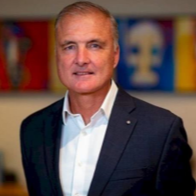
Rear Admiral Lee Goddard
Former Commander Maritime Border Command & Operation Sovereign BordersRoyal Australian Navy
8:50 am - 9:20 am
Opening Keynote Panel: From Autonomy to Advantage: Defending Australia in a Contested Indo-Pacific
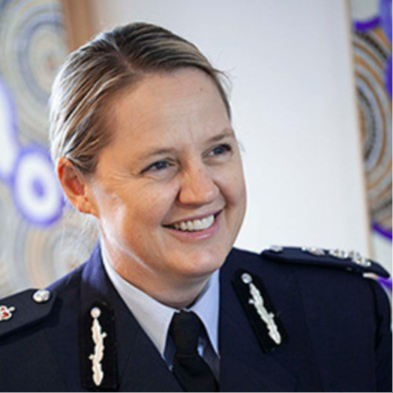
Helen Schneider -
Acting Assistant Commissioner,
Australian Federal Police
Brigadier General Leighton James - Director General Air & Space Readiness, Royal Canadian Air Force
A frank assessment of the threat environment - great power competition, grey zone operations, and the pace of military modernisation reshaping Australia's strategic calculus.
The threat landscape in 2026: what great power competition and regional military modernisation mean for Australia's force design and investment priorities
Deterrence in the age of autonomy: how AI and autonomous systems are changing the calculus of conflict prevention and what Australia must field to remain credible
The window for action: why the decisions made in the next 24 months define Australia's strategic position for the next two decades

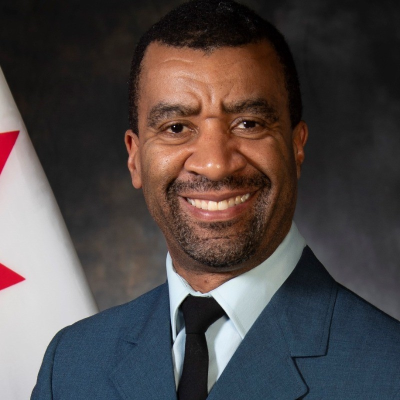
Brigadier General Leighton James
Director General Air & Space ReadinessRoyal Canadian Air Force

9:20 am - 9:40 am
Keynote: AUKUS Pillar II: Accelerating the Shared Technology Edge
David Nockels -
First Assistant Secretary, Defence Trade, Regulation and AUKUS Advanced Capabili,
Department of Defence
AUKUS Pillar II is where the alliance is generating real procurement and technology-sharing activity right now - AI, autonomy, quantum, cyber, and electronic warfare. This keynote examines what is actually being shared, built, and accelerated between Australia, the US, and the UK - and what Australian industry must do to capture it.
Pillar II in practice: which advanced capability programs - AI, quantum, cyber, autonomous systems, EW - are generating real procurement activity in 2026
The technology transfer pathway: how shared development and technology transfer actually works between the three nations, and where the friction points are
The industrial readiness question: whether Australian industry has the capacity, clearances, and capability to capture the Pillar II dividend
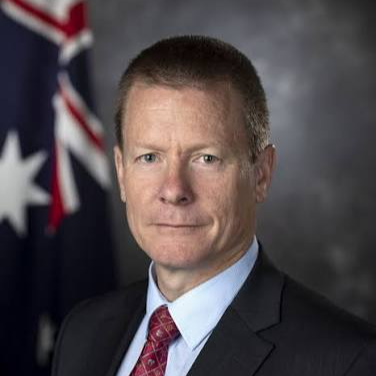
David Nockels
First Assistant Secretary, Defence Trade, Regulation and AUKUS Advanced CapabiliDepartment of Defence

9:40 am - 10:10 am
Case Study Case Study by Advanced Navigation
Connect with peers from across Defence, government, and industry. Visit the exhibition floor for live demos of AI, data, and autonomous capability in action.
Sponsored by: Advanced Navigation

10:10 am - 10:35 am
Panel: Redesigning the ADF: AI, Autonomy, and the Force of the Future
Professor Michael Milford -
Chief Investigator, Australian Centre for Robotic Vision,
Queensland University of Technology
Dr. Anthony Szabo - Assistant Chief Platforms, Defence Science and Technology Group
From Ghost Bat to autonomous maritime systems, from AI-enabled command to sovereign robotics - Australia's force design is being rebuilt around autonomous capability. This panel examines the strategic logic, the hard trade-offs, and what it means for every organisation in the room.
Strategic logic of the autonomous force: why AI and autonomous systems are not just capability additions but a fundamental redesign of how Australia deters, projects force, and fights
The trade-off conversation: where investment in autonomous mass requires difficult decisions about legacy platforms, crewed systems, and procurement programs
From concept to fielded force: the timelines, risks, and milestones that matter on the path to a genuinely autonomous-capable ADF

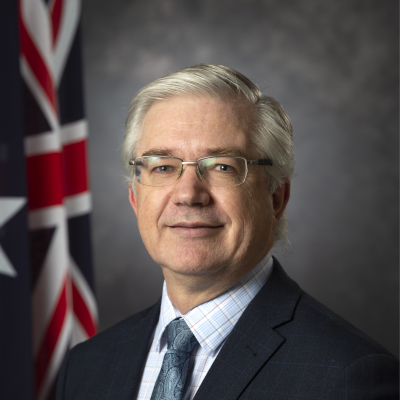
Professor Michael Milford
Chief Investigator, Australian Centre for Robotic VisionQueensland University of Technology

10:35 am - 11:05 am
Panel: AI Command and Decision Superiority
Dr. Nigel McGinty -
Chief Human and Decision Sciences,
Defence Science and Technology Group
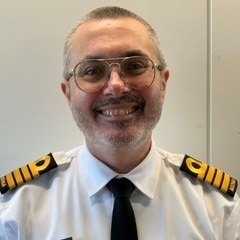
Captain Dean Battilana - Director Undersea Warfare and Data, Royal Australian Navy
Prof Michelle Gee - Assistant Chief Information Sciences, Defence Science and Technology Group (DSTG)
AI is being embedded into ADF command systems, ISR, and mission planning at pace - but the data architecture, governance frameworks, and human-machine doctrine required to trust AI at operational speed are still catching up. This panel examines what genuine decision superiority actually requires.
Trusting AI at command speed: where AI-enabled decision support is already operational, and where commanders still do not trust the system enough to act on it
The data architecture behind decision superiority: why AI command tools are only as good as the data fusion and interoperability work happening underneath them
Closing the gap before adversaries do: what it will take for Australia to achieve genuine decision superiority on a relevant timeline
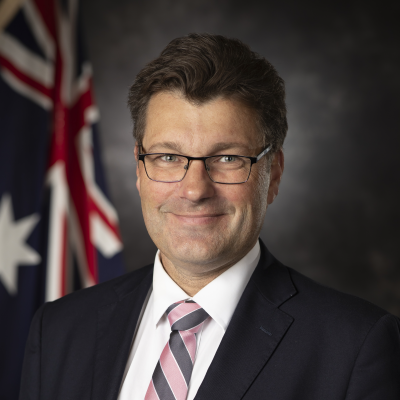

Prof Michelle Gee
Assistant Chief Information SciencesDefence Science and Technology Group (DSTG)
11:05 am - 11:30 am
Morning Break - Coffee, Connections and Command-Level Conversations
Join the expo hall for a relaxed networking lunch. For invited guests, exclusive VIP Lunches run concurrently - senior leaders and select partners in high-impact off-the-record discussion. By invitation only.
11:30 am - 11:50 am
Fireside Chat: Next-Gen Airpower: Ghost Bat, Loyal Wingman, and AI-Enabled Air Combat
Air Commodore Angus Porter -
Director General Air Combat Capability,
Royal Australian Air Force
The RAAF is at the cutting edge of human-machine teaming - deploying loyal wingman technology, AI-enabled ISR, and next-generation air combat capability. This session examines how the air domain is being transformed by autonomy and what Ghost Bat means for allied interoperability.
Ghost Bat and the loyal wingman concept: what the MQ-28 program has delivered, where it sits in the capability maturity cycle, and what it means for RAAF force structure
AI in air combat: how machine intelligence is changing mission planning, target identification, and the human-machine decision boundary in contested air environments
Allied interoperability: how Australia's autonomous air capability integrates with US and UK systems under AUKUS Pillar II
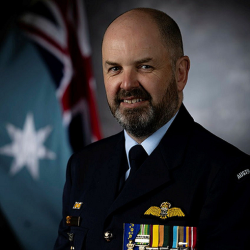
Air Commodore Angus Porter
Director General Air Combat CapabilityRoyal Australian Air Force

11:50 am - 12:20 pm
Panel: Smart Scale- Delivering Affordable Autonomous Mass Across the Domains
Colonel Jake Penley -
Director G58 (Army Advanced Capabilities),
Australiam Army, Future Land Warfare
Dr. Simon Crase - Group Leader Aerial Systems Autonomy branch, Defence Science Technology Group
The 2025 conversation on delivering affordable mass was one of the defining sessions of Secure Australia. In 2026 the question has moved from 'can we do it' to 'how fast can we scale it'. Army, Navy, and Air Force voices alongside industry examine what it actually takes to field autonomous systems at scale.
Integration in practice: the real-world challenges of embedding autonomous platforms into existing ADF force structures, command systems, and joint operations frameworks
Procurement pathways: how the ADF is accelerating acquisition of autonomous systems outside traditional procurement timelines
Sovereign manufacturing imperative: why Australian-made autonomous systems are a strategic necessity, not just an economic preference
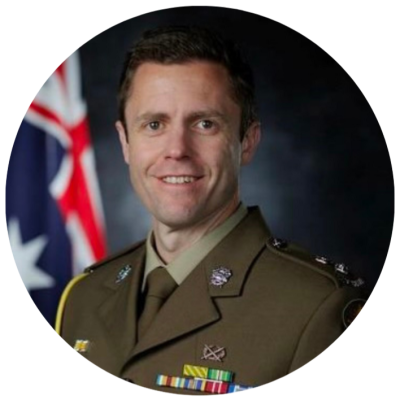
Colonel Jake Penley
Director G58 (Army Advanced Capabilities)Australiam Army, Future Land Warfare


Dr. Simon Crase
Group Leader Aerial Systems Autonomy branchDefence Science Technology Group
12:20 pm - 12:40 pm
Case Study: Counter-UAS and the Drone Threat: Defending Against Autonomous Mass
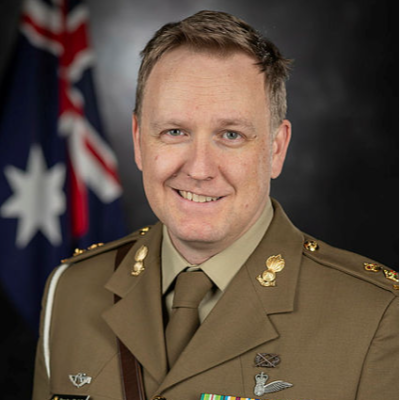
Lieutenant Colonel Brendon Gledhill -
SO1 C-sUAS Integration,
Australian Army
As autonomous systems proliferate, the threat they pose to Defence and security operations is as significant as the capability they provide. This session examines the counter-UAS challenge - how Australia is building its drone defeat capability and how AI and electronic warfare are being applied to detect, track, and mitigate uncrewed threats.
The drone threat landscape: what state and non-state actors are deploying globally, and where Australia's current counter-UAS capability sits
Defeat systems in practice: the layered approach to counter-UAS across kinetic, electronic warfare, and AI-enabled detection - what options are available and what is being developed
Sovereign counter-UAS: why Australia cannot rely solely on allied defeat systems and what domestic industry is building to close the gap

12:40 pm - 1:10 pm
Panel: Flying Without a Pilot: What Air Force Readiness Looks Like in an Autonomous Era
Air Commodore Angus Porter -
Director General Air Combat Capability,
Royal Australian Air Force
Air Commodore James Badgery - Director General Defence Aviation Safety Authority, Royal Australian Air Force
As uncrewed platforms, AI-assisted decision support and human-machine teaming move from trial to frontline capability, the RAAF faces a fundamental question: what does it actually take to call an autonomous air system mission-ready? This session unpacks how the Air Force is rewriting certification; training and support models built for a crewed force to fit one that increasingly isn't.
Certifying the uncertifiable: how existing airworthiness and readiness standards are being adapted — or replaced — to account for autonomous and AI-enabled platforms
Building the workforce behind the machine: the new skills, roles and training pathways needed for aircrew, maintainers and commanders to operate and trust autonomous systems
Keeping it flying: the sustainment and sovereign support challenge of maintaining autonomous air platforms in the field, without the traditional crewed-aircraft supply chain to lean on
Air Commodore Angus Porter
Director General Air Combat CapabilityRoyal Australian Air Force
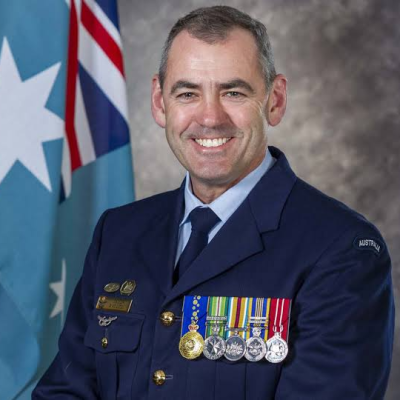
Air Commodore James Badgery
Director General Defence Aviation Safety AuthorityRoyal Australian Air Force

1:10 pm - 1:30 pm
Case Study Case Study by ICEYE
Sponsored by: ICEYE

1:30 pm - 2:15 pm
Networking Lunch and VIP Hosted Lunches
2:15 pm - 2:45 pm
Panel: Operational Readiness in the Age of Autonomy: Building Deployable Capability
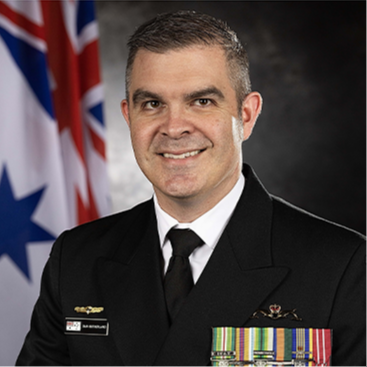
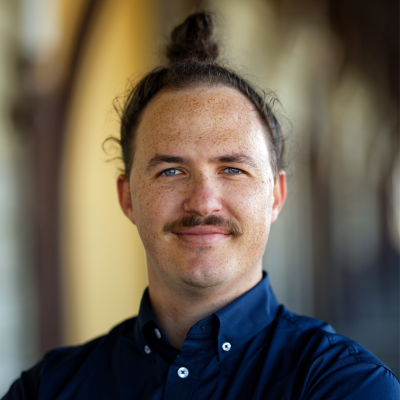
Cdre. Daniel Sutherland -
Commander Submarine Force,
Royal Australian Navy
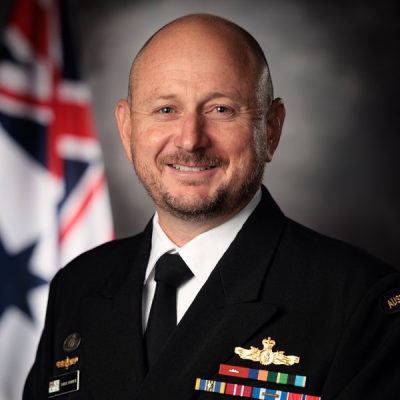
Commodore Sands Skinner - Director General Seaworthiness, Royal Australian Navy
Harry Hubbert - Chief Operating Officer, Greenroom Robotics
What does operational readiness actually mean when your force includes autonomous systems, AI-enabled command tools, and human-machine teams? This session examines how the ADF is building the frameworks required to field autonomous capability at scale.
Redefining readiness: what it means to certify an autonomous system as operationally ready - and why frameworks built for crewed platforms do not fully apply
Training the autonomous force: how the ADF is building the operator, maintainer, and commander skills required to field and sustain autonomous systems at scale
Sustainment in the field: what the logistics and maintenance pipeline for autonomous systems looks like - and where sovereign support capability is critical
Sponsored by: Greenroom Robotics


2:45 pm - 3:05 pm
Session: The Connected Battlespace: Multi-Domain Operations at the Speed of Relevance
This session examines the C4ISR architecture and data fusion challenges being built right now to make multi-domain operations real - connecting sensors, shooters, and decision-makers across all five domains.
The integration challenge: why connecting sensors, shooters, and decision systems across five domains is harder than any individual platform investment
Data fusion at operational speed: how the ADF is building the real-time data architecture that multi-domain operations require - and where the gaps are slowing delivery
AUKUS interoperability: what true interoperability with US and UK systems requires at the data and command level
3:05 pm - 3:25 pm
Case Study: AI-Driven Logistics, Maintenance and Sustainment in Defence Operations
Wing Commander Keirin Joyce -
Deputy Director of Disruptive Experimentation,
Royal Australian Airforce
Autonomy does not end at the platform - it extends across the entire support chain. This session examines how AI and autonomous systems are transforming defence logistics, predictive maintenance, and sustainment operations.
Predictive maintenance at scale: how AI is transforming the ADF's approach to platform sustainment - reducing unplanned downtime and cutting the cost of maintaining complex autonomous systems
Autonomous logistics: how uncrewed systems are being deployed in the sustainment and resupply chain - from forward operating bases to maritime replenishment
Sovereign sustainment: why Australia cannot rely on offshore support chains for its most critical autonomous systems
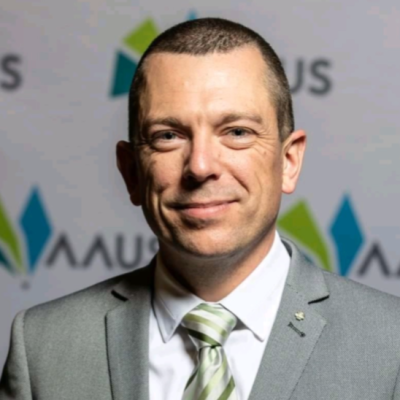
Wing Commander Keirin Joyce
Deputy Director of Disruptive ExperimentationRoyal Australian Airforce

3:25 pm - 3:55 pm
Fireside Chat: Scaling Autonomous Logistics: From Air and Sea Capability to Joint Sustainment Advantage
Wing Commander Keirin Joyce -
Deputy Director of Disruptive Experimentation,
Royal Australian Airforce
Captain David Turner - Director Navy Strategic Logistics, Royal Australian Navy Aviation
A cross-service conversation on how autonomous systems are reshaping defence logistics across air and maritime environments, and what is required to move from individual capability initiatives to a connected, joint sustainment advantage.
The discussion would explore:
Lessons across domains: What air and maritime autonomy initiatives reveal about the future of Defence logistics and sustainment
From capability to scale: The challenges of integrating autonomous logistics into a broader joint Defence operating model
The barriers to adoption: Addressing data, infrastructure, workforce and integration challenges required for operational scale
Building resilient sustainment: Developing sovereign support networks to ensure autonomous capability remains available when it matters most
Wing Commander Keirin Joyce
Deputy Director of Disruptive ExperimentationRoyal Australian Airforce
Captain David Turner
Director Navy Strategic LogisticsRoyal Australian Navy Aviation
3:55 pm - 4:15 pm
Case Study: Quantum Advantage: Navigation, Sensing and Communications in GPS-Denied Environments
Quantum technologies are moving from laboratory to field - and for autonomous systems operating in GPS-denied and spectrum-contested environments they are becoming critical. This session examines where Australia's sovereign quantum capability sits today and the path to operational deployment.
Quantum navigation in practice: how quantum inertial sensing and diamond NV vector sensors are solving the GPS-denied navigation problem for autonomous platforms
Quantum sensing and detection: how quantum sensors are enabling new detection capabilities in underwater surveillance and signals intelligence that classical sensors cannot match
The path to the field: what it takes to transition quantum technology from research to operational ADF capability
Sponsored by: Q-CTRL

4:15 pm - 4:40 pm
Afternoon Break - Coffee, Connections and Command-Level Conversations
Connect with peers from across Defence, government, and industry. Visit the exhibition floor for live demos of AI, data, and autonomous capability in action.
4:40 pm - 5:00 pm
Spotlight Session - Hosted by Shield AI
Industry Case Study from Shield AI
Sponsored by: Shield AI

5:00 pm - 5:20 pm
Keynote: Building preparedness and resilience of the National Support Base as a key contribution to national security
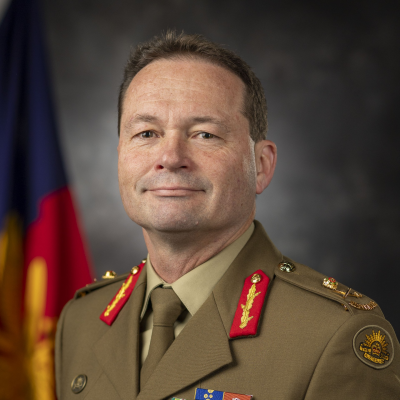
Major General Jason Walk -
Head National Support,
Australian Army / Department of Defence
The Defence requirements of the National Support Base
Partnerships that enable the uplift of the preparedness and resilience of the National Support Base

5:20 pm - 5:50 pm
Panel: Sovereign or Vulnerable: Building the Industrial Capability Behind Autonomous Mass, AI, and the Technologies of Command
Major General Jason Walk -
Head National Support,
Australian Army / Department of Defence
Major General Hugh Meggitt - Head Advanced Strategic Capabilities Accelerator, Advanced Strategic Capabilities Accelerator
Professor Sascha Bachmann - Professor of Public and International Law, University of Canberra
Can Australia's industrial base actually deliver the autonomous systems, AI infrastructure, and quantum capability the IIP commits to? This panel confronts the hardest questions of sovereign capability for the specific technologies this event is about.
The capacity gap for the technologies that matter most: autonomous platforms, AI infrastructure, and quantum sensing - and where Australia's industrial base is furthest behind
SMEs versus primes in the autonomy and AI supply chain: who actually builds the sovereign capability this event is about
Accelerating sovereign manufacturing for command-relevant technology: what ASCA and reformed procurement pathways are doing to pull AI, autonomy, and quantum capability into the IIP faster
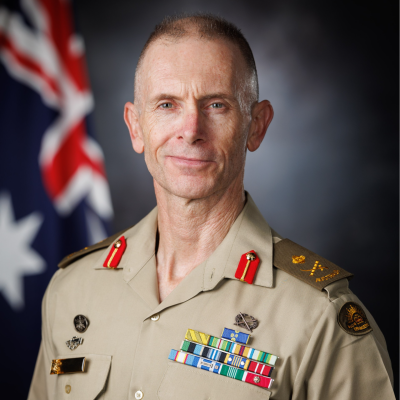
Major General Hugh Meggitt
Head Advanced Strategic Capabilities AcceleratorAdvanced Strategic Capabilities Accelerator


5:50 pm - 6:00 pm
Closing Discussion: From Capability to Command: What This Room Does Next
Rear Admiral Lee Goddard -
Former Commander Maritime Border Command & Operation Sovereign Borders,
Royal Australian Navy
The conference chair and a senior closing speaker bring the day to a close - not by reviewing what was said, but by setting out what must happen between now and Secure Australia 2027 for capability to genuinely become command.
The single biggest gap in the room: the one capability-to-command gap every delegate recognised today, named plainly
The direct challenge: what is the one thing you will do differently in your organisationng this week
The standard for 2027: what this community will hold itself to when it reconvenes - action, not just conversation
Rear Admiral Lee Goddard
Former Commander Maritime Border Command & Operation Sovereign BordersRoyal Australian Navy
6:00 pm - 7:00 pm
Drinks Reception - Intelligence. Innovation. Connection.
Unwind after a day of high-intensity discussions. Join us in the exhibition hall for drinks and conversation - the perfect setting to continue the dialogue and celebrate the community driving AI, data, and autonomy across Australia's national security ecosystem.