Exclusive Content
Seabed Security and Uncrewed Naval Systems Market Report 2026-2030: Selected Markets
The Seabed Security Market Report 2026 provides a comprehensive, data-driven analysis of one of the most strategically critical and rapidly evolving domains in modern defence. As subsea infrastructure - including communication cables, energy pipelines, and surveillance systems - becomes increasingly vital to national security and economic stability, this report delivers a clear overview of the risks, investments, and capabilities shaping the global seabed security landscape. Designed specifically for a defence and security audience, the report consolidates key market trends, threat assessments, and procurement pathways, enabling military planners, policymakers, and industry stakeholders to make informed strategic decisions. It examines the evolving threat environment, outlines major capability development priorities, and highlights the technologies driving operational advantage beneath the surface.
With detailed national market profiles spanning key regions - including Europe, North America, and the Indo-Pacific - the report offers valuable insight into how different nations are approaching seabed security, from policy and programme development to investment focus and operational integration.
Download it today to stay up to date with the latest seabed security trends, investments, and national strategies shaping the future of this vital domain.
Seabed Security and The Law of The Sea: Are Existing Legal Frameworks Fit For Purpose?
As seabed activity intensifies and critical underwater infrastructure becomes increasingly central to global communications and energy systems, protecting these assets has emerged as a growing priority for governments, militaries, and industry stakeholders alike. Subsea data cables carry the vast majority of the world’s digital communications, while offshore energy infrastructure forms a critical backbone of national economies. Yet the legal frameworks governing the seabed were largely developed in a different strategic era. As threats evolve - from sabotage and grey zone activity to the growing use of autonomous underwater technologies - questions are emerging around whether existing maritime law can effectively address these challenges. Ahead of Defence iQ’s Seabed Security Conference, Professor James Kraska, Charles H. Stockton Chair of International Maritime Law at the U.S. Naval War College, shares his perspective on the adequacy of current international legal frameworks, the challenges of attribution and deterrence, and the role of national legislation in strengthening the protection of critical undersea infrastructure.
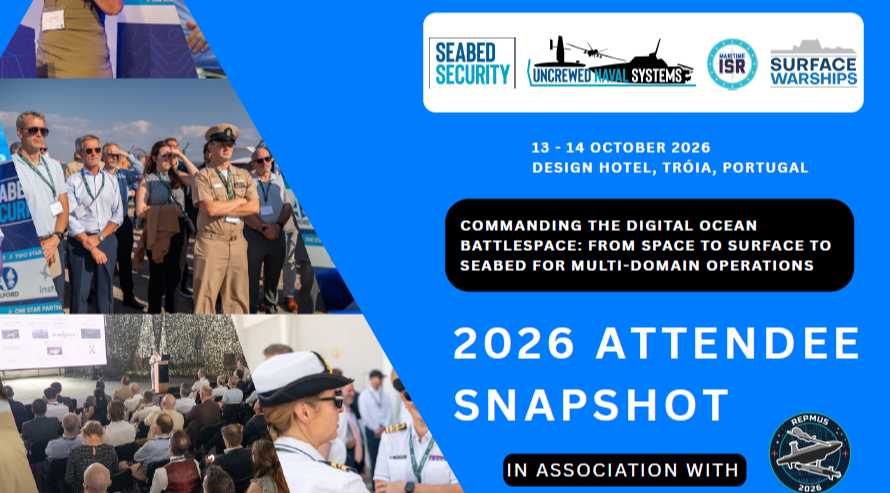
2026 Combined Attendee Snapshot
Download the combined attendee snapshot to see who you'll be able to meet at four leading naval conferences, all in one location in association with REPMUS26: Maritime ISR, Seabed Security, Surface Warships, and Uncrewed Naval Systems.
Commander Julien Le Roux on Confronting Emerging Threats to Critical Undersea Infrastructure
The seabed is no longer a blind spot. It's becoming one of the most strategically contested environments in modern defence. As activity beneath the surface increases, so too does the risk to the infrastructure that quietly underpins everything from global communications to energy supply. What was once largely overlooked is now firmly on the radar of military planners and policymakers.
In this interview, Commander Julien Le Roux brings a practitioner's perspective shaped by years at the intersection of submarine operations, engineering, and undersea warfare leadership. He outlines how the threat landscape is evolving, why ambiguity is now a defining feature of seabed operations, and what this means for how navies prepare, collaborate, and respond.

Seabed Security and Uncrewed Naval Systems Market Report 2025-2029
The seabed and uncrewed naval systems market is set to grow from US$1.7 billion in 2025 to US$3 billion by 2029. This report explores key national programmes and emerging technologies shaping the future of maritime security across leading global markets.
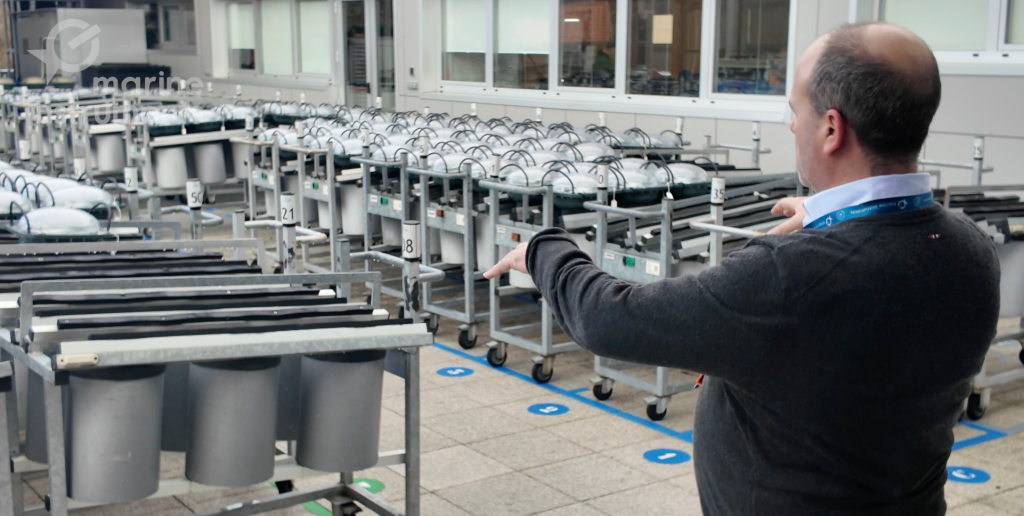
Digitalising the Ocean: Interview with Gabriel Gomez of Marine Instruments on Smart Sensors, Autonomous Systems, and Seabed Security
In this exclusive interview recorded ahead of Defence IQ’s Seabed Security conference, Gabriel Gómez, General Manager at Marine Instruments, discusses how the company’s technologies are helping to digitalise the maritime domain and strengthen the protection of critical underwater infrastructure. Drawing on Marine Instruments’ origins in fisheries technology, Gómez explains how innovations such as smart sensor buoys, solar-powered UAVs, and autonomous systems are now supporting maritime surveillance, seabed infrastructure protection, and multi-domain awareness. The conversation explores the importance of reliable data, the advantages of dual-use innovation, and the growing role of AI and autonomous platforms in securing an increasingly contested maritime environment.
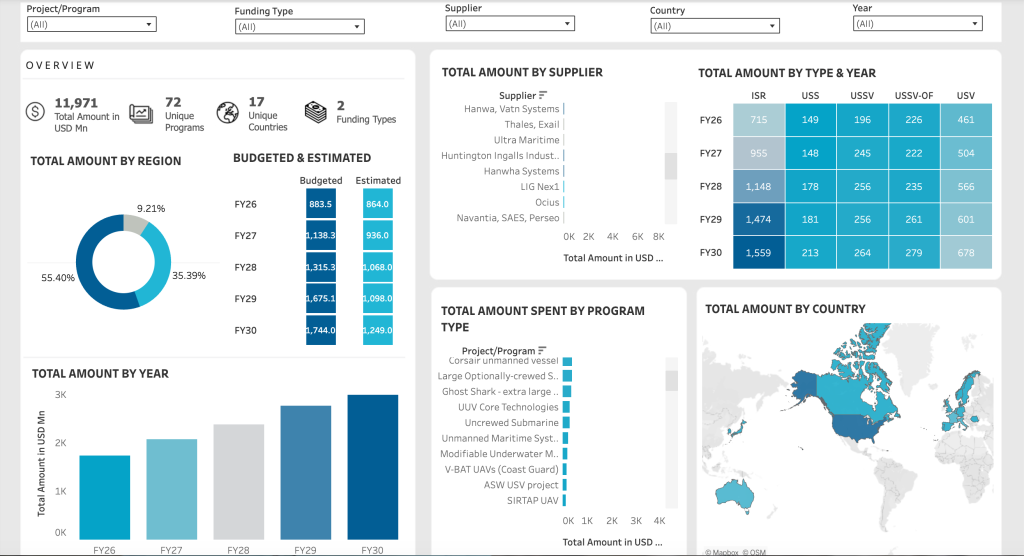
Seabed Security and Uncrewed Naval Systems Interactive Market Report 2026
The Seabed Security and Uncrewed Naval Systems Interactive Market Report 2026 provides a concise overview of the evolving technologies, programmes, and organisations shaping activity across the subsea domain. Designed as an interactive and easy-to-navigate resource, the report allows readers to quickly explore key market players, emerging capabilities, and the systems supporting the protection and monitoring of critical undersea infrastructure. Published ahead of the Seabed Security conference (13–14 October 2026, Troia, Portugal), the report serves as a useful briefing tool for professionals operating across the undersea ecosystem. By bringing together relevant companies, technologies, and market insights in one accessible format, it enables military, government, and industry stakeholders to familiarise themselves with the landscape before the event and identify potential partners, solutions, and discussion points for the conference.

Seabed Security and Related Underwater Programmes by Country
As seabed activity accelerates worldwide, the protection of critical underwater infrastructure - from data cables and pipelines to military assets - has become a strategic imperative. This infographic offers a global snapshot of national programmes and cutting-edge technologies being deployed to enhance seabed security. From autonomous underwater vehicles to advanced mine countermeasure systems, discover how countries are responding to emerging maritime threats in the undersea domain. Produced in association with Defence IQ’s Seabed Security Conference, this visual guide supports understanding of current initiatives shaping the future of undersea defence.

Tim Ripley: Seabed Warfare - Responding to New Threats and New Technological Challenges
This professional report examines the fast-emerging domain of seabed warfare - a critical but often overlooked frontier in modern defence strategy. Prompted by events such as the 2022 Nord Stream pipeline sabotage, the analysis explores how vital undersea infrastructure, including communication cables, energy pipelines, and wind farm connectors, has become a target in grey zone and hybrid conflicts. Defence journalist Tim Ripley investigates the escalating risks, the evolving capabilities of key state actors, and the innovative technologies being developed to detect, deter, and respond to threats on the ocean floor.
Attendee Snapshot
Seabed Security provides a unique opportunity to engage directly with the organisations and individuals leading this effort. Taking place in Troia, Portugal, the event will convene senior naval leaders, seabed warfare specialists, defence technologists, and programme managers to explore strategies, technologies, and collaborative approaches to securing the seabed.
To help you plan your attendance, we’ve released the attendee list, offering a clear view of the companies and job titles already confirmed. Whether you're looking to benchmark your approach, build partnerships, or gain insight into current priorities, this list shows exactly who you’ll be meeting.
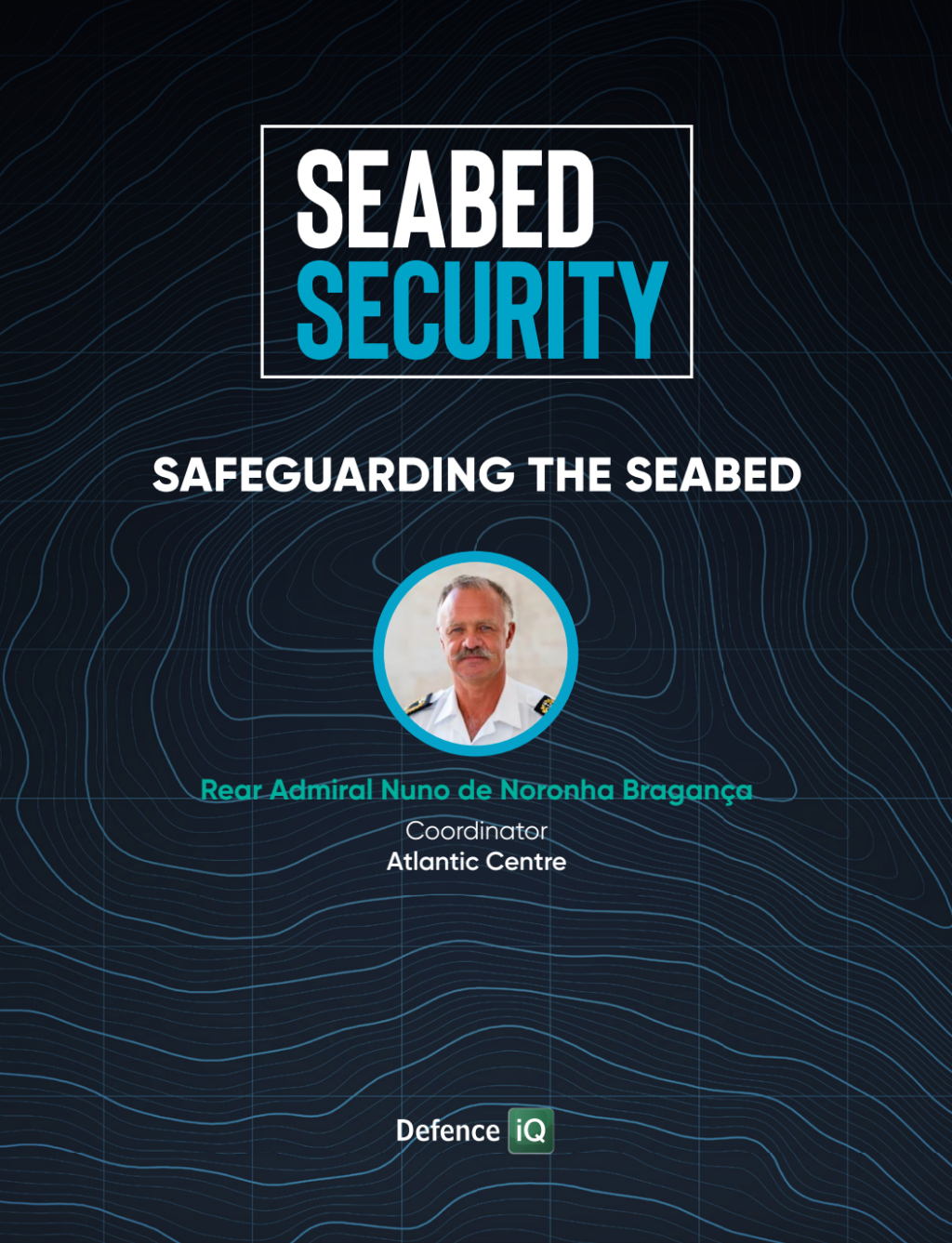
Safeguarding the Seabed: Rear Admiral Nuno De Noronha Bragança of the Atlantic Centre
The seabed has become a new frontier of strategic importance, carrying the data, energy, and resources that modern societies depend on. As risks grow from natural hazards, human activity, and deliberate threats, protecting this critical infrastructure demands greater resilience, innovation, and cooperation. In this exclusive Defence iQ interview, Rear Admiral Nuno de Noronha Bragança offers his expert insights into these challenges, drawing on his experience at the Atlantic Centre to highlight the need for collective action in safeguarding the underwater domain.
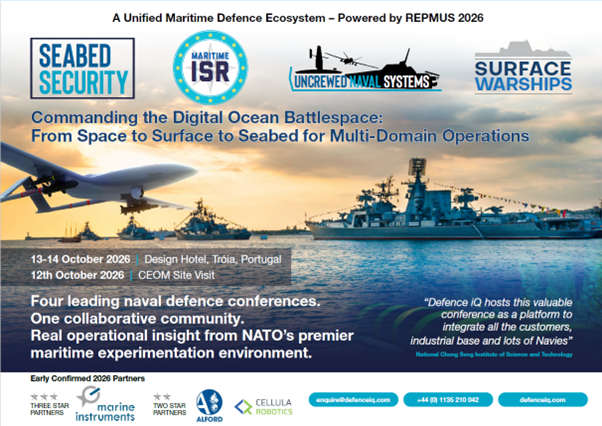
Defence iQ’s Unified Maritime Experience
The Joint Maritime Conference brings together four leading naval defence events, Seabed Security, Uncrewed Naval Systems, Maritime ISR, and Surface Warship, at a single venue in Tróia, Portugal. Delegates will gain access to cutting-edge insights, operational case studies, and opportunities to engage with senior leaders, technologists, and industry innovators across the maritime domain.
By attending, seabed security professionals can explore the latest approaches to underwater monitoring, critical infrastructure protection, and threat detection, while benefiting from exposure to complementary expertise in surface, ISR, and uncrewed naval systems.
Defence IQ's Unified Maritime Experience Combined Attendee Snapshot
New for 2026, your experience is bigger and more connected. Seabed Security is now co-located with Maritime ISR, Uncrewed Naval Systems, and Surface Warships, giving you the opportunity to network across all four communities and connect with a broader range of end users, while still benefiting from a focused seabed defence programme. In 2025, these combined events brought together over 650 professionals, creating a powerful cross-domain network that you will have even greater access to in one place. Download the 2025 combined attendee snapshot to see the organisations, roles, and decision-makers you could connect with.
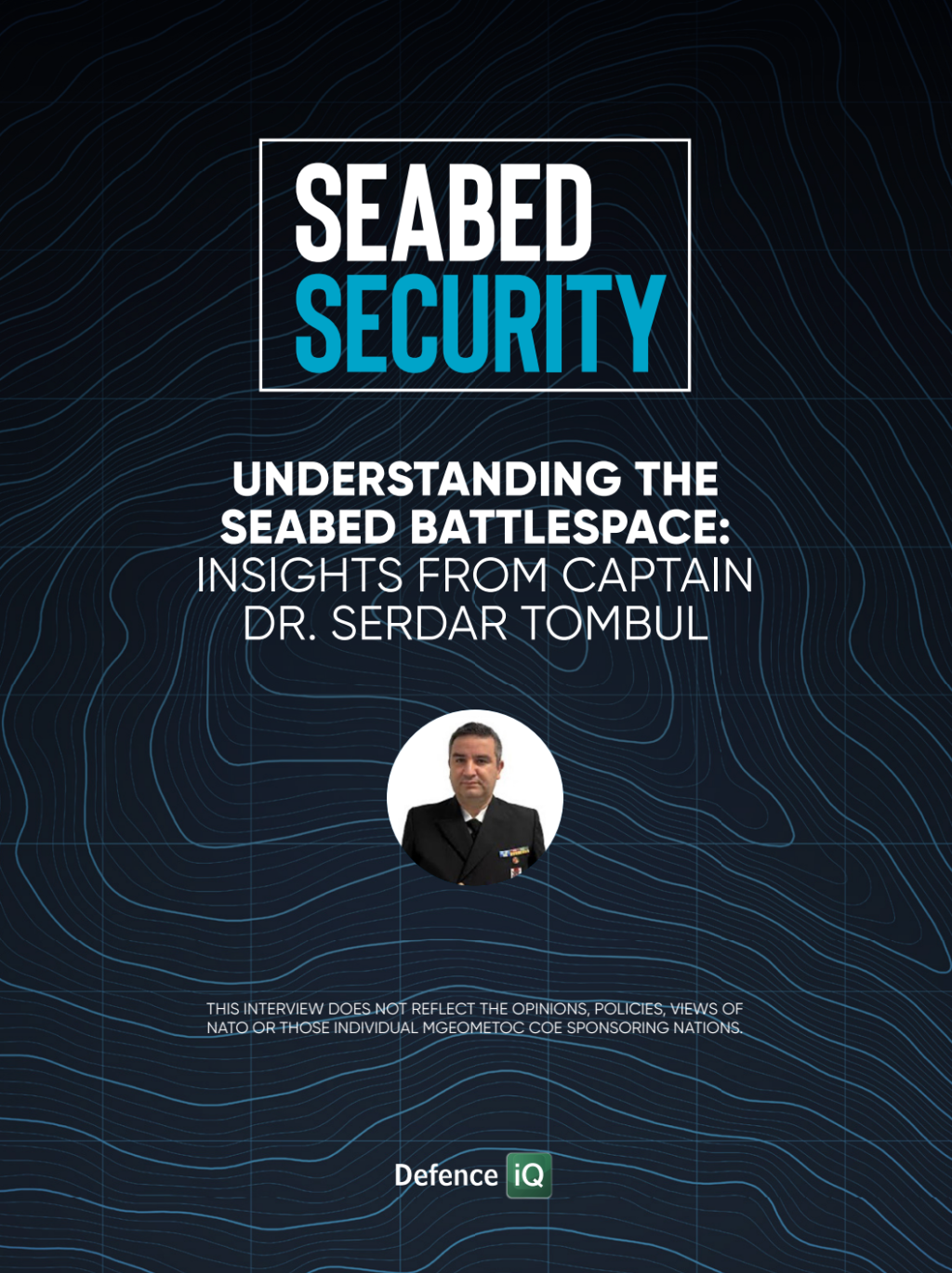
Understanding the Seabed Battlespace: Insights from Captain Dr. Serdar Tombul
The seabed is no longer a distant or secondary concern. As undersea infrastructure grows in scale and strategic importance, so too does the need to better understand the environment in which it operates. From submarine operations to advanced acoustic research and NATO-level concept development, Captain Dr. Serdar Tombul brings a perspective grounded in both operational experience and technical expertise. Ahead of Seabed Security 2026, he reflects on how environmental intelligence, evolving technologies, and closer international cooperation are reshaping how we approach the protection of critical underwater infrastructure.
Request For Approval Letter
If you're planning to attend but require internal approval, we've created a customisable Request for Approval Letter to help you demonstrate the value of attending and secure sign-off from your leadership team.
In Partnership With:
QUESTIONS?
Address: IQPC Ltd, 129 Wilton Road,
London SW1V 1JZ
Telephone: +44 (0) 113 210 042
Fax: 44 (0) 207 368 9301
Email: enquire@iqpc.co.uk

©2026 IQPC. All rights reserved.