Articles, Reports, Interviews
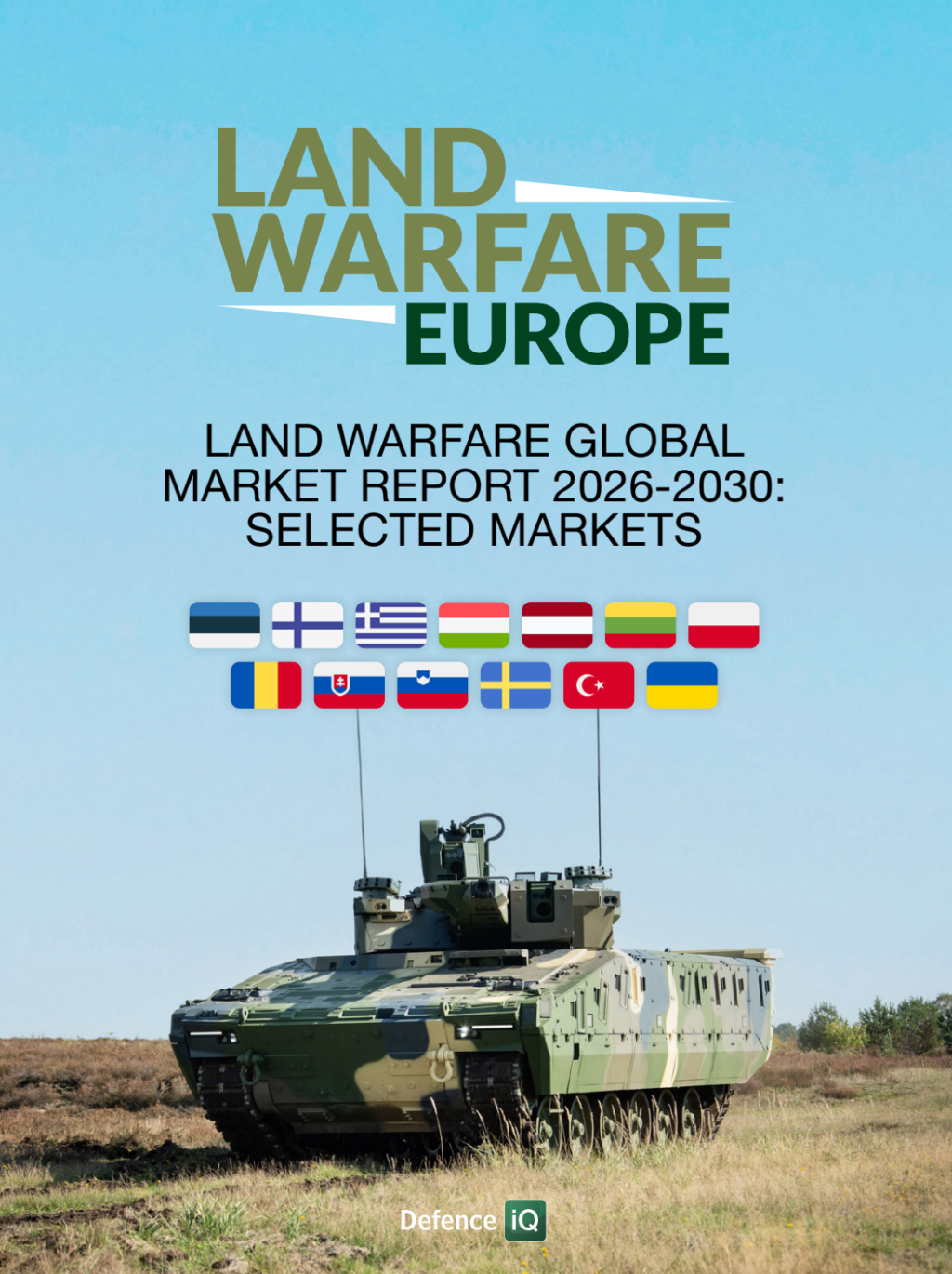
Land Warfare Global Market Report 2026-2030: Selected Markets
Defence iQ's Land Warfare Europe 2026 Market Report provides a concise overview of the trends, investment priorities and procurement activity shaping Europe's land domain. Covering strategic context, capability priorities, defence budgets, national modernisation programmes and industry developments, the report examines how European nations are adapting their land forces to meet evolving security challenges. Bringing together country-by-country analysis, market forecasts and key data tables, the report serves as a practical resource for military leaders, government stakeholders and industry professionals seeking to understand where investment is being directed, the challenges influencing procurement, and the opportunities emerging across the European land warfare market.
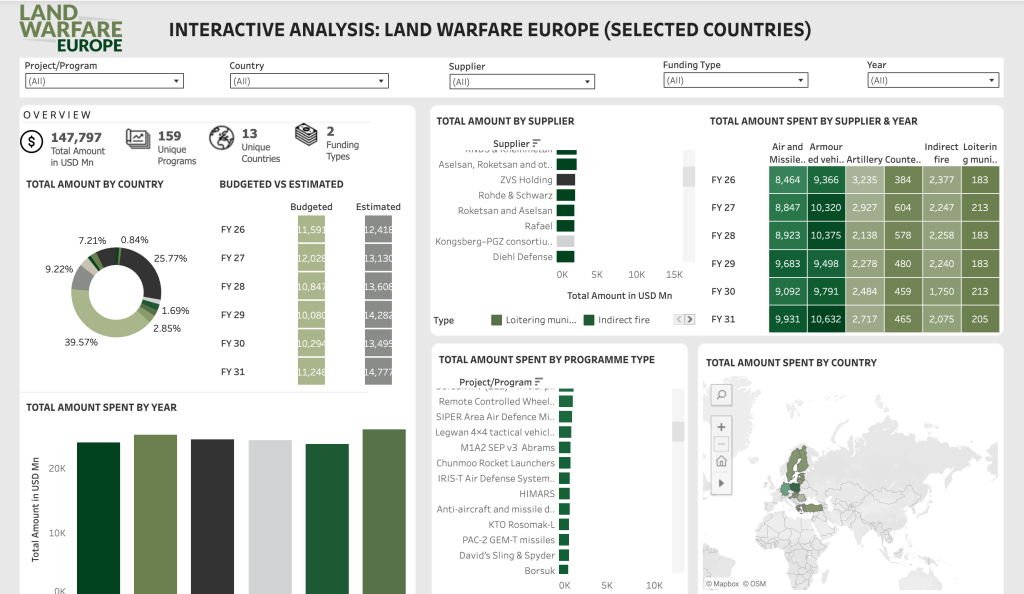
Land Warfare Europe Interactive Market Report 2026
Defence iQ's Land Warfare Europe Interactive Market Report transforms complex market data into an intuitive, easy-to-navigate digital resource. Designed for quick exploration, it enables readers to jump between sections, compare national programmes and access key insights on defence spending, capability priorities and procurement trends - making it a practical reference for busy military and industry professionals.
Explore the report today.
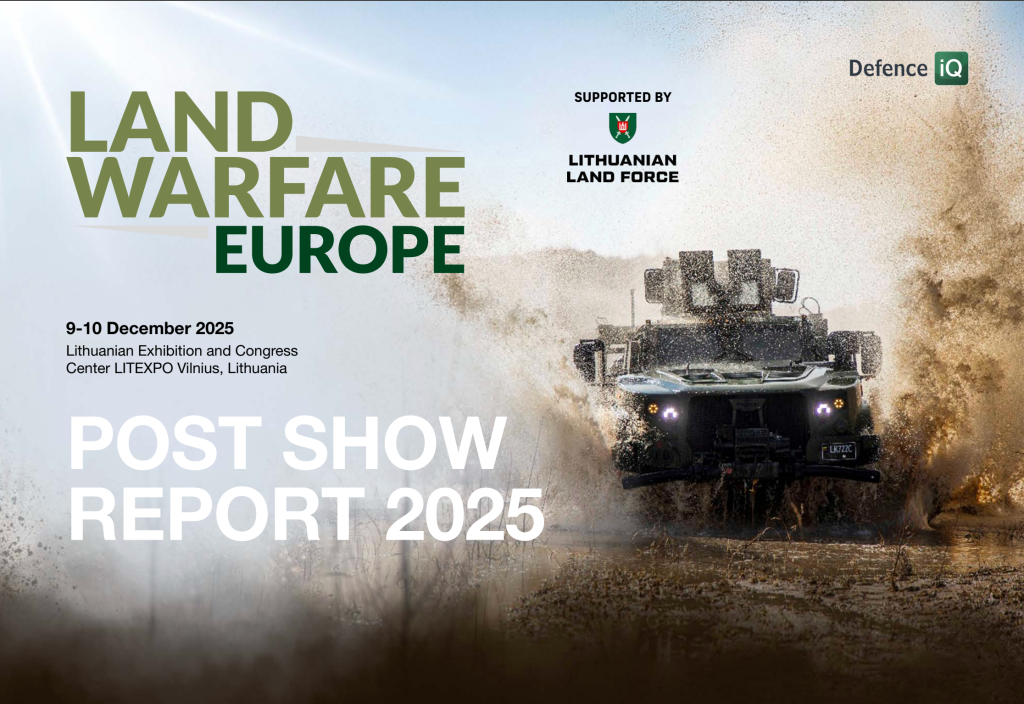
Land Warfare Europe Post Show Report 2025
Held on the 9th – 10th December 2025 at the Lithuanian Exhibition and Congress Center Litexpo in Vilnius, Lithuania, Land Warfare Europe 2025 brought together the international defence community at the heart of NATO's eastern flank to address the evolving challenges shaping modern land warfare. Delivered in official partnership with the Lithuanian Land Forces, the conference served as a strategic platform for the armoured manoeuvre and fires communities to examine the operational, technological, and industrial priorities driving regional deterrence and collective defence.
The event focused on the urgent need to modernise land capabilities, improve multinational interoperability, and strengthen readiness across NATO and allied forces. Over two days, senior military leaders, government representatives, strategic planners, and industry stakeholders explored critical topics including integrated air and missile defence, long-range precision fires, autonomous systems, cyber resilience, military mobility, and the integration of emerging technologies across the land domain.
Land Warfare Europe 2025 welcomed 36 expert speakers representing 39 nations, creating a valuable forum for operational collaboration, strategic dialogue, and practical capability development. Discussions throughout the conference reflected the changing character of warfare and the increasing importance of resilient, scalable, and interoperable land capabilities capable of responding to high-intensity conflict across multiple domains.
This Post Show Report captures the key themes, operational insights, and strategic discussions delivered across the two-day conference programme. Through speaker briefings, panel discussions, and industry-led sessions, the report provides an overview of the most significant takeaways shaping the future of land warfare, capability modernisation, and deterrence across NATO's eastern flank.

Resurrecting Slovakian Thunder; Interview with Colonel Jan Hric, 5th Artillery Regiment Commander, Slovak Armed Forces
Colonel Jan Hric, Commander of the 5th Artillery Regiment of the Slovak Armed Forces, discusses how Slovakia is reinvesting in its Artillery capabilities and enhancing its forward presence in the Baltics. With the threat of near-peer confrontation, artillery has become one of the areas most needing reform. On the modern battlefield, artillery must deliver sufficient, accurate firepower and survive counter-fire and other threats. As a result of this threat and rethinking, nations are rekindling their artillery capabilities.

Enhancing Indirect Fire Capabilities of the Lithuanian Armed Forces
Download this presentation from Lt Col Ausrius Buikus, Chief Joint Fires and Effects branch., Lithuanian Armed Forces, delivered at the 2024 conference on 'Enhancing Indirect Fire Capabilities Of The Lithuanian Armed Forces.'
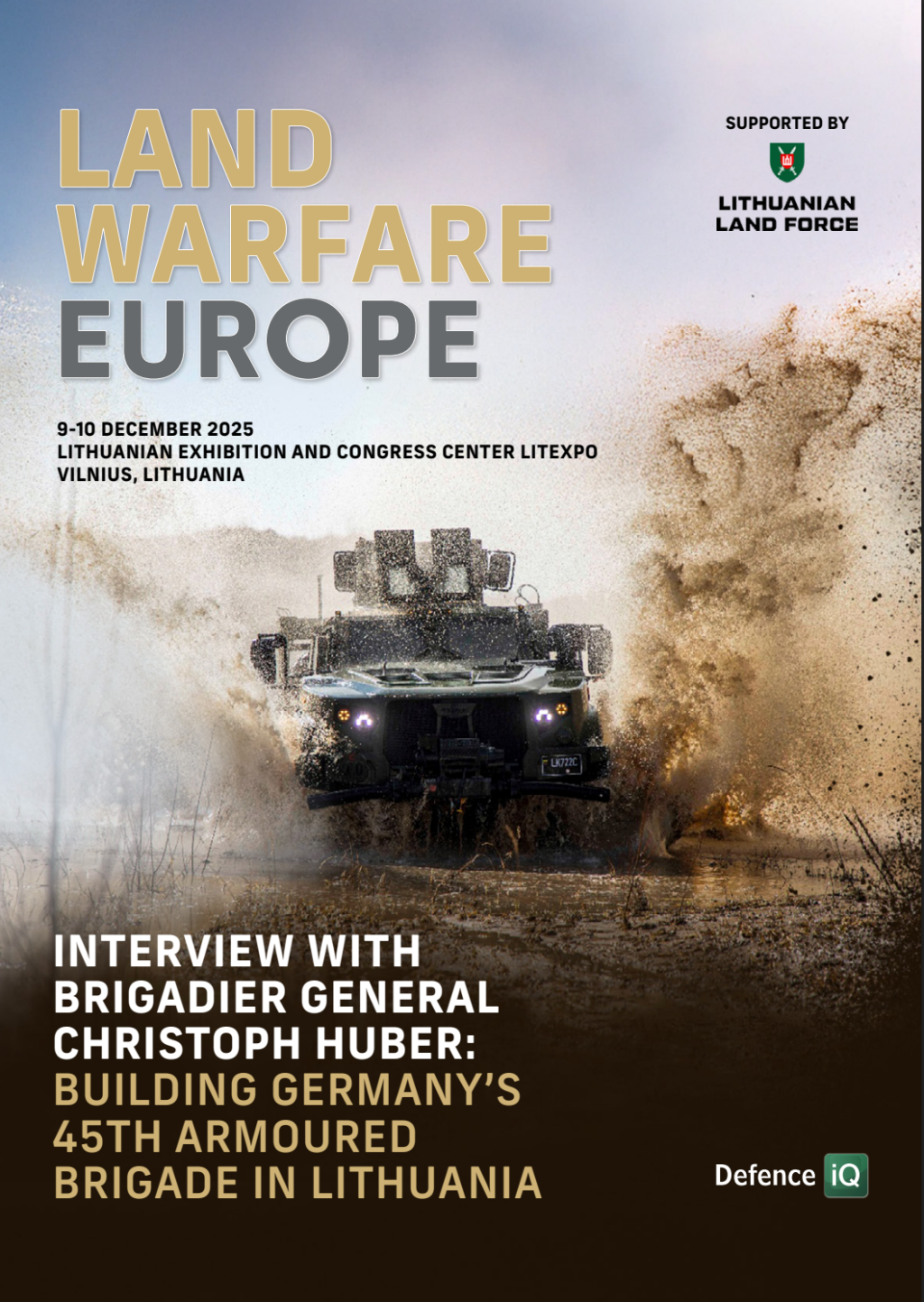
Interview with Brigadier General Christoph Huber: Building Germany's 45th Armoured Brigade in Lithuania
In this exclusive Defence IQ interview, Brigadier General Christoph Huber outlines Germany’s commitment to building a permanent combat-ready formation in Lithuania. He explains how Panzerbrigade 45 is being structured to reach full warfighting capability by 2027, highlighting the importance of modern equipment, robust training, and close cooperation with NATO Allies. With Leopard 2A8 tanks, Puma IFVs, and Panzerhaubitze 2000 artillery forming its core, the brigade stands as a clear signal of deterrence on NATO’s eastern flank.
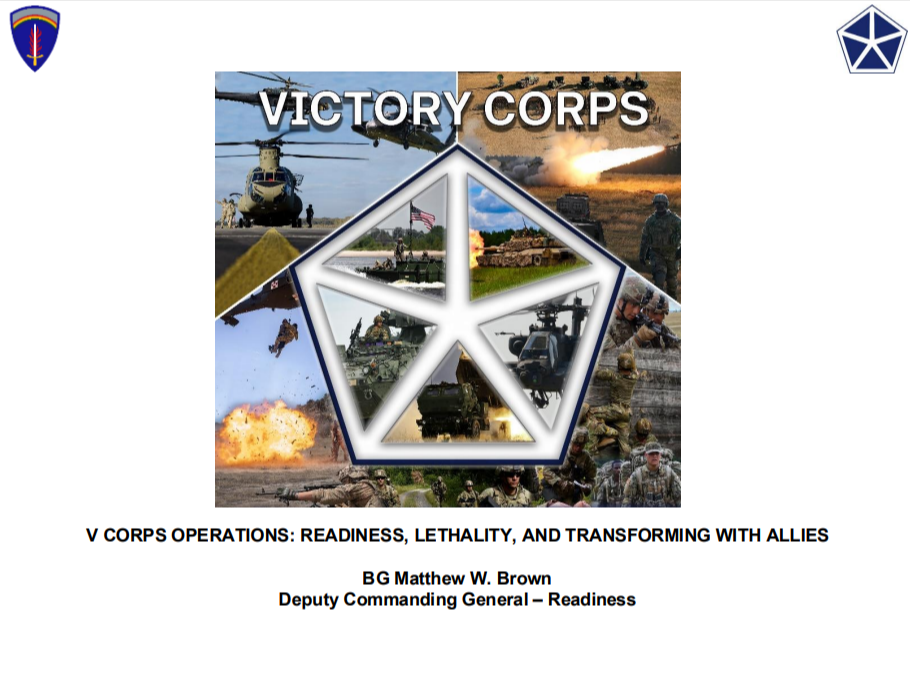
V Corps Operations: Readiness, Lethality, and Transforming With Allies
Looking ahead to Land Warfare Europe 2025? Start with a powerful perspective from last year’s event.
Download an exclusive presentation from Brigadier General Matthew W. Brown, Deputy Commanding General - Readiness, US Army V Corps, as he explores “V Corps Operations: Readiness, Lethality, and Transforming With Allies.”
Strengthening Nato's Eastern Flank: An Interview with Brigadier General Boštjan Močnik, Commander of the Slovenian Armed Forces Command
In the run-up to Land Warfare Europe 2025, Defence IQ sat down with Brigadier General Boštjan Močnik, Commander of the Slovenian Armed Forces Command, to discuss how Slovenia is strengthening NATO’s eastern flank and adapting to modern threats.
Discussing a range of topics, including countering drones, loitering munitions, bolstering cyber resilience and interoperability, Brigadier General Močnik outlines Slovenia’s priorities for modernising its land forces. He also highlights the importance of layered air defence, stronger fire support, and the integration of emerging technologies such as AI and autonomous systems to maintain operational effectiveness in future conflicts.
This exclusive Defence IQ interview provides insights into how Slovenia and its NATO allies are working together to build a more robust, agile, and resilient European defence posture.
Land Forces Market Report: Modernisation and Recapitalisation Efforts Along Nato's Eastern Flank
Defence iQ's Land Warfare Europe market report examines how NATO nations along the eastern flank are modernising and recapitalising their land forces to address evolving security challenges. It sets the strategic scene by examining the importance of the Baltic states, the implications of the ReArm Europe Plan, and the development of the Baltic Defence Line. The analysis highlights the core capability areas driving investment, including integrated air and missile defence, counter-UAS systems, armour and artillery upgrades, and the adoption of autonomy, robotics, and advanced ISR.
Our market report also reviews efforts to strengthen interoperability across multinational forces, ensuring readiness for joint operations. Detailed national profiles cover Lithuania, Poland, Latvia, and Estonia, alongside insights into other NATO partners pursuing significant land warfare modernisation programmes. The report further considers EU and NATO funding initiatives, industry partnerships, and the practical challenges of delivering capability against tight budgets and timelines.
For defence leaders, policymakers, and industry stakeholders, the report provides a clear overview of current priorities, emerging opportunities, and the market dynamics shaping land warfare in Europe today.
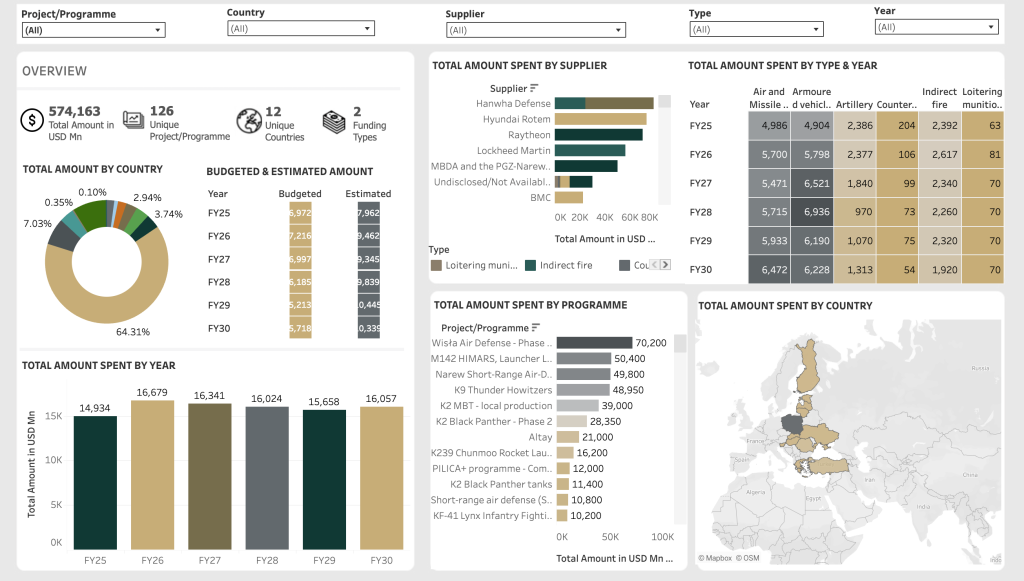
Land Warfare Europe Interactive Market Report
The Land Warfare Europe Interactive Market Report 2025 provides a fantastic way to explore the European defence landscape. Designed for military professionals, industry leaders, and decision-makers, this report provides a comprehensive overview of key trends, upcoming programmes, capability priorities, and procurement insights across the land domain.
Through its interactive format, users can easily navigate between sections, access country-specific data, and explore insights from senior military figures and industry experts. Whether you’re seeking to understand current capability gaps, identify partnership opportunities, or track future investment areas, this report serves as a brilliant tool for strategic planning and informed decision-making.
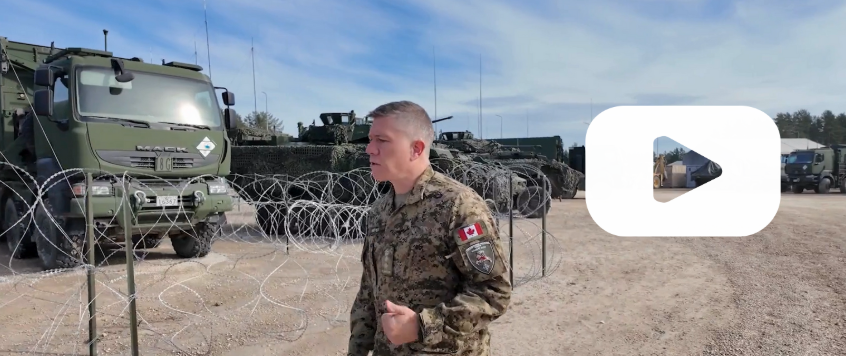
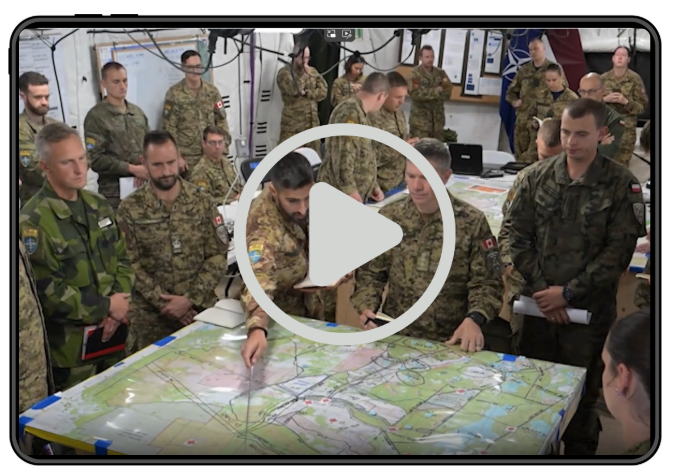
Leadership, Cohesion, and Capability: A NATO Perspective from Colonel Kris Reeves
Colonel Kris Reeves, Commander of the Multinational Brigade Latvia (NATO) from the Canadian Armed Forces, explains the brigade’s role in supporting the strategic defence of Europe and its collaboration with partner nations to prepare for evolving threats on NATO’s Eastern Flank. In his remarks, Colonel Reeves covers several key areas:
- Multinational Team and Tactical Operations: He describes the brigade as a multinational, combined arms team, highlighting the importance of coordinated tactical efforts across allied forces.
- Leadership and Cohesion: He emphasizes the need for clear and confident leadership in a multinational setting, where trust and accountability are essential for building strong team cohesion.
- Experience and Operational Readiness: He discusses how operational-level planning and experience contribute to creating the right conditions for the brigade’s success.
- Capabilities and Future Goals: Colonel Reeves outlines the brigade’s focus on trust, mission planning, and maximizing effectiveness to meet future challenges.
He also touches on additional insights into how the brigade is adapting to ensure continued readiness and strategic impact.
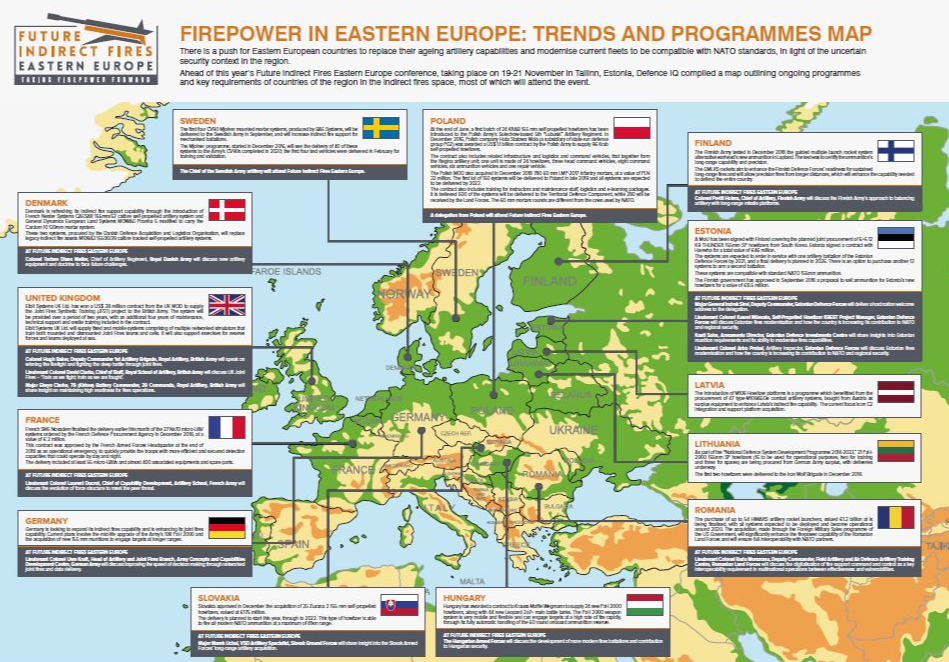
Firepower in Eastern Europe: Trends and programmes map
In light of the uncertain security context of the region, the push for Eastern European countries to replace their ageing artillery capabilities and modernise current fleets is highlighted by a lot of acquisition activity. The focus is primarily on procuring systems compatible with NATO standards, and ones that enable a longer range target engagement.
Ahead of this year’s Future Indirect Fires Eastern Europe, Defence IQ compiled a map featuring updates on current programmes, key procurement plans and requirements for future acquisitions of the region.
Download the map now >>

Precision munitions, C2 digitalisation and Joint Fires integration: Inside Estonia’s Fires modernisation plans
Estonia’s massive military modernisation on its indirect fires capability is putting the spotlight on the nation’s willingness to improve its interoperability with allied countries, highlighted by the recent purchase of Korean-built K9 Thunder self-propelled 155-millimeter howitzers with ammunition compatible with NATO standards.
Defence IQ gained exclusive insight from Major General Indrek Sirel, Deputy Commander, Estonian Defence Forces and key speaker of this year’s Future Indirect Fires Eastern Europe, who discusses the core priorities of the nation’s Fires modernisation plans in terms of capability development, improving NATO’s Eastern Flank’s readiness and integrating digital fires across the Alliance.
Download the piece now >>
In Partnership With:

QUESTIONS?
Address: IQPC Ltd, 129 Wilton Road,
London SW1V 1JZ
Telephone: +44 (0) 113 210 042
Fax: 44 (0) 207 368 9301
Email: enquire@iqpc.co.uk

©2026 IQPC. All rights reserved.