Latest content
How Synthetic Blood Could Transform Military Healthcare in Future Conflicts
Ukraine has taught us that blood solutions are vital to saving lives at the point of injury. So, with defence medical services seeking to strengthen resilience and readiness, one question is gaining increasing attention: could synthetic blood be the breakthrough that transforms military healthcare and ensures lifesaving care remains consistently accessible?
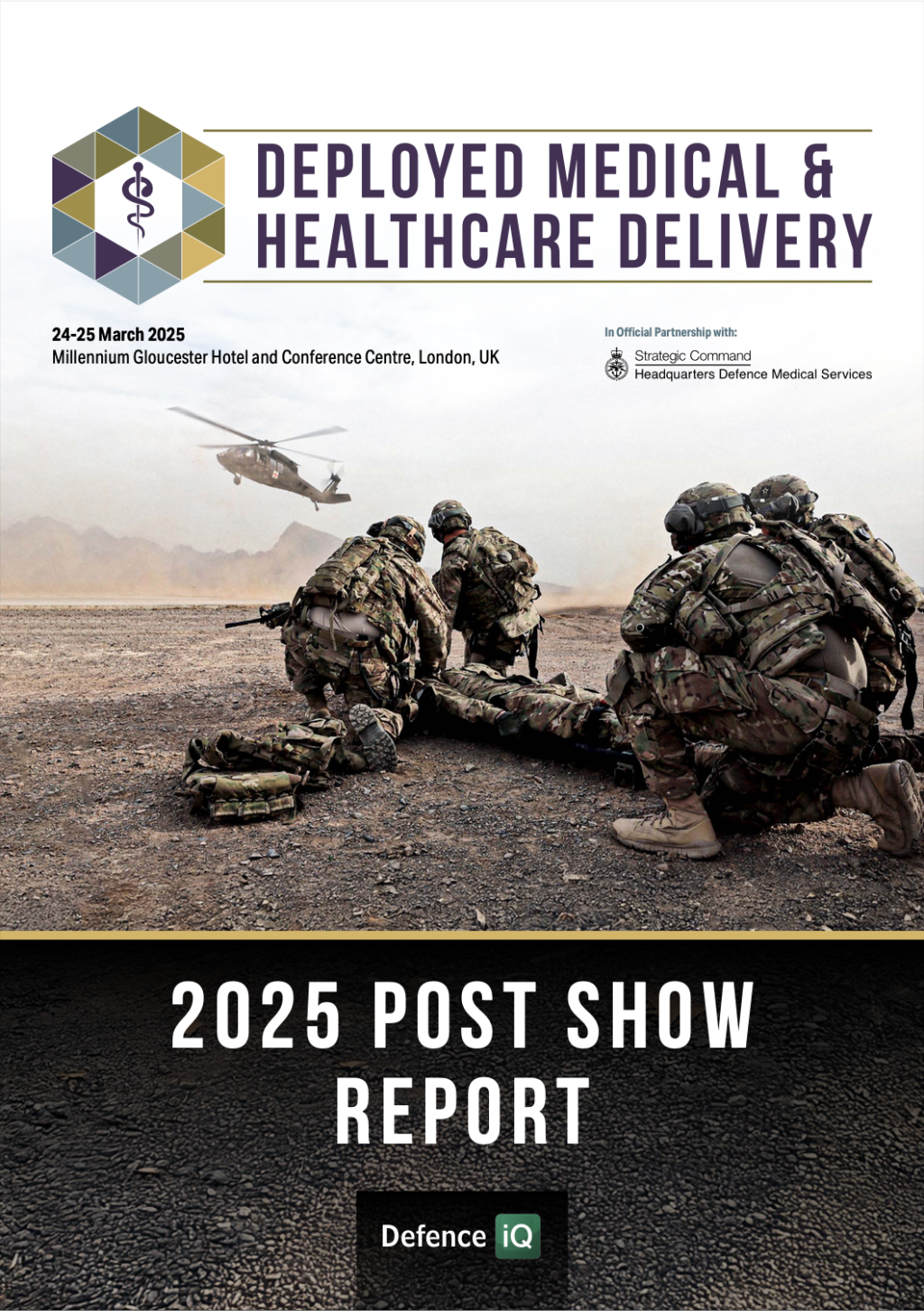
Deployed Medical & Healthcare Delivery Post Show Report 2025
The Deployed Medical and Healthcare Delivery (DMHD) 2025 Post Show Report captures the key discussions, insights, and outcomes from Europe’s leading conference on deployed medical care. Bringing together over 350 military, civilian, academic, and industry leaders from around the world, the event explored the urgent challenges of delivering integrated, high-quality healthcare in complex, high-casualty environments. Covering topics from strategic defence health planning and historical lessons learned to innovations in medical technology, logistics, and rehabilitation, DMHD 2025 provided a vital platform for collaboration between defence and civilian healthcare sectors. This report distils those discussions, offering valuable guidance for shaping future medical readiness and resilience in the face of evolving global threats.
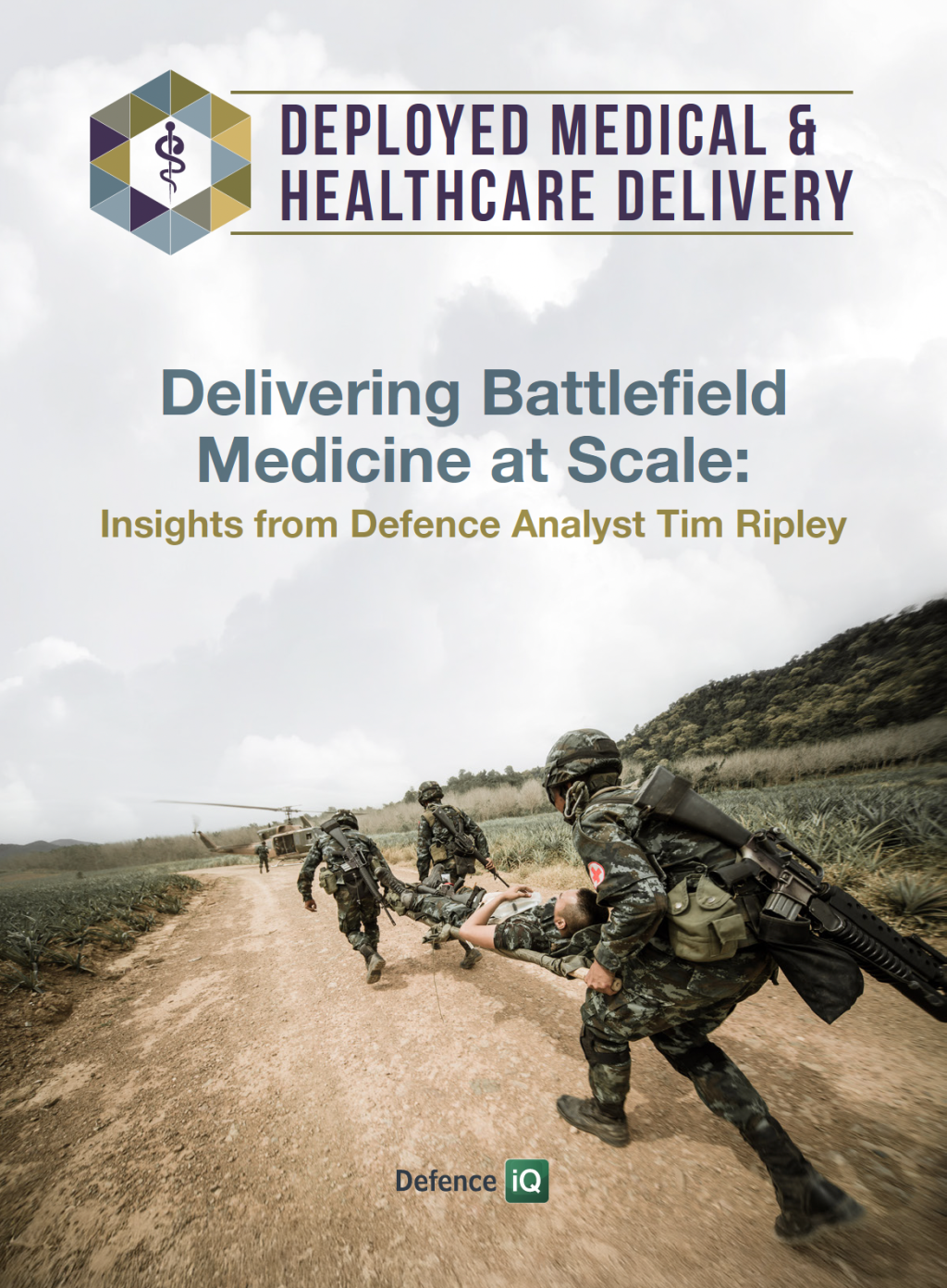
Delivering Battlefield Medicine at Scale: Insights from Defence Analyst Tim Ripley
The brutal realities of modern warfare continue to reshape expectations for military medicine. In his latest piece, defence analyst Tim Ripley explores how battlefield care must keep up in order to meet new demands.
Drawing on lessons from Ukraine, he highlights how drone surveillance, peer-on-peer threats and mass casualty events are forcing NATO forces to rethink evacuation chains and medical doctrine alike. Ripley examines what this shift means for the future - from pushing life-saving expertise closer to the frontlines to harnessing digital tools and portable technologies that could transform survival rates in high-intensity conflict.
Stay at the forefront and download your copy today!
In Partnership With:

QUESTIONS?
Address: IQPC Ltd, 129 Wilton Road,
London SW1V 1JZ
Telephone: +44 (0) 113 210 042
Fax: 44 (0) 207 368 9301
Email: enquire@iqpc.co.uk

©2026 IQPC. All rights reserved.