Military Helicopter Resources | Updates, Interviews, Reports and Analysis
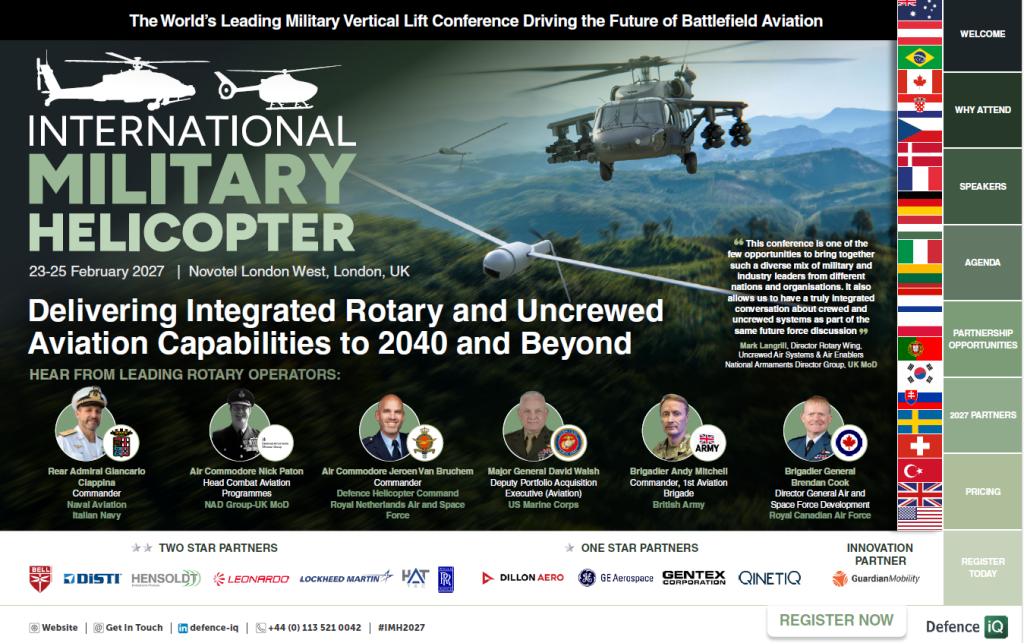
International Military Helicopter 2027 Agenda
International Military Helicopter 2027 brings together senior military leaders, operators and industry experts to explore the future of rotary-wing aviation. Across three days from 23-25 February in London, the agenda will examine the technologies, strategies and operational lessons ...
IMH Partnership Information
2027 International Military Helicopter - 2027 Sponsorship & Networking Prospectus
View the International Military Helicopter - 2027 Partnership Prospectus, and explore:
- Event Overview
- What's New For 2027
- Attendee Breakdown
- Who You Can Meet Onsite
- Partnership Opportunities
- Attendee Testimonials
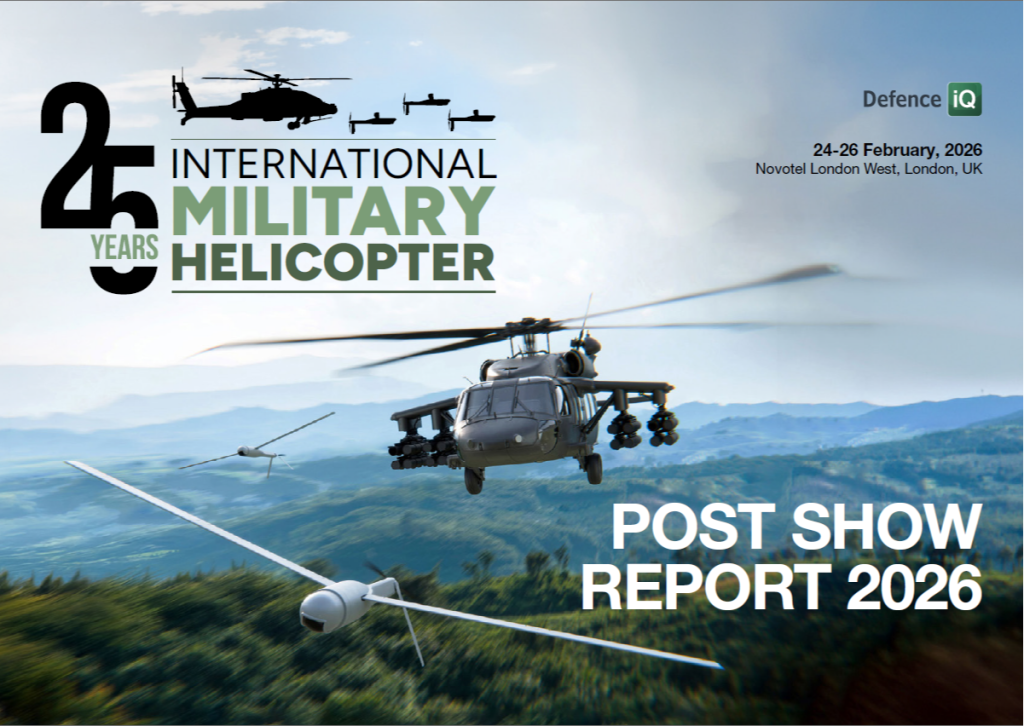
2027 International Military Helicopter - 2026 Post Show Report
View the International Military Helicopter - 2026 Post Show Report, and explore:
- Audience breakdown
- Chairmen's Summary
- Conference Insights
- Key Audience Priorities
- Testimonials
If you have any questions, please contact Ollie Sykes - partner@defenceiq.com
2027 International Military Helicopter - 2027 Agenda
Check out the International Military Helicopter - 2027 Agenda, and explore:
- Chairmen introductions
- Day 1, 2, & 3 key themes and topics
- Networking opportunities
- Early confirmed speakers
- New for 2027
- Audience breakdown
If you have any questions, please reach out to Ollie Sykes - partner@defenceiq.com
2027 International Military Helicopter - 2027 Attendee Snapshot
View the International Military Helicopter - 2026 Attendee Snapshot, and explore:
- Attendee Organisations confirmed to join us
- Attendee Job Titles confirmed to join us
- Countries confirmed to join us
- Event partners
2027 International Military Helicopter - 2026 Attendee Snapshot
View the International Military Helicopter - 2026 Attendee Snapshot, and explore:
- Attendee Organisations Represented
- Attendee Job Titles Represented
- Countries in Attendance
Global Insights | Military Helicopter
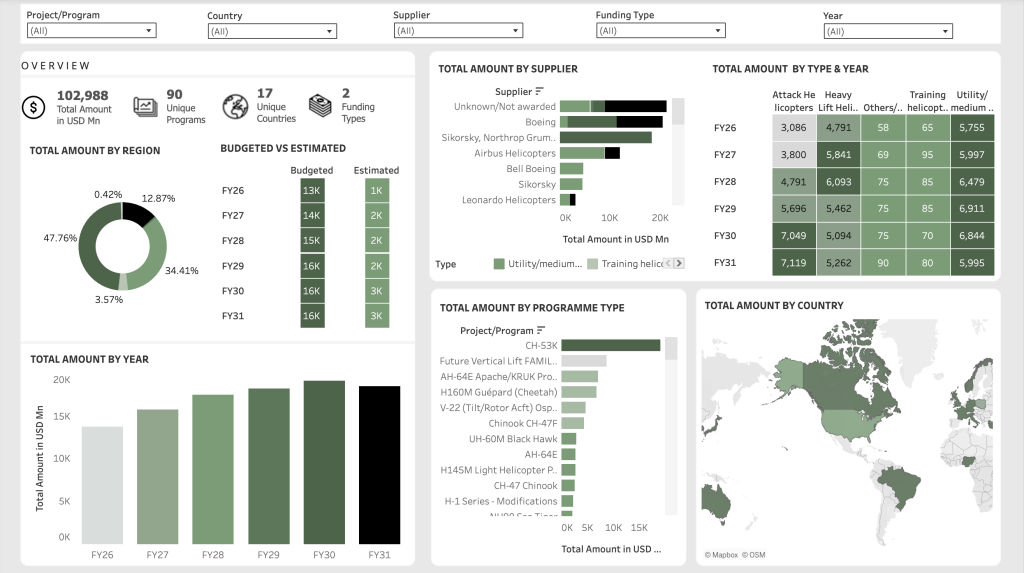
International Military Helicopter Interactive Market Report 2027 (Selected Countries)
Explore the global military helicopter landscape with the International Military Helicopter Interactive Market Report 2026. Discover key procurement programmes, fleet modernisation priorities and emerging investment opportunities across international markets, providing valuable insights into the trends shaping the future of military rotary-wing aviation.
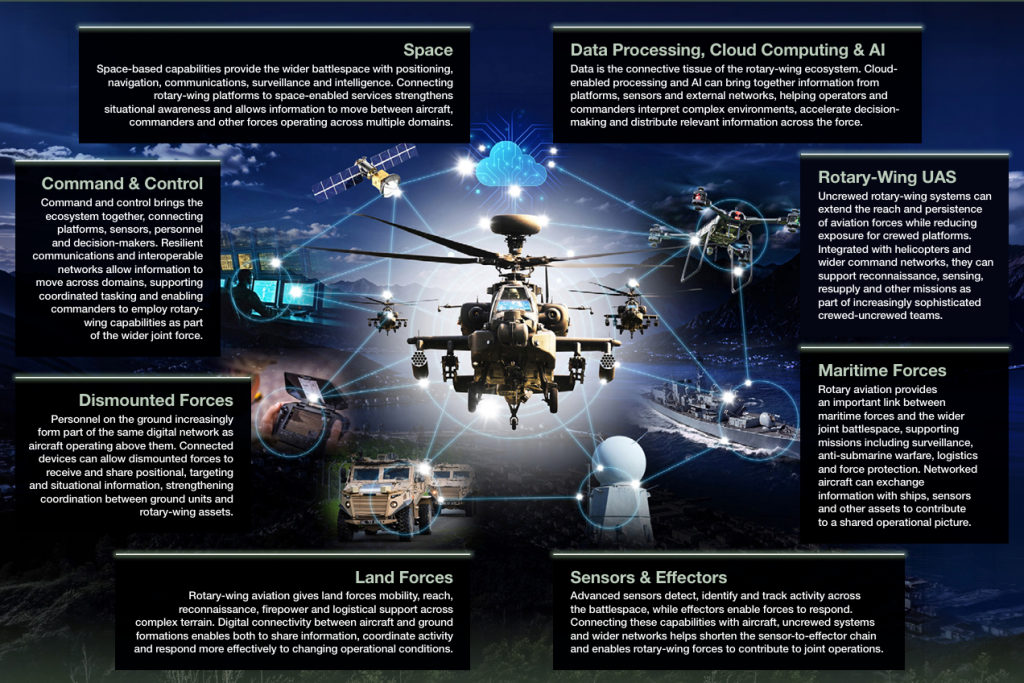
The Integrated Rotary-Wing Ecosystem
Modern rotary-wing capability extends far beyond the aircraft itself. Our latest infographic explores the interconnected system of platforms, people, sensors, data and effects that enables rotary aviation to operate as part of a wider, multi-domain force by demonstrating how information and capability flow across air, land, maritime, space and digital environments.
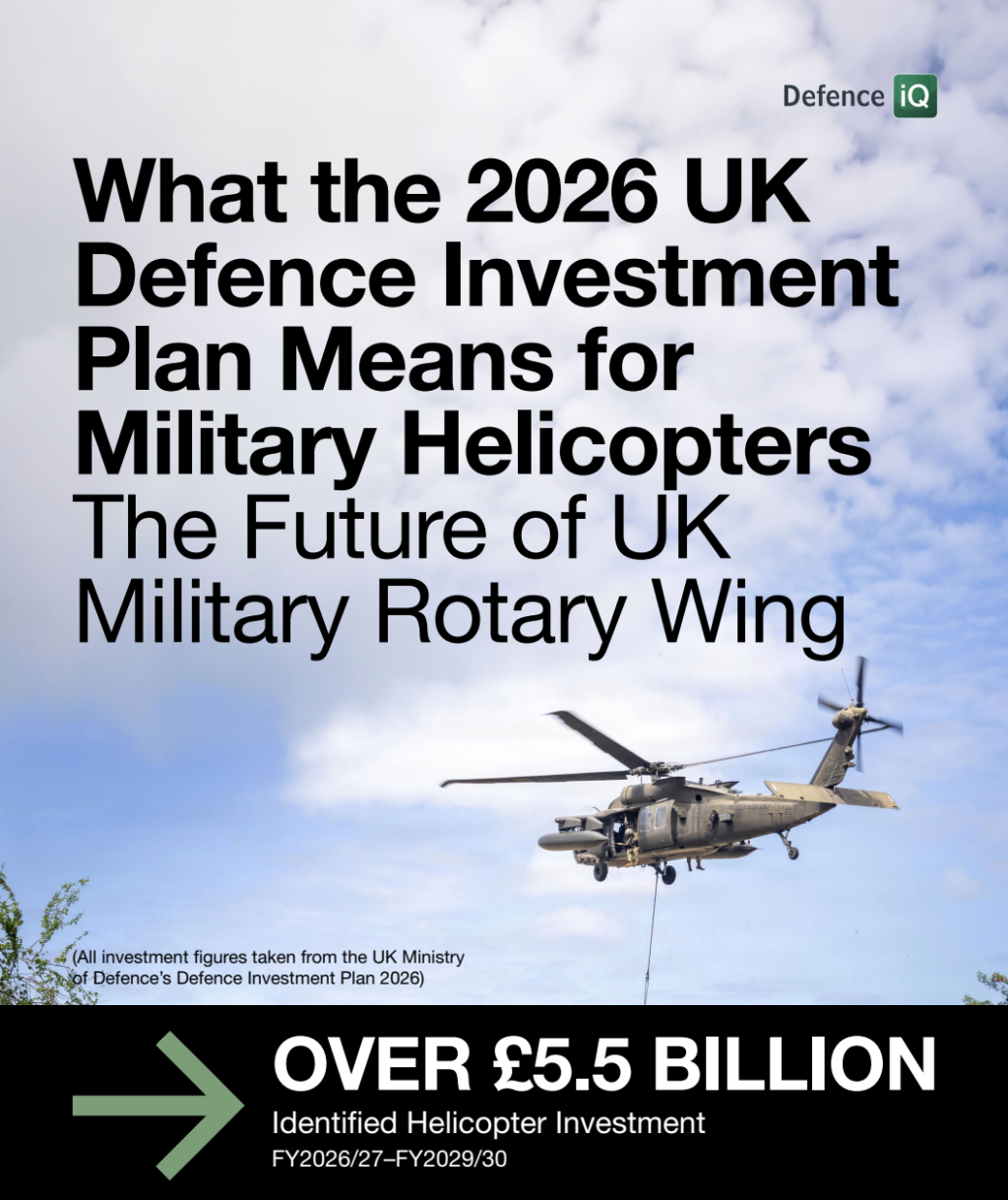
What the 2026 UK Defence Investment Plan Means for Military Helicopters
Our useful infographic explores what the UK's 2026 Defence Investment Plan means for the future of military rotary wing, highlighting key investment priorities, major helicopter programmes and the growing integration of autonomous and uncrewed capabilities.
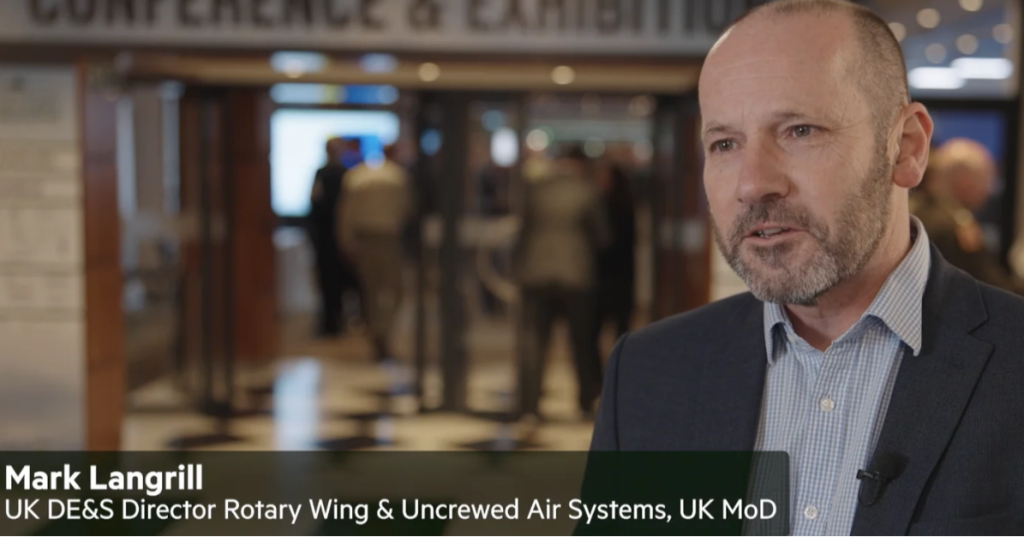
Interview with Mark Langrill, UK MoD at International Military Helicopter
Hear from Mark Langrill, Director Rotary Wing & Uncrewed Air Systems at UK DE&S, in this exclusive filmed interview, as he explores the future of crewed and uncrewed aviation, the integration of autonomy into military operations, and how defence organisations are accelerating innovation and procurement to meet emerging operational challenges.
Download the full interview to gain his perspective on the next generation of rotary wing capability
Mark is joining us for International Military Helicopter once again in 2027 - check out the agenda too!
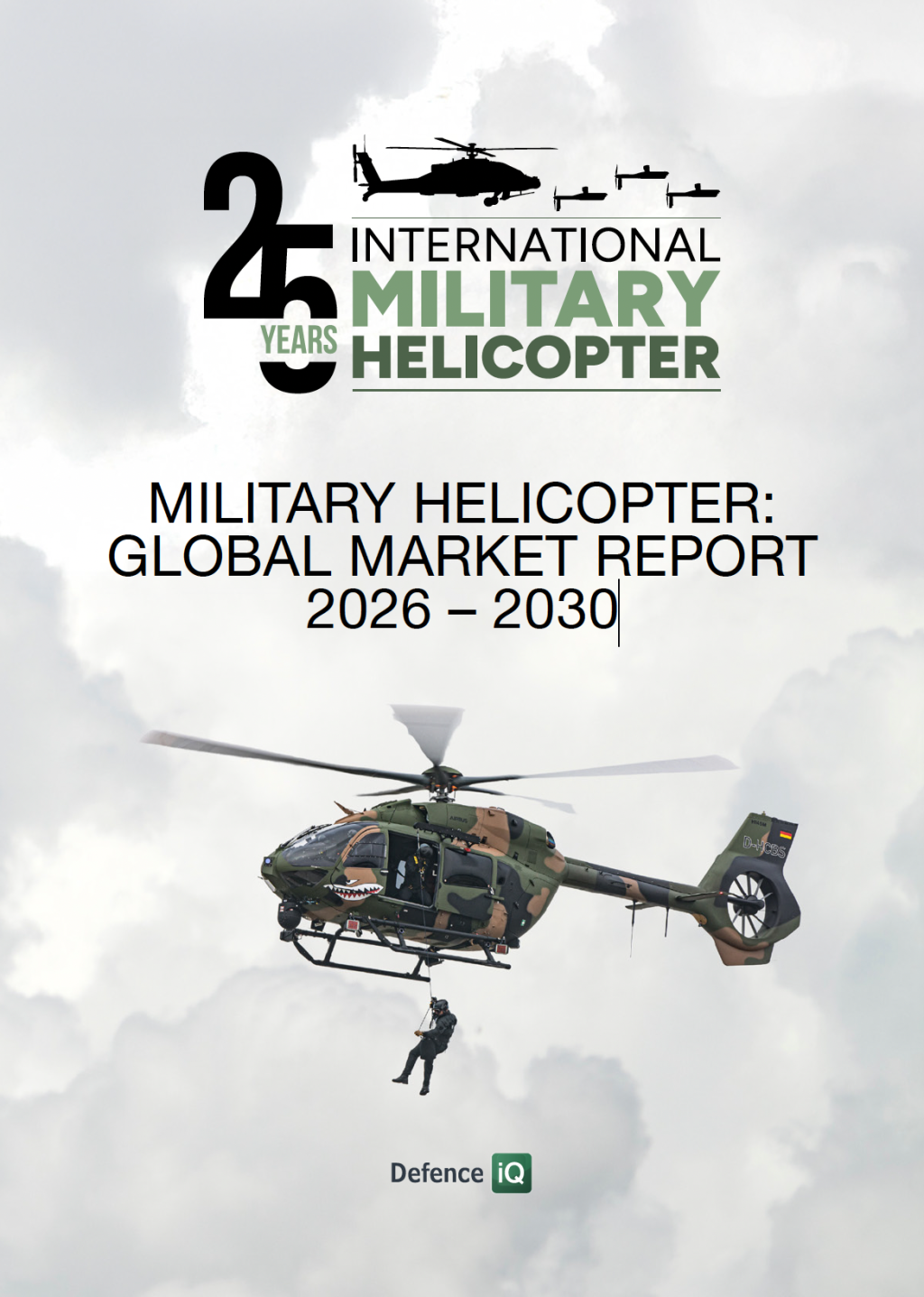
Military Helicopter: Global Market Report 2026 - 2030
Our Military Helicopter Global Market Report provides an in-depth analysis of the current rotorcraft landscape, offering defence professionals critical insight into global procurement priorities, technological advancements, and regional market dynamics shaping the sector’s future.
The report draws upon exclusive data, expert commentary, and forecasts to explore key trends in modernisation programmes, fleet sustainment strategies, platform innovation, and industry partnerships driving capability development. It also examines the influence of next-generation technologies on future operational effectiveness.
Discover the latest regional breakdowns and forward-looking assessments by downloading this essential report today. It’s an invaluable resource for military planners, OEMs, and industry stakeholders looking to understand where investment, innovation, and opportunity will converge in the years ahead. Access the full report to explore comprehensive market analysis, data insights, and forecasts through 2030.
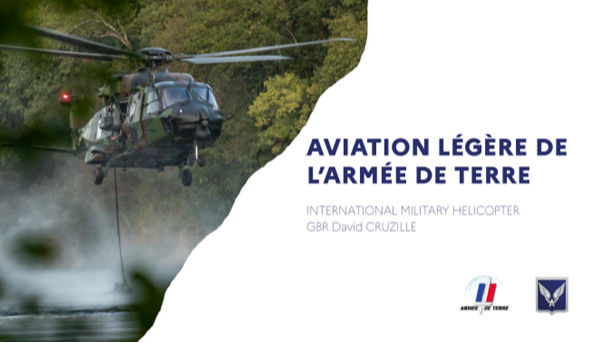
Lessons Identified from Contemporary Conflict
In this insightful session, Brigadier General David Cruzille examines the evolving challenges of aero combat and rotorcraft within today’s operational landscape. Drawing on lessons identified from recent conflicts, he explores how armed forces must adapt to meet emerging threats and opportunities.
Key themes include:
- Preparing for the future of aero combat and rotary operations
- Categories of aero combat manoeuvre in modern theatres
- The growing dronisation of air mobile operations
- What the future battlespace might look like for rotorcraft
This presentation offers both strategic reflections and forward-looking perspectives, equipping defence professionals with the understanding needed to anticipate and adapt to the next era of military aviation.
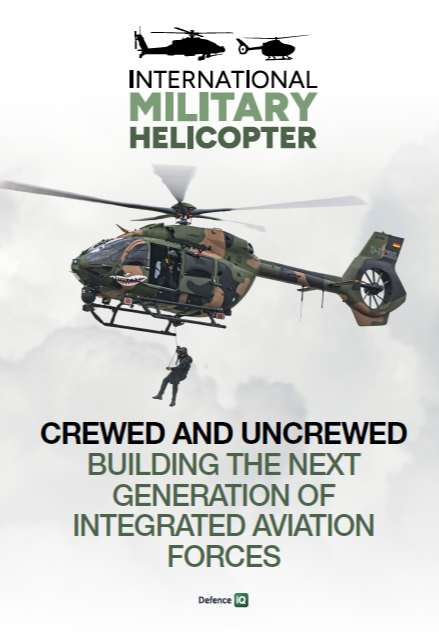
Crewed and Uncrewed: Building the Next Generation of Integrated Aviation Forces
For a long time now, helicopters have been indispensable to military operations - providing lift, attack, reconnaissance, and medical evacuation in every major conflict. That being said, modern battlefields have exposed the limits of relying on rotary assets alone. Peer and near-peer adversaries, contested airspaces, and advancement in technology demands a new approach: one in which crewed helicopters and uncrewed systems operate as a single, integrated force. In our latest article, we explore how manned-unmanned teaming (MUM-T) is reshaping the next generation of aviation forces – touching on the opportunities it offers, the challenges it poses, and how programmes are adapting.

Interactive Report: Military Helicopter Market (2025-2029)
In the lead-up to IMH 2025, Defence iQ has created a brand-new interactive report that provides global market intelligence for the international military helicopter market.
It is the most up-to-date and comprehensive data tool for learning where over US$121 billion is being spent across over 40 countries and 130+ rotary programmes.
Hosted on the IMH website, this interactive report is fully customisable. Whether you view spending by country or region or delve deeper into individual programmes, this interactive report empowers you to extract the ultimate value from the global data set.
Download the report now to:
- Discover specific programme forecasts on different helicopter types, including attack, heavy lift, training & utility
- View detailed breakdowns of spending trends across regions and globally. • Access country-specific project spending.
- Gain insights on expenditures by helicopter type and supplier.
Stay ahead on your market intelligence with Defence iQs International Military Helicopter Interactive Report.
Additional Resources
2027 International Military Helicopter - 2027 Floor Plan
Check out the International Military Helicopter - 2027 Floor Plan, and explore:
- Sponsors joining our expo floor
- Remaining booths you can secure
Past Presentations
NGRC Updates

Update on NGRC Programme, Interview with Cyril Heckel
The Next Generation Rotorcraft Capability (NGRC) is one of NATO’s high-visibility initiatives. It aims to provide a timely and cost-effective solution to the large number of multi-role rotorcraft that will reach the end of their lifecycle by 2035/2040. Defence iQ’s Divisional Director, Anisa Cousin, had the pleasure of being joined by Cyril Heckel, NGRC Programme Manager at NATO Support and Procurement Agency (NSPA).
Cyril spoke to us at length about NGRC, including: insights into the industry collaboration on future concept studies; what's expected in the post-concept phase of the programme, plans to shape NGRC specifications and requirements, which include running a competitive process to identify the NGRC design solution; and the awareness and integration of technology such as AI, and Additive Manufacturing, and Open System Architecture for a positive impact on through-life. Cyril provided a brief at the 24th annual International Military Helicopter conference, where we will broght together 500+ of the most influential stakeholders from across the global rotary wing community.
IMH 2026 Resources
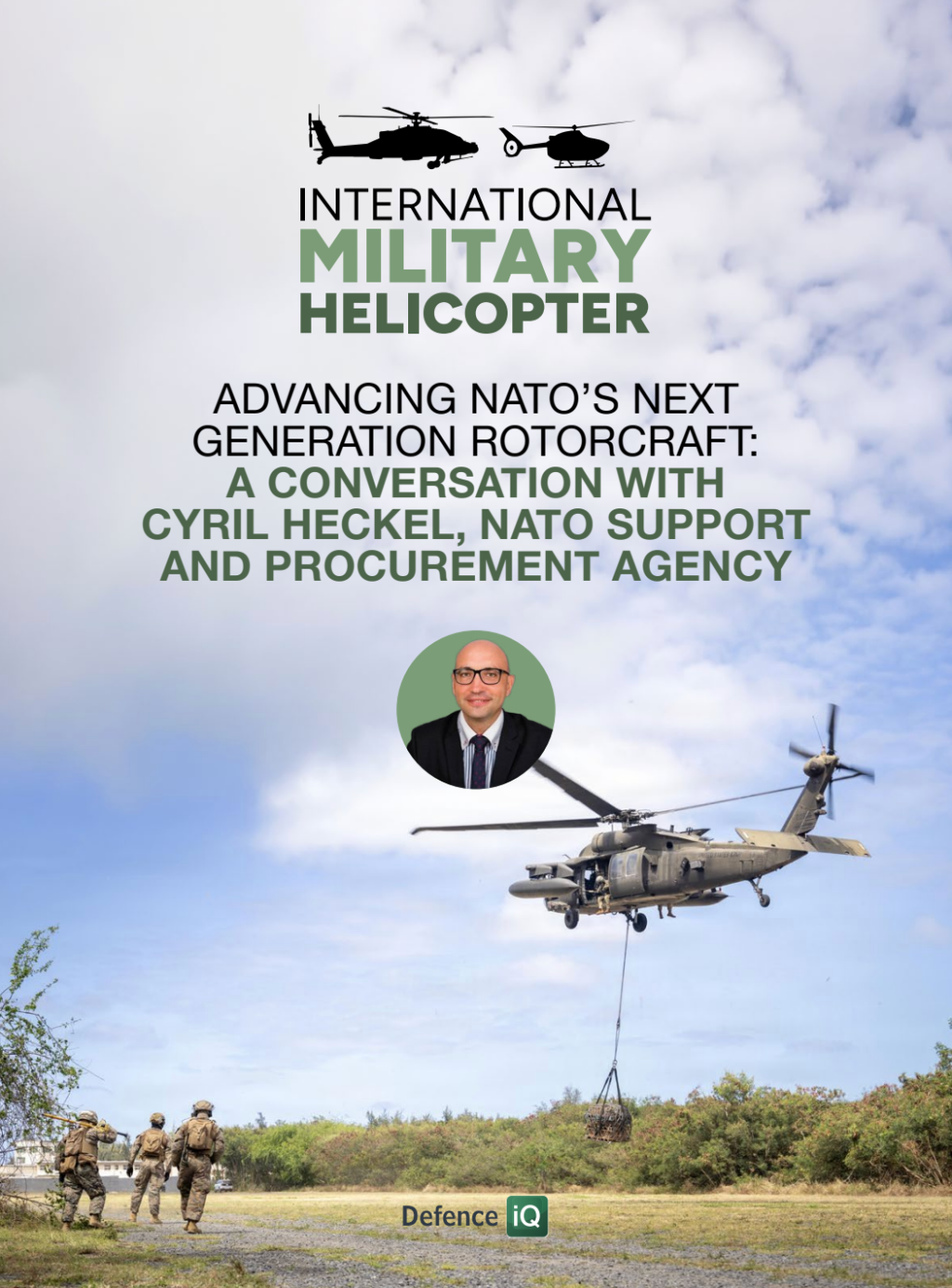
Advancing Nato's Next Generation Rotorcraft: A Conservation With Cyril Heckel, Nato Support and Procurement Agency
As NATO finalises requirements for its Next Generation Rotorcraft Capability (NGRC), collaboration, innovation, and interoperability remain central. With concept studies complete, the programme enters a pivotal phase that will define NATO’s rotary-wing future. Ahead of his briefing at International Military Helicopter 2026, Cyril Heckel, NGRC Programme Manager at the NSPA, discussed recent developments, procurement milestones, and how advanced technologies will drive a sustainable, modular, and mission-ready next-generation platform.
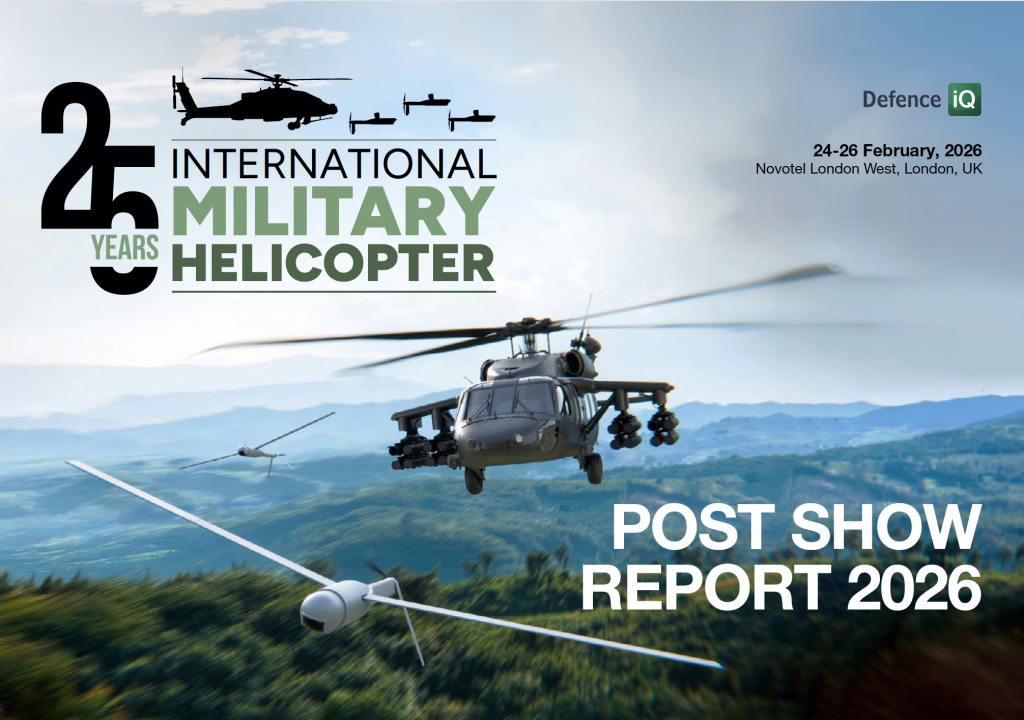
International Military Helicopter Post Show Report 2026
The International Military Helicopter Conference (IMH) 2026 returned to the Novotel London West, London, United Kingdom, from 24–26 February 2026, marking its 25th anniversary as the longest-standing and most respected global forum dedicated to rotary-wing capability development. Bringing together Army and Naval Aviation Commanders, as well as Air Force leaders, Programme Heads, and Capability Developers, the conference once again served as a critical platform for shaping the future of vertical lift in an increasingly complex and contested operating environment. At its core, IMH 2026 was designed to address the evolving role of rotary aviation against the backdrop of modern conflict and rapid technological advancement.
IMH 2026 welcomed over 600 attendees from across 50 nations, with 45 military and government speakers contributing to the agenda. The event achieved an overall satisfaction rating of 96% reflecting its continued relevance and value to the global rotary-wing community. This post-show report provides a comprehensive overview of the key insights shared throughout the conference. It captures the most significant themes from each day, offering a clear and accessible summary for those who attended, as well as those seeking to understand the direction of travel for military helicopter capability development.
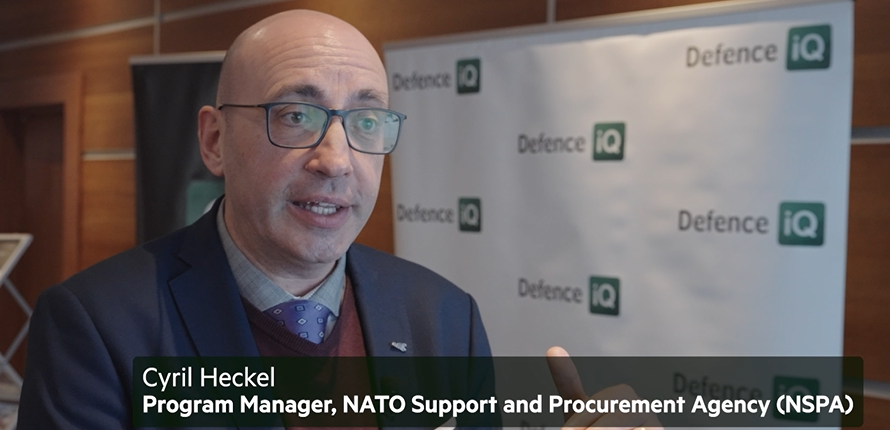
Cyril Heckel at IMH 2026
Hear from Cyril Heckel as he reflects on his experience speaking at International Military Helicopter 2026 and expands on the key themes from his session. In this exclusive interview, Cyril shares insights into the latest developments surrounding NGRC, discussing emerging capability requirements, recently unveiled concept study visuals, and the critical trade-offs shaping the programme as it progresses towards key 2026 milestones.
Watch now to gain deeper context behind the presentation and hear directly from one of the industry's leading voices.
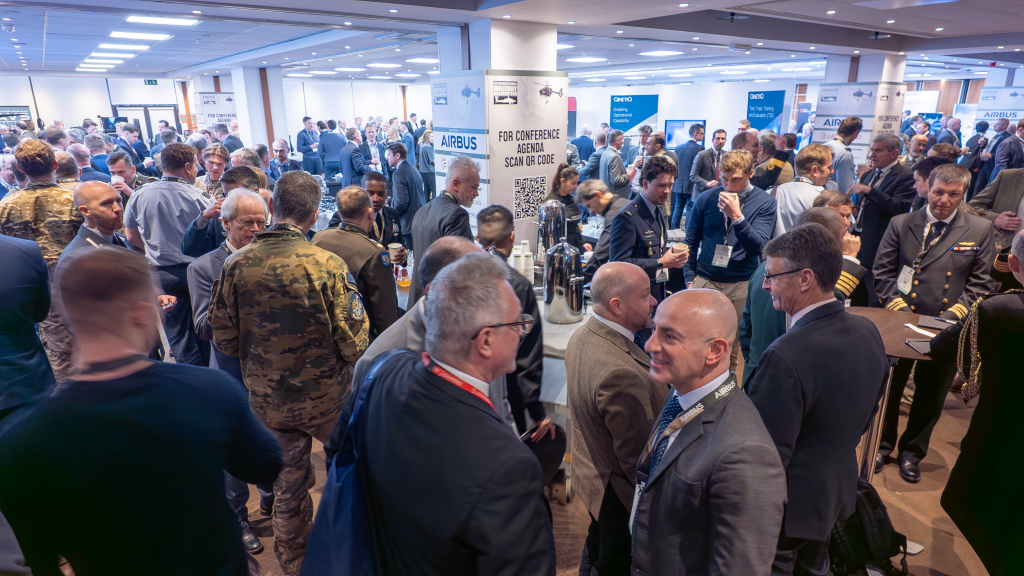
IMH 2026 | Attendee List
The International Military Helicopter Conference 2026 was the place to be; where global rotary-wing leaders meet to shape the future of military aviation. From cutting-edge technology discussions to strategic capability development, IMH continues to be the premier platform for collaboration across armed forces and industry innovators.
As preparations for 2027 are in full swing, download the IMH 2026 Attendee List now and discover what the conference is all about.
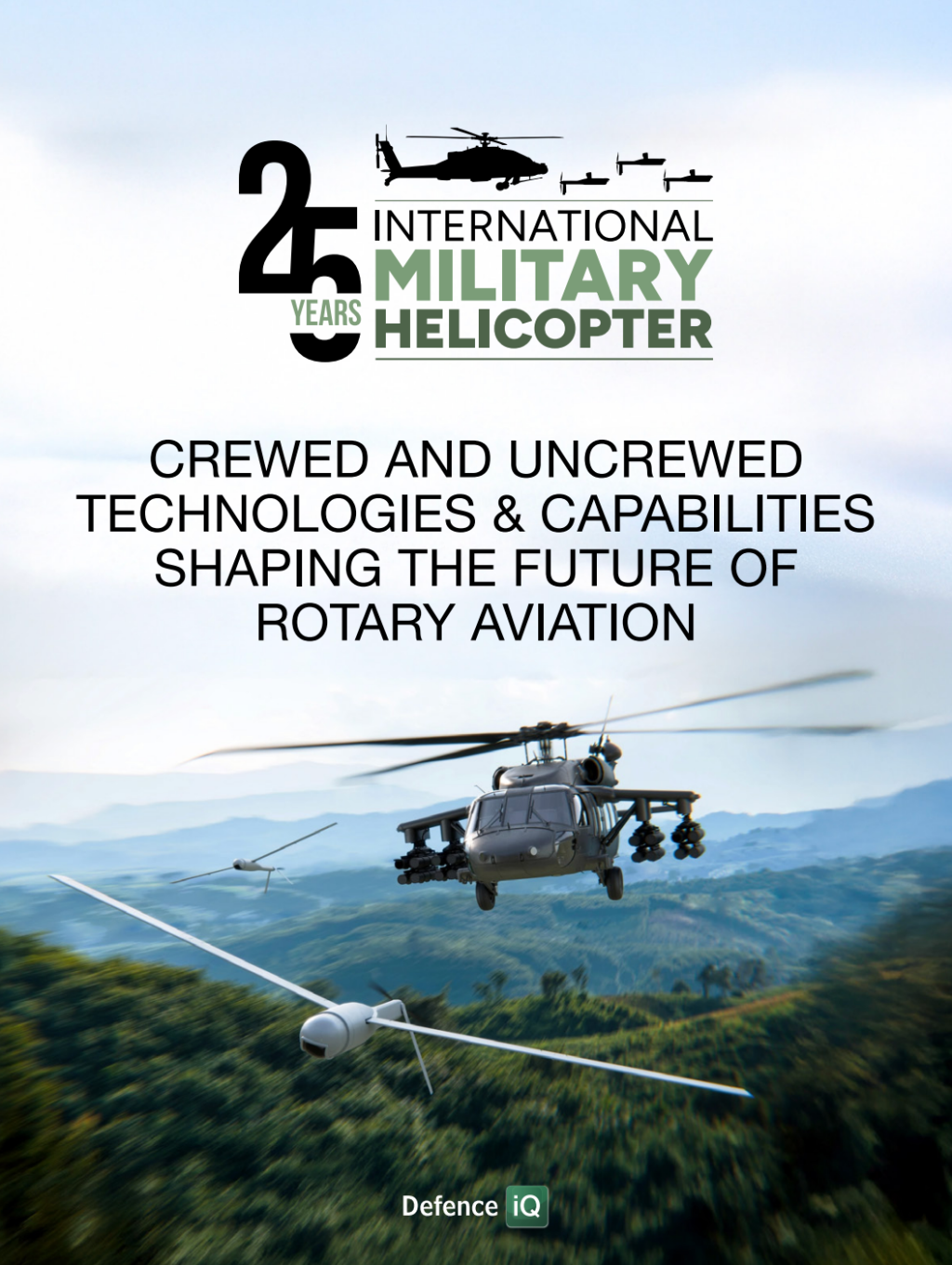
Crewed and Uncrewed Technologies & Capabilities Shaping the Future of Rotary Aviation
In an era increasingly defined by contested airspaces, peer competition, and integrated multi-domain operations, the technological evolution of rotary aviation is far from incremental. Instead, the next two decades will see rotary aviation transform via human–machine teaming, advanced networking, survivability upgrades, immersive training, and more central roles in joint operations.
In this report, these trends are explored in depth, with illustrative examples and forward projections.
In Partnership With:

QUESTIONS?
Address: IQPC Ltd, 129 Wilton Road,
London SW1V 1JZ
Telephone: +44 (0) 113 210 042
Fax: 44 (0) 207 368 9301
Email: enquire@iqpc.co.uk

©2026 IQPC. All rights reserved.