DEFENCE iQ
Detect. Strike. Manoeuvre. Winning the Land Battle Under Persistent Threat
November 17 - 18, 2026 | Vilnius Grand Resort, Lithuania
17-18 NOVEMBER, 2026
Driving Integrated Land Capability, Air Defence, and Regional Deterrence at the Epicentre of NATO's Eastern Flank
In modern combat, achieving lethality has become markedly cheaper than ensuring survivability. Precision strike has increasingly overtaken direct attack as the primary means of defeating enemy forces, enabled by the widespread use of sUAS alongside integrated radars, ISR, communications, and weapons systems. Armoured warfare is changing weekly. What was once a landscape that was ready to turn away from armoured fleets has been fundamentally reversed by lessons from RUS/UKR, which have reaffirmed the value of armour for shock, protection, and armoured manoeuvre. National armies are now prioritising the maintenance and longevity of their armoured formations.
More recently, Ukraine’s scaling of remotely controlled interceptor drones, unified UAV control, and cost‑effective approaches to air defence have redefined the economics of warfare. In the current combat environment, integrating traditional armoured manoeuvre with indirect fires and integrated air and missile defence is no longer an option, but a necessity for achieving operational advantage on the battlefield.
The Baltics and wider Eastern European nations continue to progress the Baltic Defence Line and East Shield initiatives, underscoring a collective effort to strengthen integrated land warfare capabilities along NATO’s Eastern Flank. This significant funding commitment of the Baltics underpins their commitment to fortify national borders and significantly enhance ground‑based air defence - capabilities now widely recognised across Eastern Europe as central to contemporary defence and deterrence strategies.
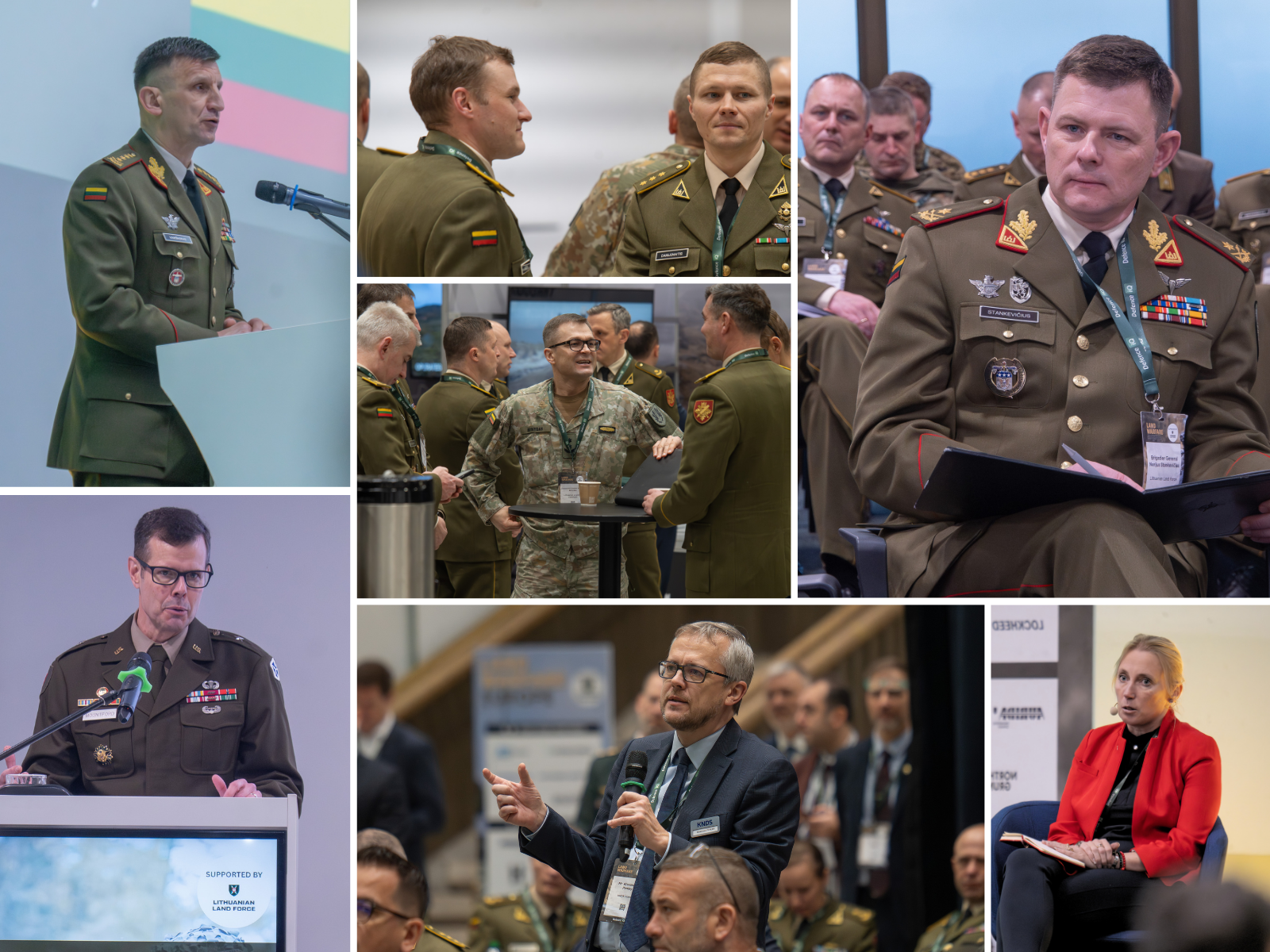
It's in this capacity that Land Warfare Europe returns this November, in official partnership with the Lithuanian Army at the epicentre of NATO's Eastern Flank. Through three dedicated streams focused on how forces sense, command and target threats; deliver integrated fires and land force protection; and enhance manoeuvre, survivability and sustainment, the conference will examine the capabilities, technologies and lessons shaping the future of warfare across Eastern Europe.
We will be uniting national armies, NATO commands and agencies, and industry across Eastern Europe over two days of presentations, interactive discussions, and networking.
2026 Speaker Snapshot
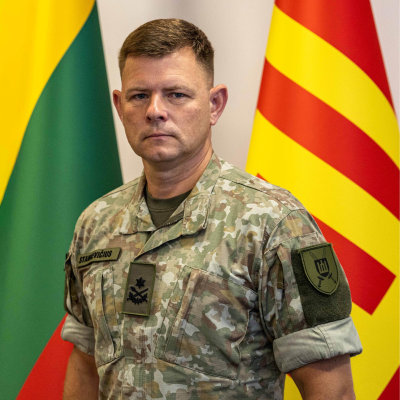
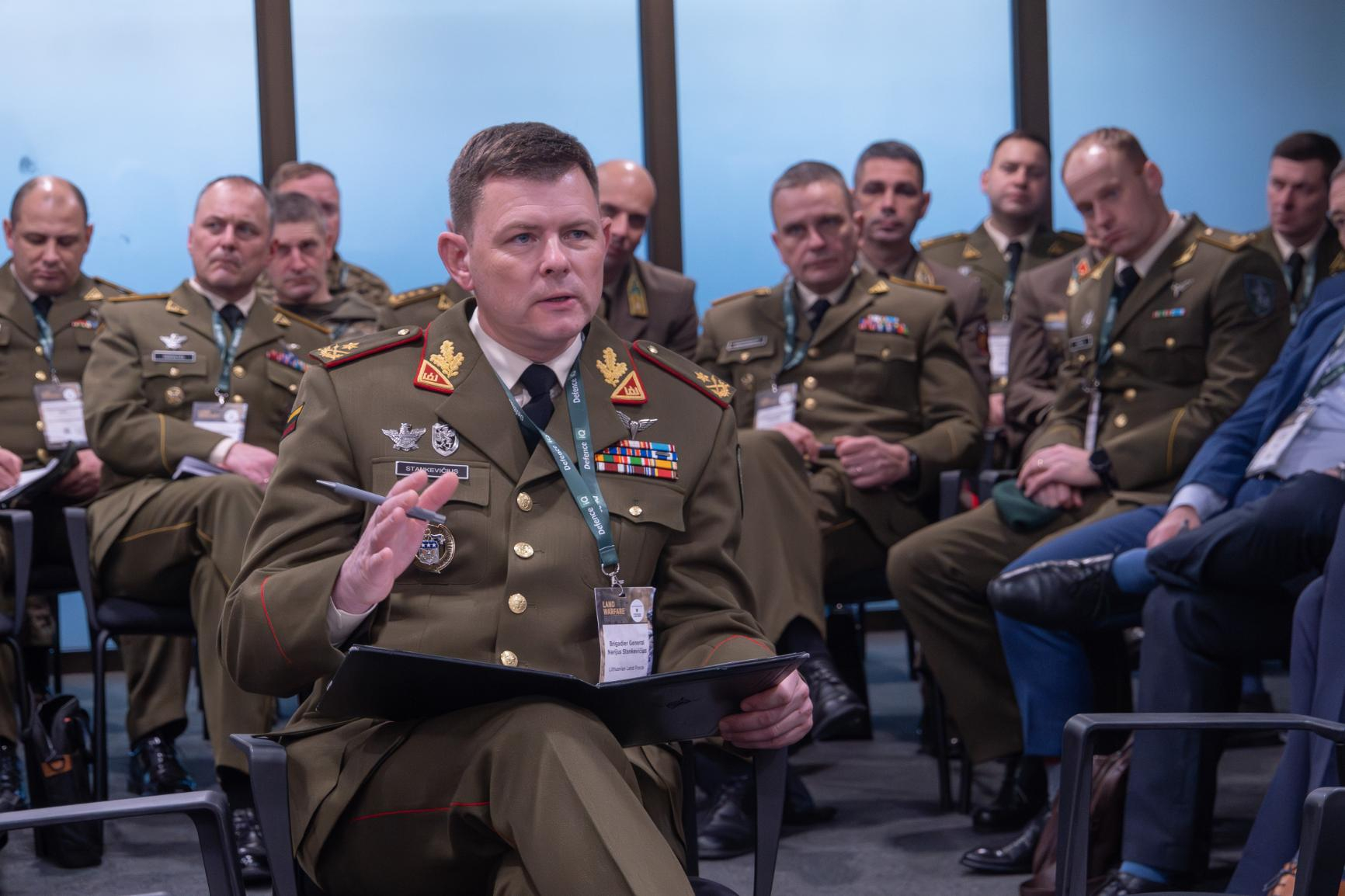
Brigadier General Nerijus Stankevičius
Chief
Lithuanian Army
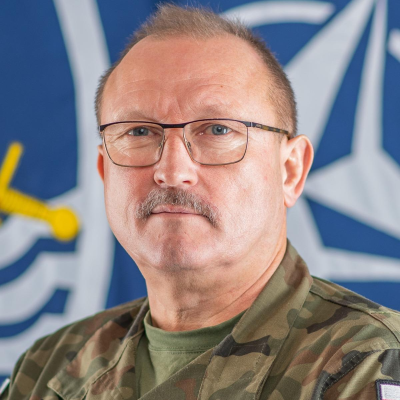
Lieutenant General Dariusz Parylak
Commander
NATO Multinational Corps Northeast
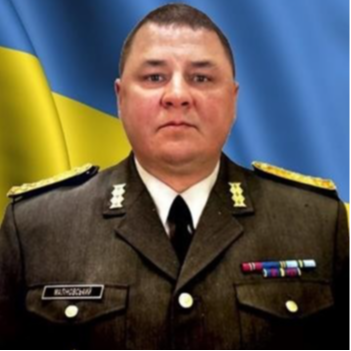
Major General Andrii Malinovskyi
Chief of Artillery
Armed Forces of Ukraine
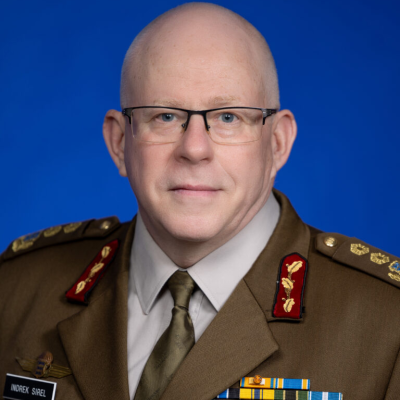
Major General Indrek Sirel
Estonian Division Commander
Estonian Land Forces
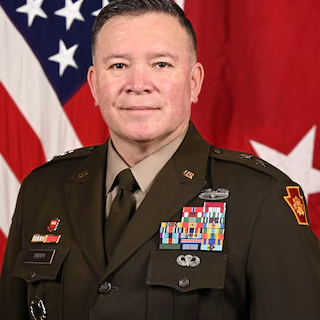
Major General John Pippy
Commander
Pennsylvania Army National Guard
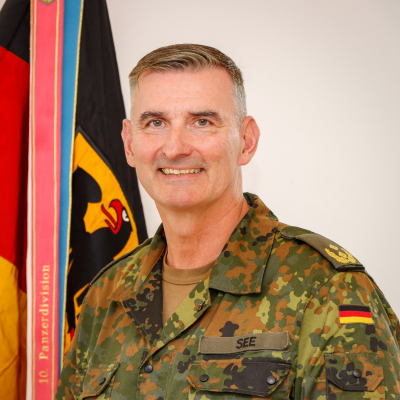
Major General Jörg See
Commander
Bundeswehr 10th Panzer Division
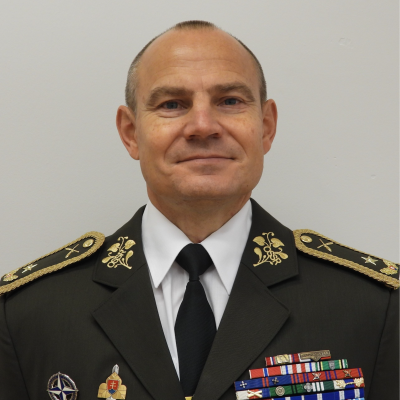
Major General Štefan Acsai
Commander
Ground Forces of Slovak Republic
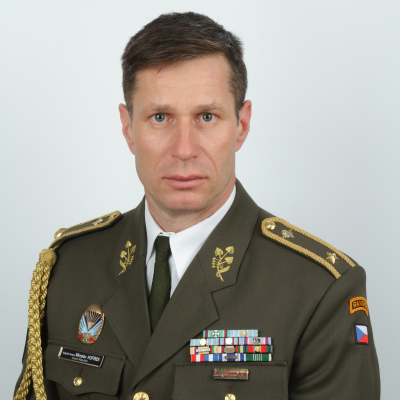
Brigadier General Miroslav Hofírek
Deputy Commander
Czech Land Forces
exclusive Interview
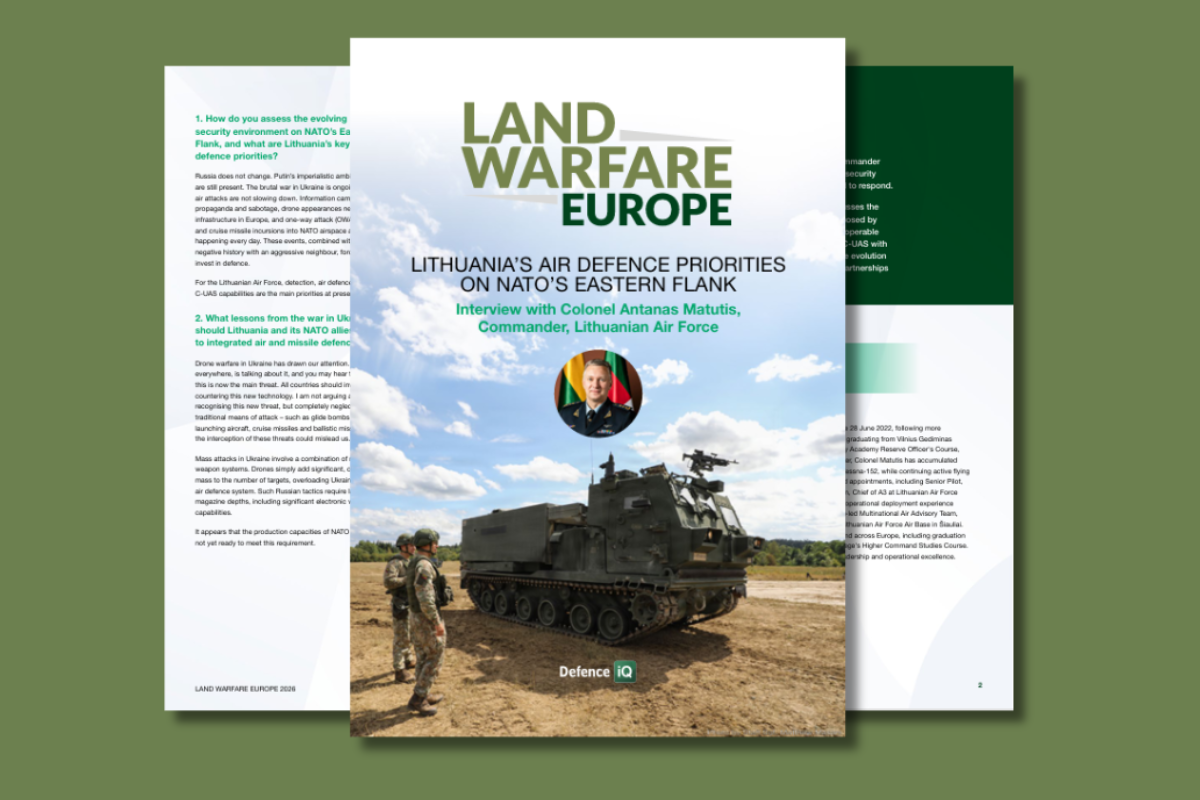
Lithuania's Air Defence Priorities on Nato's Eastern Flank
Interview with Colonel Antanas Matutis, Commander, Lithuanian Air Force
Ahead of Land Warfare Europe 2026, Colonel Antanas Matutis, Commander of the Lithuanian Air Force, shares his perspective on the evolving security environment on NATO's Eastern Flank and the capabilities required to respond.
Drawing on Lithuania's frontline perspective, Colonel Matutis discusses the lessons emerging from the war in Ukraine, the growing challenge posed by mass drone and missile attacks, the need for faster and more interoperable command-and-control systems, and the importance of balancing C-UAS with short-, medium- and long-range air defence. He also reflects on the evolution of NATO's regional air defence posture and the technologies and partnerships that will shape the future of the Lithuanian Air Force.
Why Attend Land Warfare Europe 2026?
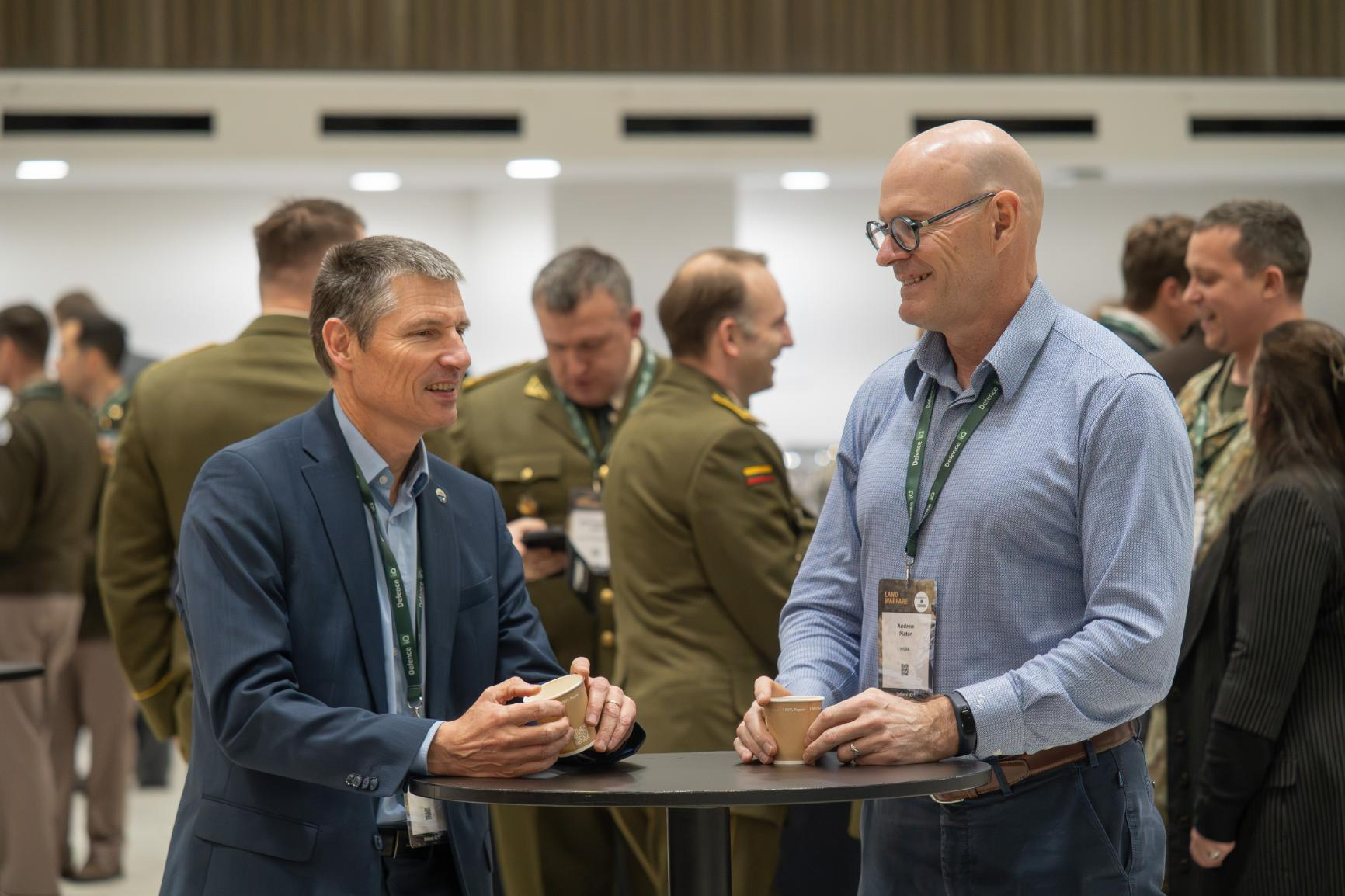
Explore Insights on Integrated Land Capability
Learn how to integrate land capability to better sense, command, strike, protect, manoeuvre, survive and sustain faster than the enemy, strengthening your Eastern Flank defensive posture
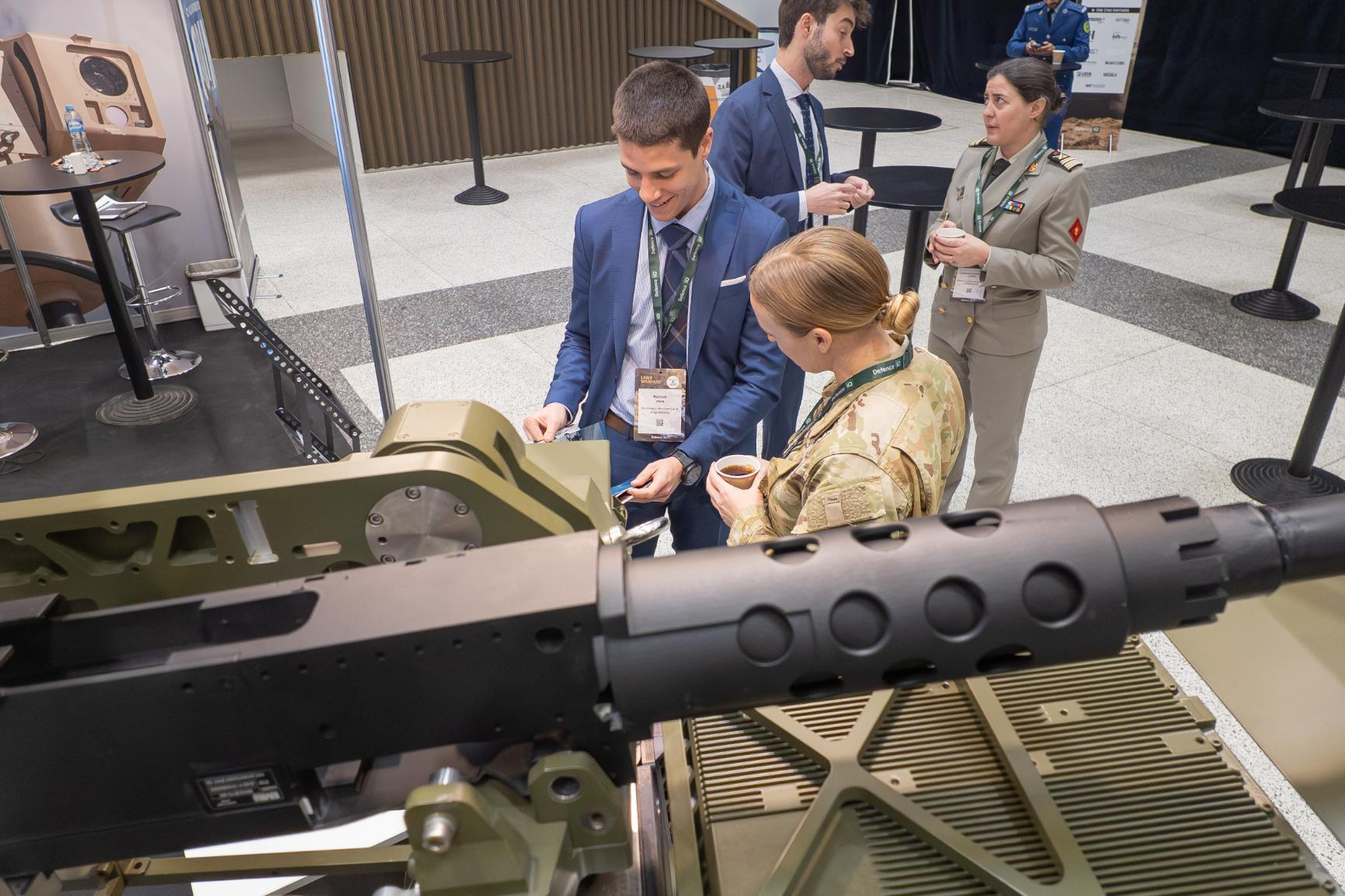
Discuss Future Force Plans
Hear about current capability gaps and requirements across Eastern Europe - led by the Lithuanian Army - including programme updates and procurement priorities
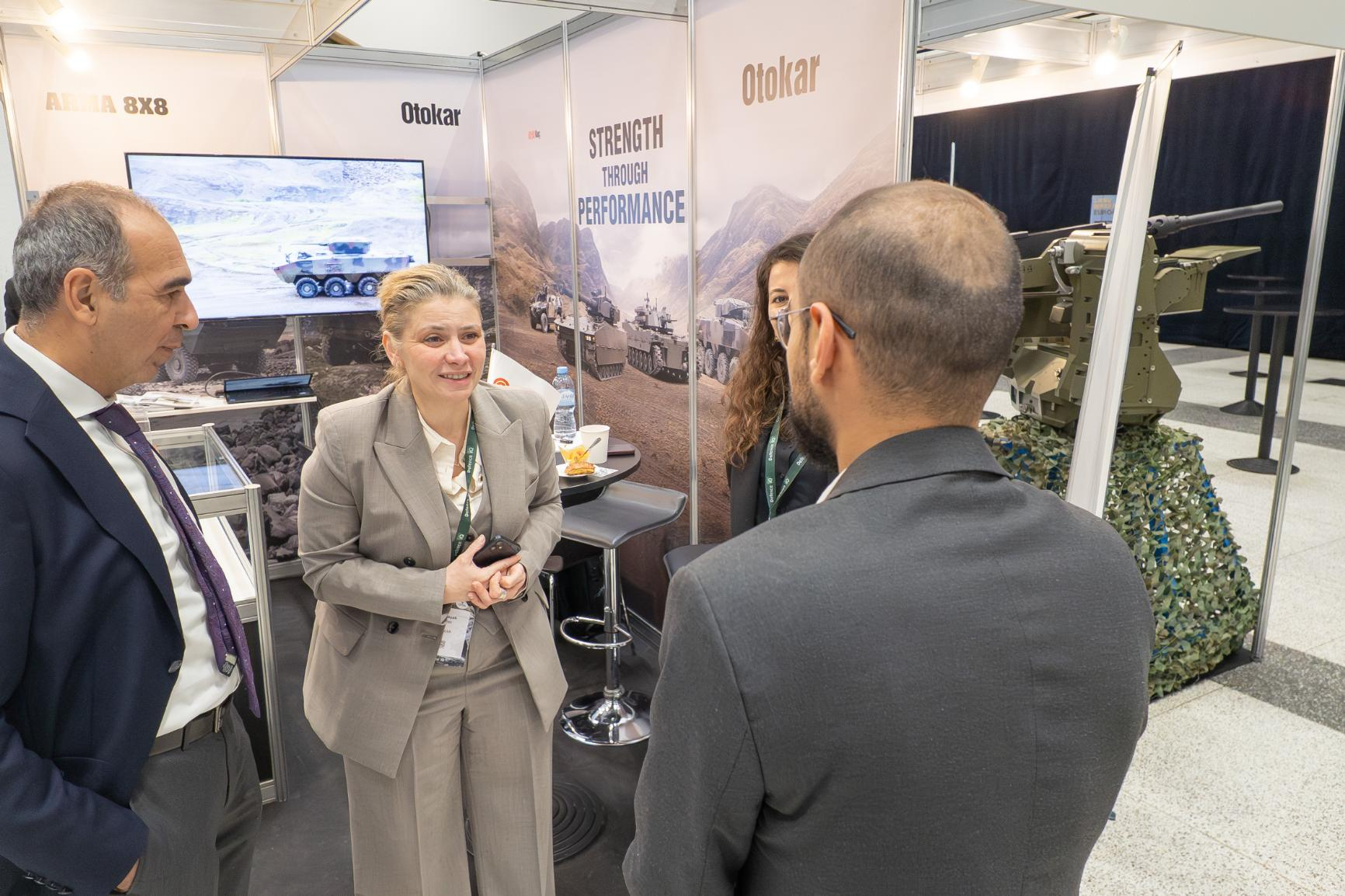
Build Key Relationships
Connect with only the most regionally relevant strategic and operational leaders from mechanised and fires units across the Baltics and wider Eastern Europe, fostering relationships with those who hold the power to make purchasing decisions
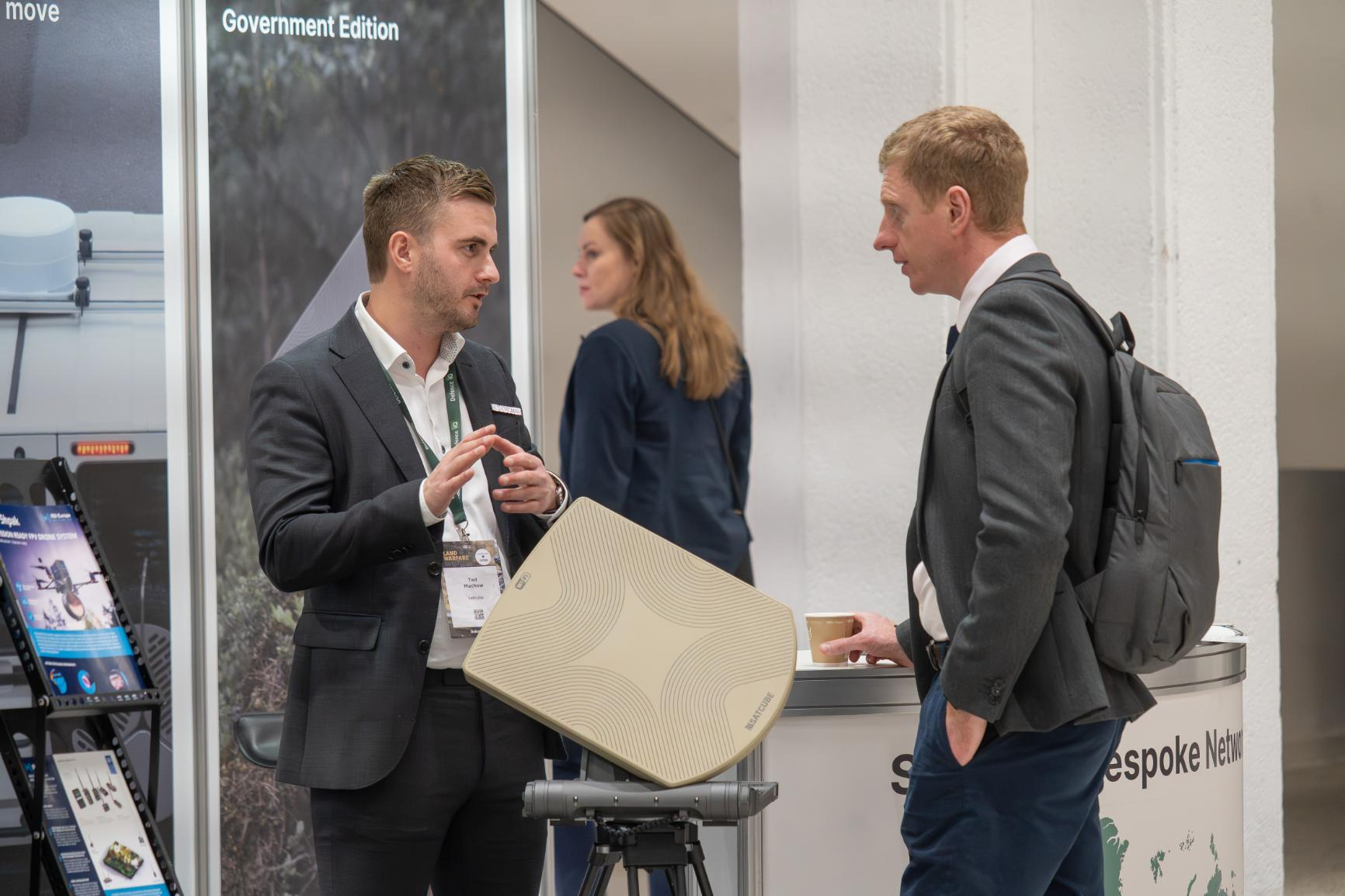
Follow New Standards Set for Modern Combat
Draw on lessons from Ukraine to follow new standards set for cost-effective air defence, UGVs, armored capability, and unified ground control to ensure preparedness
Become A Sponsor
Sponsorship and Exhibition Opportunities
Sponsorship is the most effective solution to share your company’s idea to national NATO armies and land forces, government and industry stakeholders looking for solutions to their pressing land warfare challenges.
Our audience are looking for the following products and solutions:
- Air Defence Solutions
- Armoured Vehicles
- Data Fusion/Integration
- Artillery Weapons and Ammunitions
- C-UAS
- Radars and Sensor Technologies
- Electronic Warfare
- UGVs
Land Warfare Europe convenes the military, government and industry leaders responsible for modernising Europe’s land forces. The programme focuses on operational requirements, capability development and procurement priorities, giving participants a clearer view of where land forces are investing and where industry can support.
Testimonials
A Word From our Attendees







Media Partners




In Partnership With:

QUESTIONS?
Address: IQPC Ltd, 129 Wilton Road,
London SW1V 1JZ
Telephone: +44 (0) 113 210 042
Fax: 44 (0) 207 368 9301
Email: enquire@iqpc.co.uk

©2026 IQPC. All rights reserved.