Content Library

Full Spectrum Air Defence Week 2026 Agenda
Held from 23–25 June 2026 in London, the 2026 agenda provides an overview of the discussions, capability priorities, and operational challenges explored by the global air and missile defence community.While planning for Full Spectrum Air ...
New Content

Procurement, Budget & Delivery Challenges and Market Opportunities
Rising demand for air and missile defence is clear - but so too are the constraints shaping delivery. Budget pressures, limited industrial capacity, and the complexity of integrating legacy and next-generation systems are forcing governments to prioritise scalable, interoperable solutions that deliver immediate operational value while supporting long-term capability growth. Download the Procurement, Budget & Delivery Challenges and Market Opportunities report to find out more. Please refer to the official Air and Missile Defence (AMD) Systems Market Report 2026–2030: NATO Members and Allies for the full report.
C-UAS Trends
The counter UAS market across the countries covered is forecast to grow from about US$1.7 billion in 2026 to roughly US$2.1 billion in 2030, implying a cumulative spend of almost US$9.8 billion and a CAGR of around 5.7%. Find out more by downloading out C-UAS Trends report. Please refer to the official Air and Missile Defence (AMD) Systems Market Report 2026–2030: NATO Members and Allies for the full report.
Hypersonic and Ballistic Missile Defence (Land & Sea) Trends
The market for hypersonic and ballistic missile defence systems is expected to grow from US$16.6 billion in 2026 to US$20.8 billion in 2030, at a CAGR of 5.8%. Download the report today to find out more. Please refer to the official Air and Missile Defence (AMD) Systems Market Report 2026–2030: NATO Members and Allies for the full report.
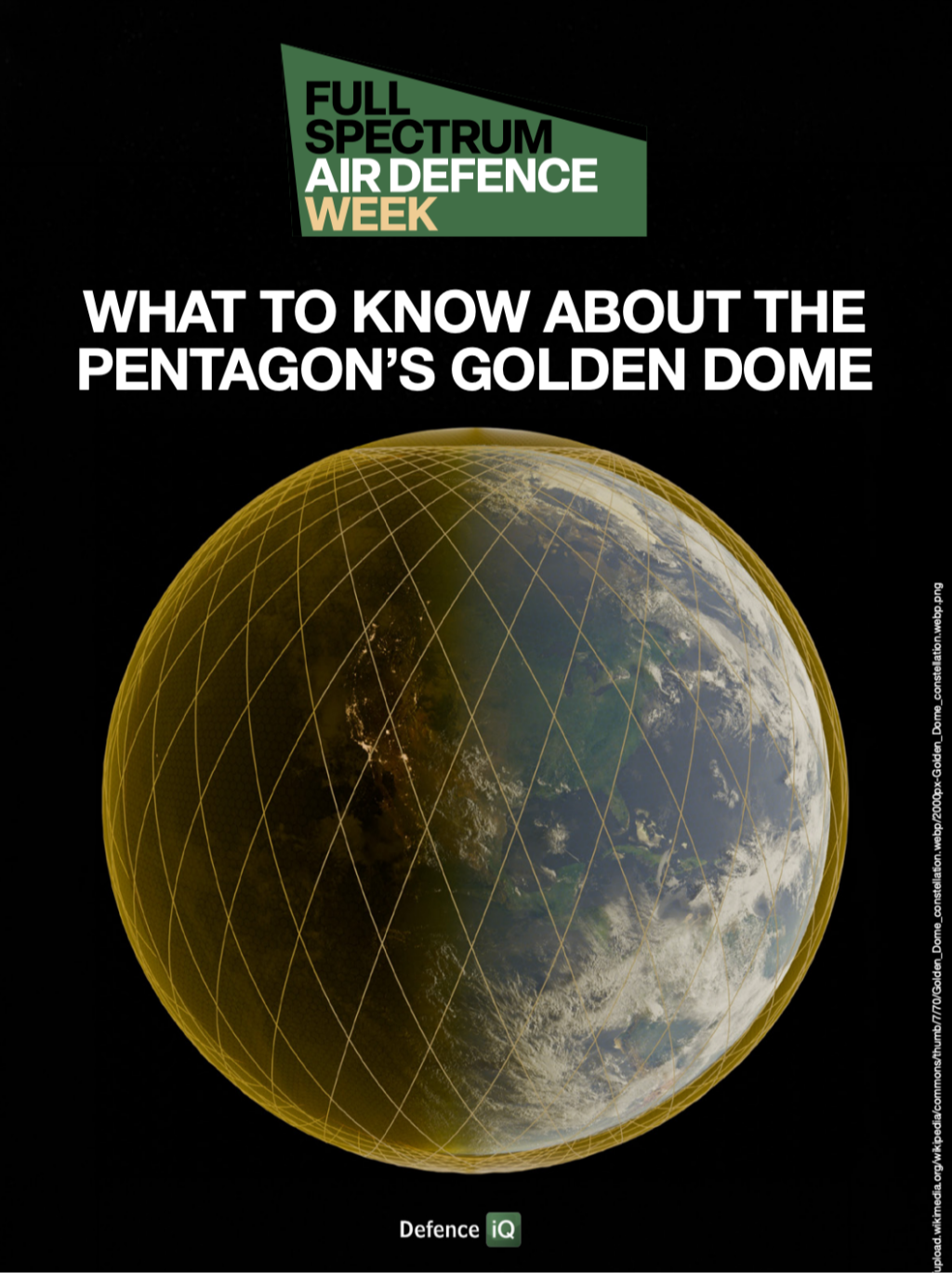
What to Know About the Pentagon's Golden Dome
The Pentagon’s so-called Golden Dome refers to a proposed, next-generation missile defence concept designed to protect the United States from advanced aerial and missile threats. Still largely conceptual, the idea centres on creating a layered, integrated shield that combines existing missile defence systems with new technologies, including space-based sensors and interceptors, to detect and neutralise threats at every stage of flight. To find out more, download our latest piece covering everything you need to know.
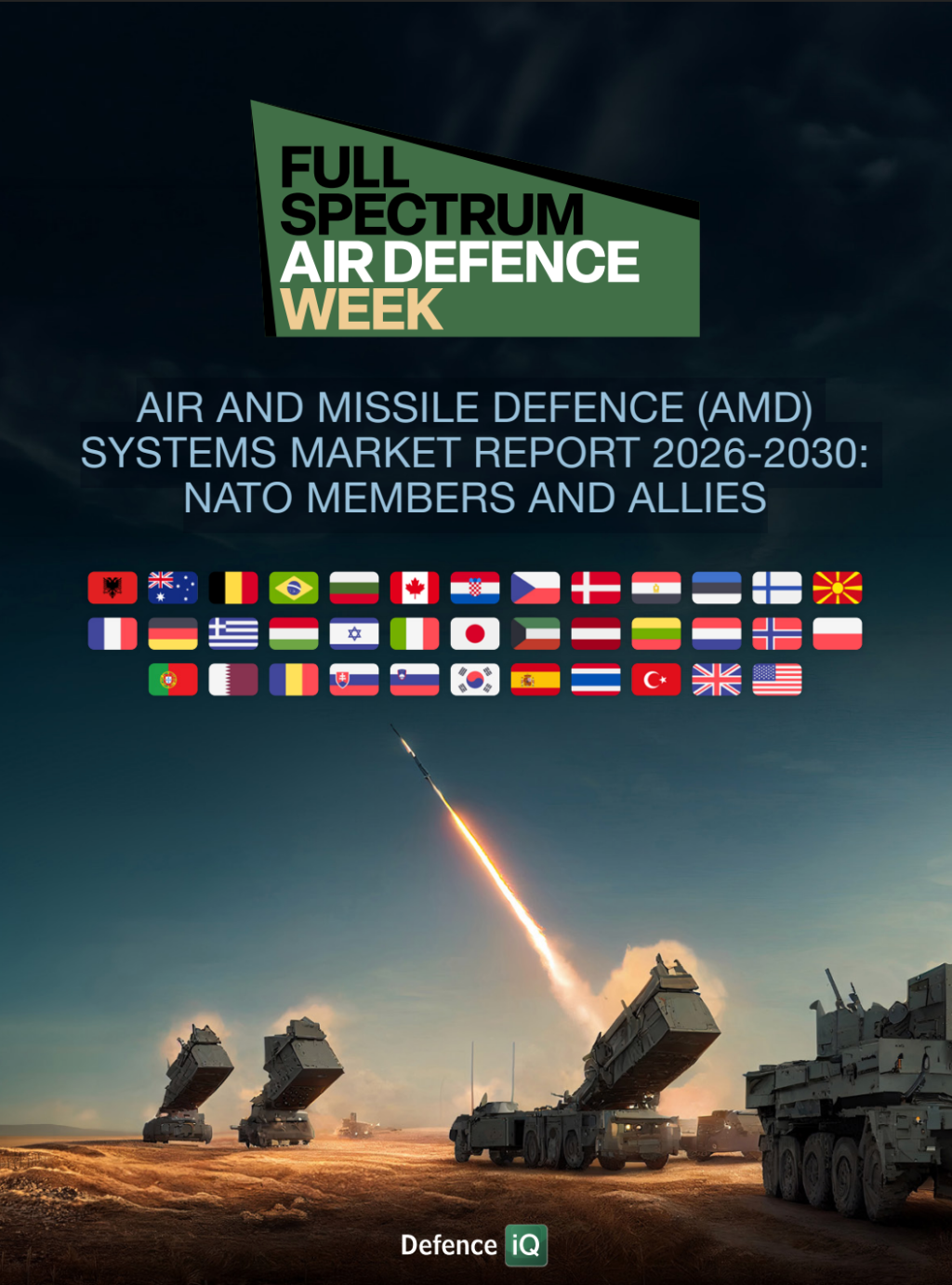
Air and Missile Defence (AMD) Systems Market Report 2026-2030: NATO Members and Allies
Defence iQ's latest Full Spectrum Market report provides an overview of the air and missile defence landscape across NATO member states and allied nations between 2026 and 2030. It examines key procurement programmes, capability priorities, and emerging technologies shaping the development of integrated air and missile defence systems. The report highlights current and planned investments, identifies leading industry players, and outlines how evolving threat environments are influencing defence spending and capability development across allied forces. Download it today!
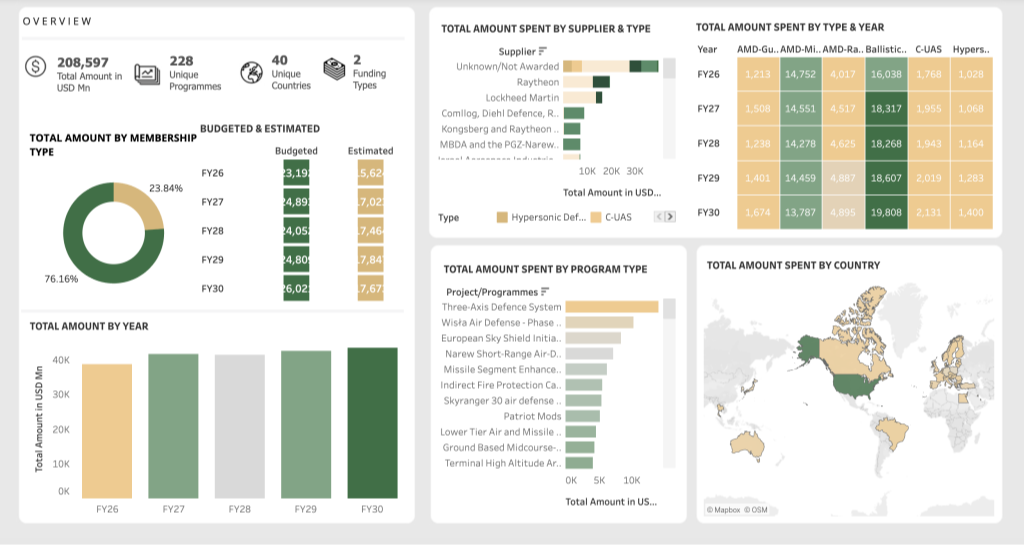
Full Spectrum Air Defence Interactive Market Report
Ahead of the Full Spectrum Air Defence 2026 conference, the Interactive Market Report provides a data-led snapshot of the current integrated air and missile defence (IAMD) landscape. Designed to support informed discussions in the lead-up to the event, the report maps programme priorities, budget allocations, capability gaps, and emerging technology trends across key regions. Drawing on defence procurement data, recent operational lessons, and insights from senior military stakeholders, the report highlights where investment is accelerating, particularly in counter-UAS, layered air defence architectures, sensor integration, and next-generation effectors. Users can explore the findings dynamically, filter by region or capability area, and benchmark national approaches against broader allied trends. The objective is clear: to equip attendees with a shared understanding of the market environment before arriving on-site in summer 2026, enabling more targeted networking, strategic alignment, and commercially focused dialogue.

Controlling the Air Littoral: Spain's Counter-Uas Priorities in a Transparent Battlespace
In this in-depth interview, Colonel Rómulo García offers a frontline commander’s perspective on how unmanned aerial systems, loitering munitions, and low-cost saturation attacks are reshaping modern warfare. Drawing on operational deployments, multinational штаб experience, and Spain’s evolving doctrine, he outlines why counter-UAS must now be treated as a joint, multi-domain, and fully integrated capability within NATO IAMD architectures. From layered defence networks and sensor-to-shooter timelines to the balance of kinetic and non-kinetic effects in congested environments, this discussion captures the real-world challenges shaping air defence today.
Additional Resources
Air Defence in the Spectrum Age: Dr Thomas Withington on Radar, EW and Ukraine
Modern air defence is no longer defined by platforms alone, but by the ability to sense, connect, and act across the electromagnetic spectrum. Ahead of Full Spectrum Air Defence Week 2026, Dr Thomas Withington shares his perspective on the evolving role of radar, electronic warfare, and C2 in highly contested environments, offering timely insights shaped by recent experience in Ukraine and long-term engagement with the air defence community.
Brave1's Role in Ukraine's Defence Tech Evolution
In the rapidly evolving landscape of defence technology, Brave1 stands at the forefront, driving innovation and ensuring Ukraine’s technological superiority on the battlefield. In this exclusive interview with Chief Operating Officer, Nataliia Kushnerska, we gain insights into Brave1’s mission, key priorities, and the strategies that have positioned the organisation as a critical player in Ukraine’s defence tech ecosystem.
COO of Brave1, Nataliia Kushnerska took to the stage at Full Spectrum Air Defence Week 2025 to discuss countering the drone threat in Ukraine with limited resources:
- Establishing a C-UAS advantage against adversaries at a time of resource scarcity
- Brave1 rapid development process for countering reconnaissance drones
- Future strategies for anti-drone swarm capabilities, and required industry support to develop rapid solutions and technologies
>> View the full interview now
Sweden’s Air Defence Priorities and the Future of GBAD
Discover the latest insights into Sweden's air defence in our exclusive interview with Colonel Johan Jönsson, Commander, Air Defense Regiment, Swedish Armed Forces.
Event Information
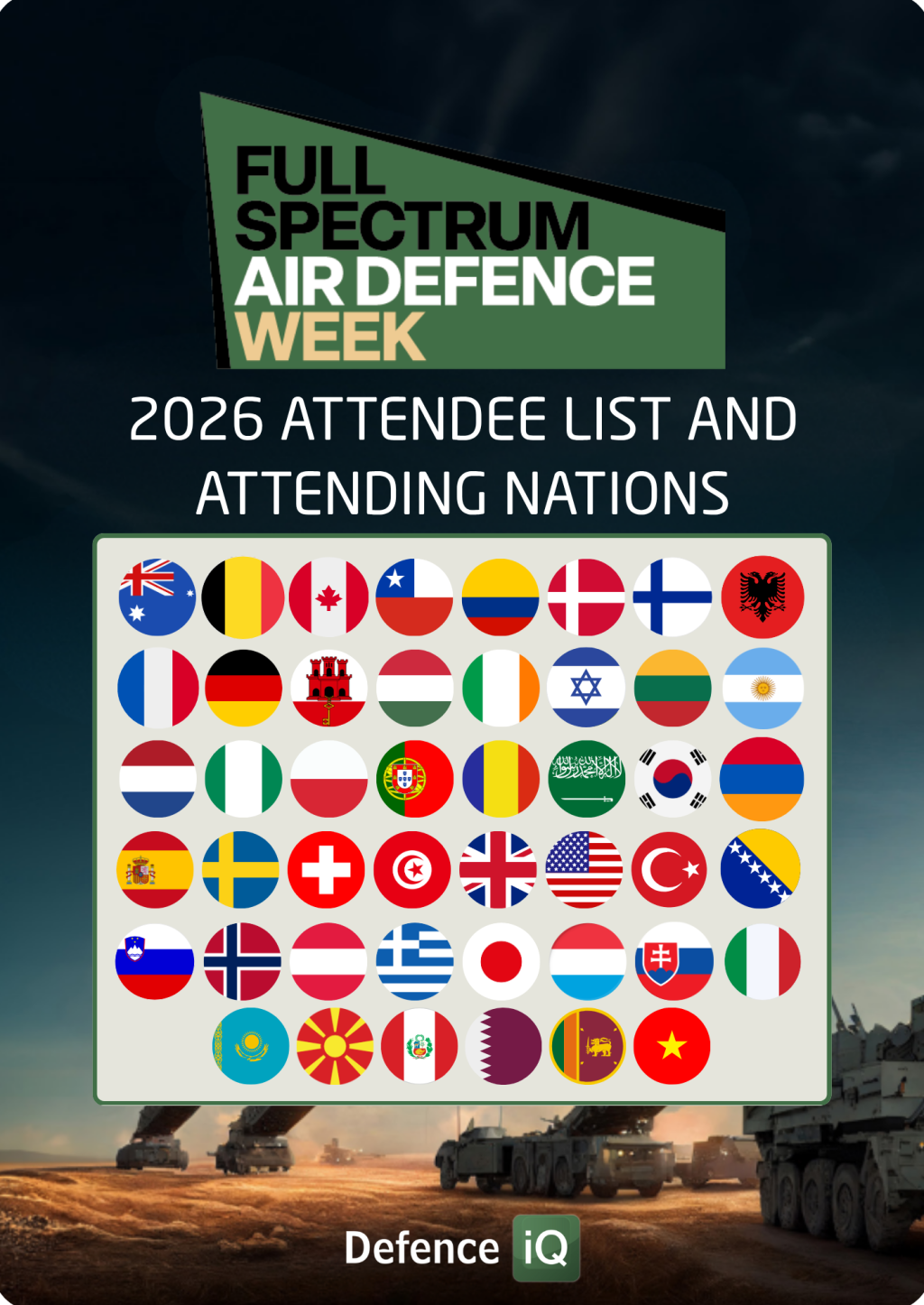
Full Spectrum Air Defence Week 2026 | Attendee List
As preparations begin for Full Spectrum Air Defence Week 2027, the 2026 attendee list offers a snapshot of the senior military leaders, government representatives, industry experts, and international delegations who attended the event.
Explore the organisations and nations represented at the 2026 conference to gain insight into the calibre of audience and connections that make Full Spectrum Air Defence Week a leading meeting place for the global air and missile defence community.
Partnership Information

Attendee Snapshot for Partners
Understanding who attends Full Spectrum Air Defence Week is key to evaluating the opportunities available at the event. Our 2026 Early Attendee List highlights the military commands, government organisations, procurement authorities, and industry representatives who registered ahead of the conference.
As we prepare for the 2027 edition, this resource provides an early indication of the types of organisations and decision-makers that engage with Full Spectrum Air Defence Week, helping prospective partners assess how the event aligns with their business development and engagement objectives.

Full Spectrum Air Defence Week Partnership Prospectus
Full Spectrum Air Defence Week has established itself as a meeting place for senior military leaders, procurement authorities, programme teams, and industry innovators from across the international air and missile defence community.
The 2026 Partnership Prospectus provides an overview of the sponsorship, exhibition, speaking, and networking opportunities previously available at the event, offering a useful guide to the scale and range of engagement opportunities expected for the 2027 edition.

2026 Agenda | Full Spectrum Air Defence Week
As planning for Full Spectrum Air Defence Week 2027 gets underway, the 2026 agenda provides valuable insight into the calibre of military speakers, strategic discussions, and capability priorities that have made the event a leading meeting place for the global air and missile defence community. Explore the breadth of topics covered across Integrated Air and Missile Defence (IAMD), including counter-UAS, hypersonic and ballistic missile defence, directed energy, radar, command and control, and multi-layered air defence.
Download the agenda to see the scale of the conference and discover the opportunities available to engage with senior military decision-makers and industry leaders.
In Partnership With:

QUESTIONS?
Address: IQPC Ltd, 129 Wilton Road,
London SW1V 1JZ
Telephone: +44 (0) 113 210 042
Fax: 44 (0) 207 368 9301
Email: enquire@iqpc.co.uk

©2026 IQPC. All rights reserved.