Rheinmetall's successful FICAPS test highlights advantages of interoperability
Posted: 09/14/2012 12:00:00 AM EDT | 1
|

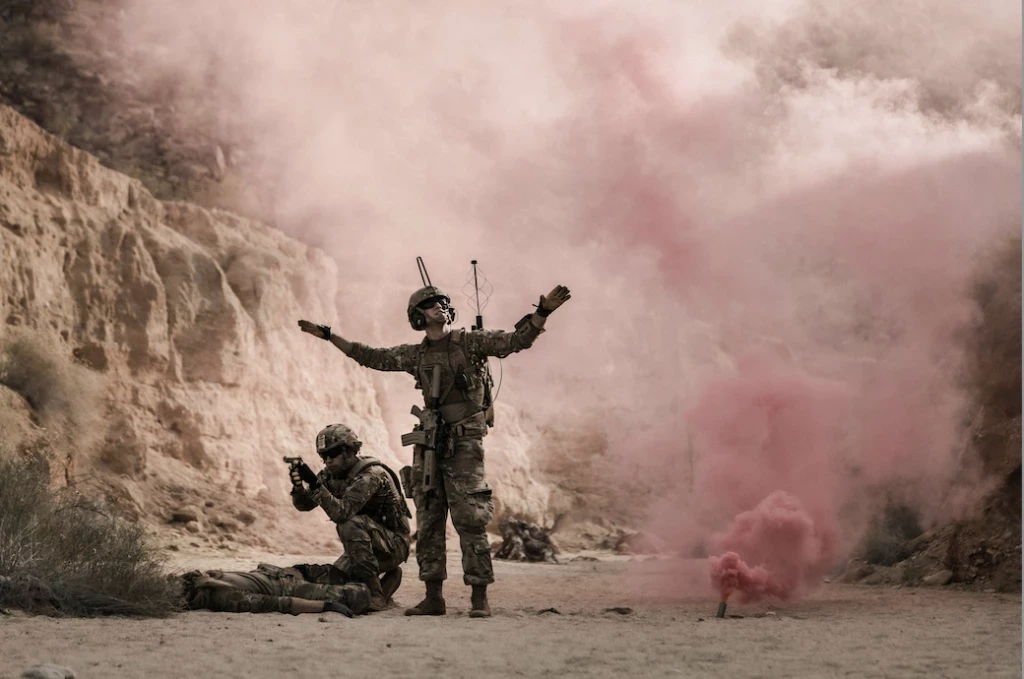
Photo: Rheinmetall / Interoperability in Action - Rheinmetall successfully demonstrates camp protection system integration using RTI middleware
As part of on-going research to increase the interoperability of military forces and defence technologies, the European Defence Agency’s (EDA) Future Interoperability of Camp Protection Systems (FICAPS) project is looking to show how multi-national allies can share information in real-time.
After the success of its most recent test, which saw Rheinmetall Defence Electronics GmbH demonstrate interoperability between independently developed camp protection systems assisted by Connext™ DDS, a data-centric messaging software from Real-Time Innovations (RTI), the EDA project looks to be gaining momentum.
“RTI’s fundamental understanding of interoperability and how to achieve it was of great benefit to our FICAPS development,” said Karl-Hermann Stahl, Rheinmetall’s FICAPS Project Manager.
Interoperability advancements are beginning to change the R&D landscape for military technologies and, as such, look set to revolutionise defence procurement in the future.
“Interoperability is at the heart of many of tomorrow’s defence system procurements and Rheinmetall’s proven capability with this project puts us at the forefront of future market opportunities,” Stahl explained.
Stan Schneider, CEO of RTI, explained that while there are hurdles to overcome, he is confident that the technology is moving in the right direction:
“Achieving interoperability between independently developed systems is hard. Add in the multi-nation context that EDA demands and you have raised the bar incredibly high."
"Rheinmetall has demonstrated a critical step forward in delivering agile operational capability for collaborative multi-nation military deployments.”
What do you think about interoperability? How close are we getting to a workable interoperable open architecture? Share your views and comments with us or get in touch to find out more at haveyoursay@defenceiq.com
-
Work to make Assad a leader without an army -
Stop international aid, boost defence spending says former MoD minister -
40 reasons why social media benefits the defence industry -
U.S.-Indonesia relations fortified with Apache helicopter deal -
Lockheed Martin-led team's second Littoral Combat Ship commissioned today by U.S. Navy -
What will BAE's merger with EADS mean for UK defence? -
Rheinmetall's successful FICAPS test highlights advantages of interoperability -
Beware of Taliban bearing gifts -
5 statements from President Dilma Rousseff on modernisation of Brazilian Armed Forces -
Upgrading and refitting in Eastern Europe
* = required.
|
|
Last year when we put together the first conference on Interoperable Open Architecture, we struggled to find 4 programs of record that were using this approach. This year we found 8. I bet when we start producing the conference next year there will be 20. This is snowballing! Heads of procurement now clearly see this approach as the only way they can deliver tremendous cost-savings upfront and continue to save throughout the life of the procurement. Not only that, they know they can drastically reduce the time to insert fresh technology and integrate new capabilities at a fraction of the cost. And they can do all this during their own tenure -- not 20 years down the road. Its a career-booster like no other. And as for industry, well, the sooner they knuckle down and realise what this means and move quickly to take advantage of this huge shift, they can avoid future balance sheets drowning in red ink.
|


Replies (0)
Not a member? Sign Up
Reasons for Joining
Address your challenges through knowledge sharing with peers from our global network of specialists.
Benchmark your business initiatives with the who's who in the field.
Hear from industry pioneers how to maximize ROI in today's challenging economy.
And best of all It's FREE!